
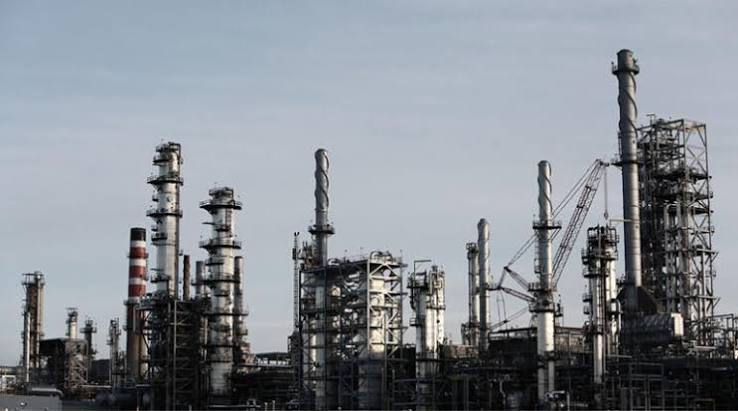
Glacial Acetic Acid (99,8%) - China CAS: 64-19-7
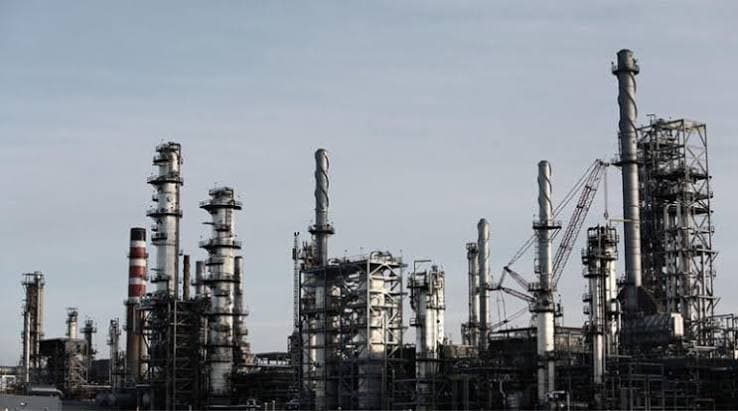
Glacial Acetic Acid (99,8%) - China CAS: 64-19-7
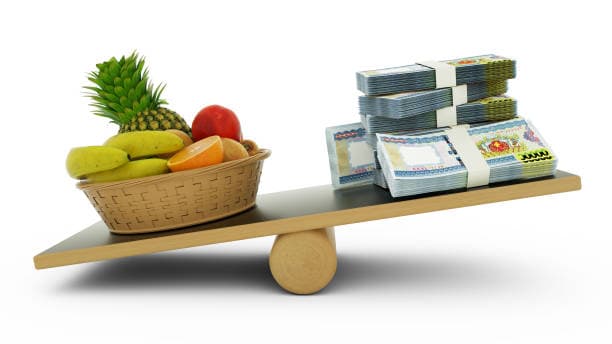
Indian chemical exporters are recalibrating strategies as the rupee weakens. Lower currency value boosts price competitiveness abroad but tightens margins on imported inputs. Logistics and procurement economics now shift to new cost structures.

India's proposed anti-dumping duties on selected US chemical shipments and duty-free treatment for domestic polyurethane raw materials could reshape regional food-contact packaging costs. Procurement teams should assess supplier strategies and raw material exposure before pricing changes reach downstream markets.
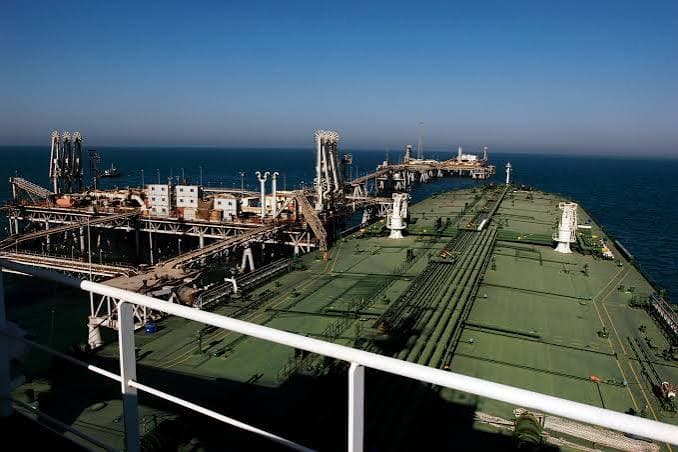
Iran’s proposal to charge “service fees” for Hormuz passage could permanently reshape the economics of global chemical trade. If transit charges become permanent, Gulf-origin chemical supply chains may face $500 million to $1.5 billion in additional annual costs that buyers will ultimately absorb through higher contract pricing.
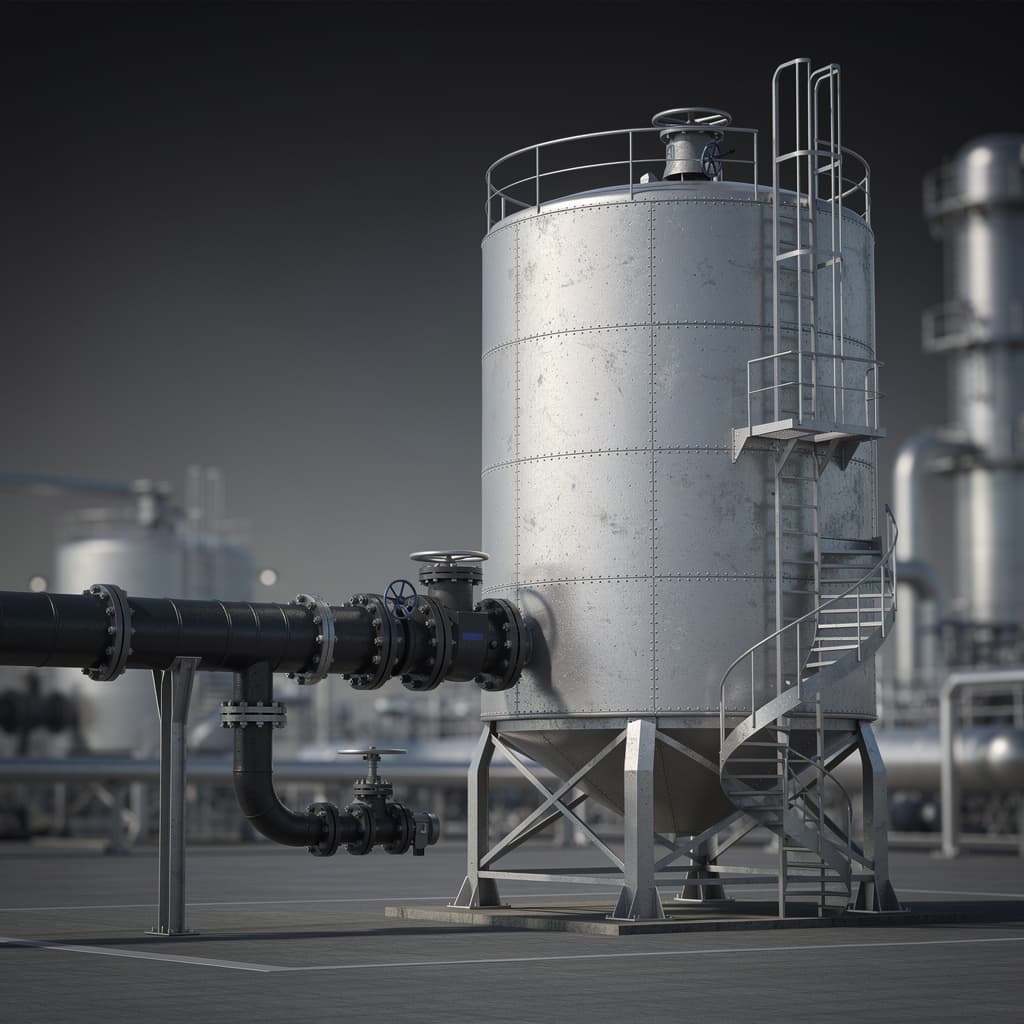
Brent crude has fallen below its pre-conflict level, creating a potential cost reset for chemical feedstocks. This analysis explains how lower crude prices may influence naphtha, olefins and commodity chemical pricing in Q3 2026.
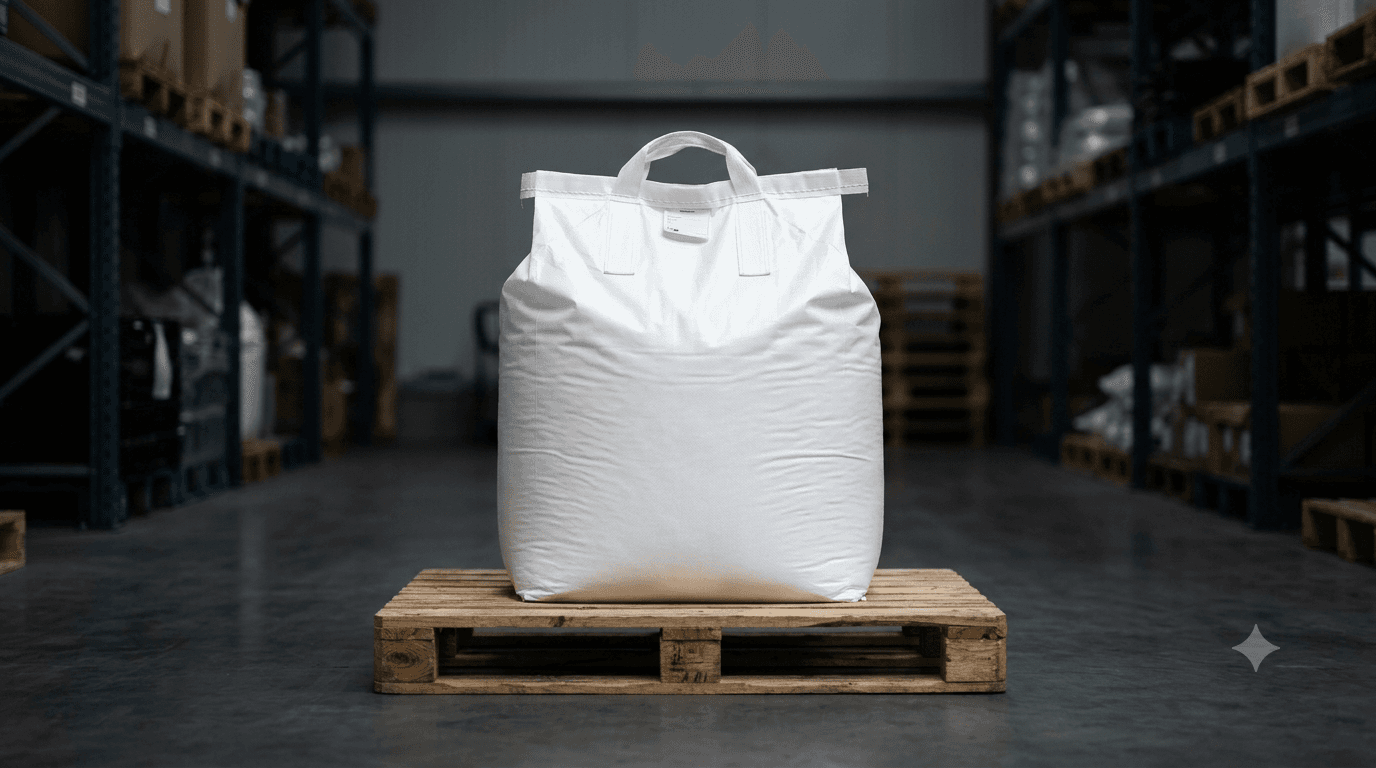
In H2 2026, China’s sucralose production remains robust while freight costs ease, giving buyers a strategic edge. Companies can leverage these trends to negotiate more favorable contracts and secure long‑term supply of food sweeteners.
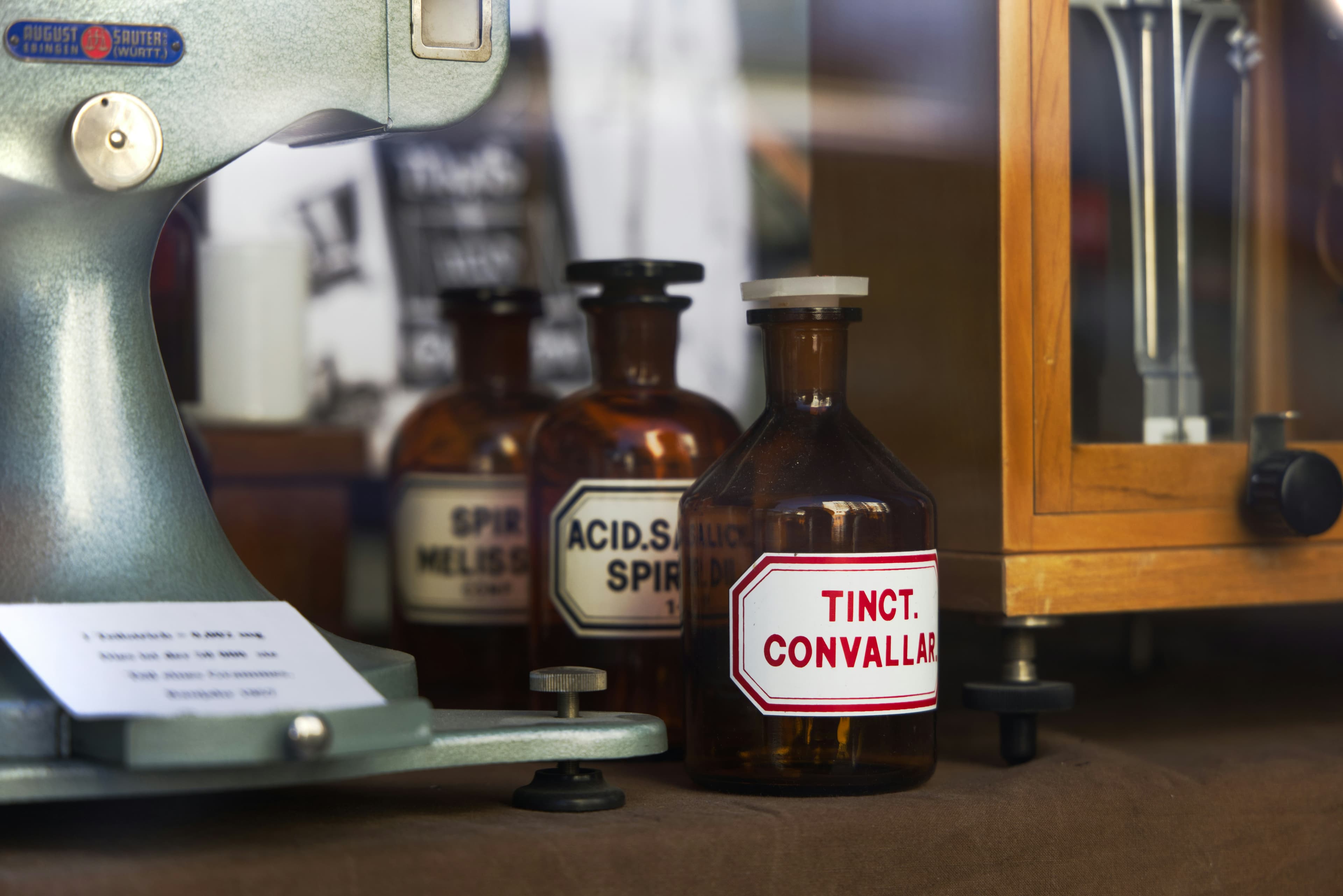
Architectural and industrial coatings manufacturers have been absorbing elevated raw material costs throughout H1 2026.
We're committed to your privacy. Tradeasia uses the information you provide to us to contact you about our relevant content, products, and services. For more information, check out our privacy policy.