
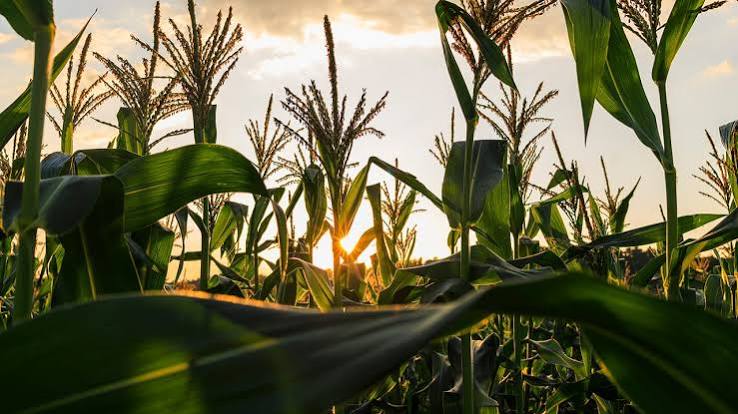
Corn Gluten Feed CAS: 66071-96-3

Corn Gluten Feed CAS: 66071-96-3

For the first time in decades, freight costs, insurance premiums and maritime disruptions have eclipsed production economics in shaping global fertilizer prices. This shift signals a new era where logistics economics dictate market dynamics more than crop demand or input costs.
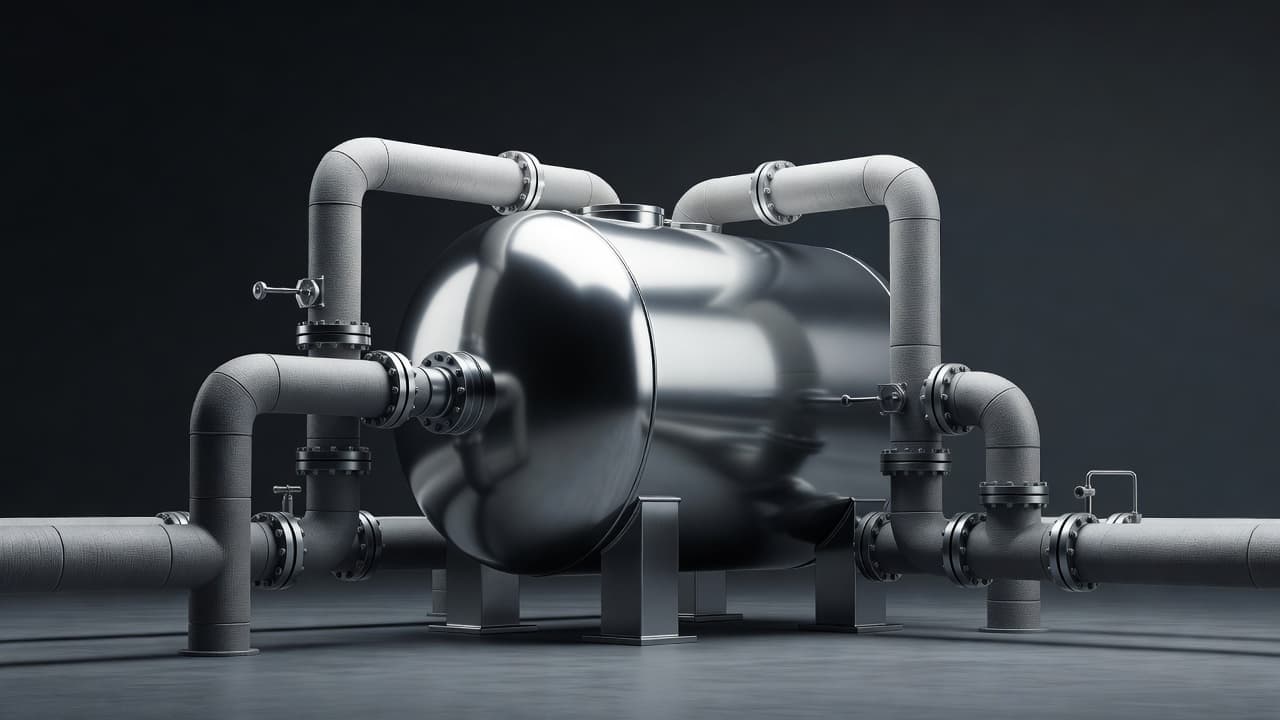
Ethylene oxide prices stabilized through the remainder of June 2026 after a sharp decline earlier in the month. Procurement teams should examine whether this period of stability signals a temporary market pause or a shift toward more balanced petrochemical conditions.
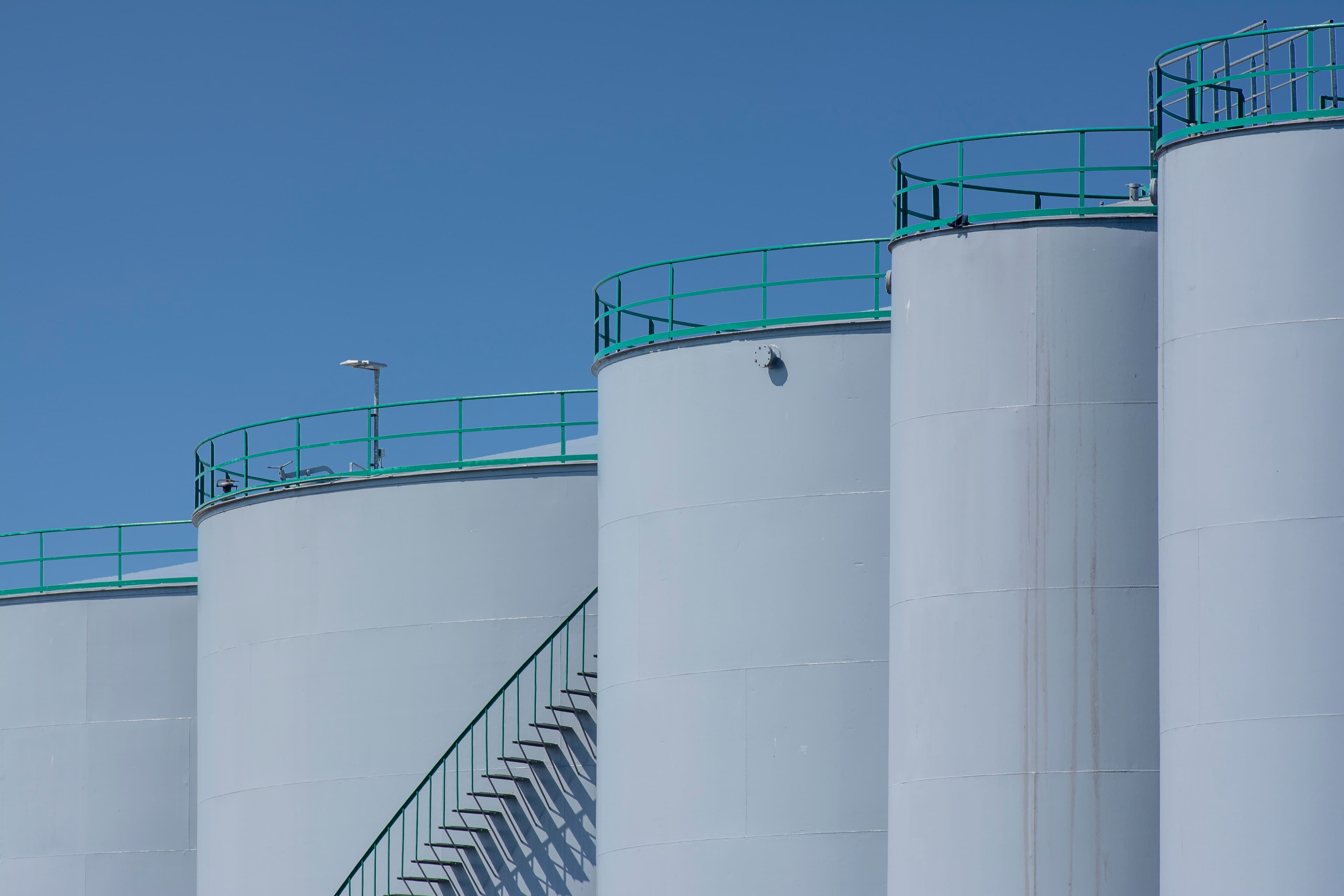
Caustic soda and soda ash markets closed H1 2026 with more stable conditions compared with several crisis-affected chemical segments. Buyers can use current trends as a reference point for H2 procurement planning and cost assessments.

Chinese citric acid producers close H1 2026 having maintained stable domestic FOB pricing throughout the crisis

In H2 2026, China’s sucralose production remains robust while freight costs ease, giving buyers a strategic edge. Companies can leverage these trends to negotiate more favorable contracts and secure long‑term supply of food sweeteners.

USDA crop condition reports are providing the first meaningful indicators for second-half food ingredient pricing. With US corn conditions tracking near historical trend levels and freight costs beginning to ease, the outlook for starch, glucose and derivative ingredients appears more stable than many buyers expected earlier this year.
We're committed to your privacy. Tradeasia uses the information you provide to us to contact you about our relevant content, products, and services. For more information, check out our privacy policy.