
Aluminium Sulfate CAS: 7784-31-8
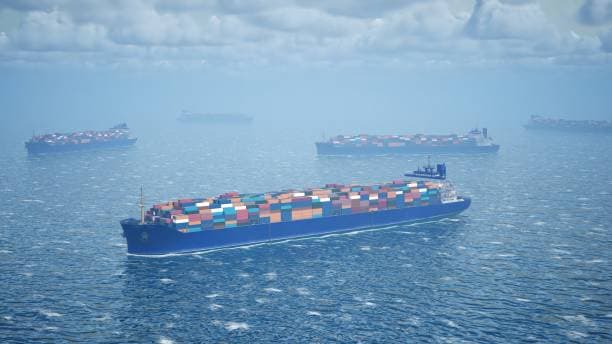
Approximately 6,000 seafarers are trapped in the Gulf as vessel movements through the Strait of Hormuz fall below normal levels. This bottleneck is not only an operational headache for shipping lines but also a humanitarian crisis and a threat to the chemical supply chain that fuels global commerce. The article explores the ripple effects across maritime logistics, crew welfare, and chemical transport.

The withdrawal of P&I insurance during the earlier Hormuz disruption sparked discussion about government-backed insurance solutions for commercial shipping. Chemical procurement and compliance teams should understand how future insurance frameworks could influence freight costs and supply chain resilience.
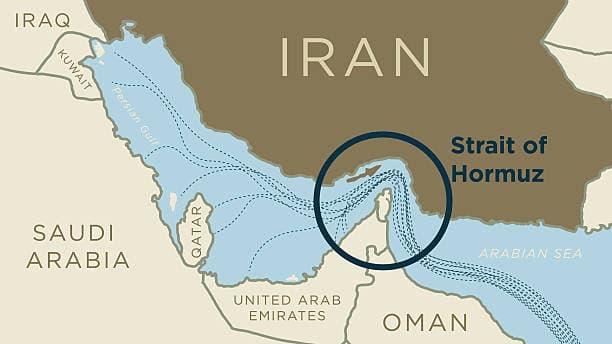
The Strait of Hormuz has seen fresh clashes that are once again cutting vessel transits, disrupting the flow of chemicals and fertilizers. These tensions elevate freight risk and threaten the stability of the global supply chain.

The disruption of naphtha shipments through the Strait of Hormuz has placed renewed pressure on Asia's petrochemical industry. Buyers of olefins, polymers and downstream petrochemicals should reassess feedstock exposure and supplier resilience as market conditions evolve.
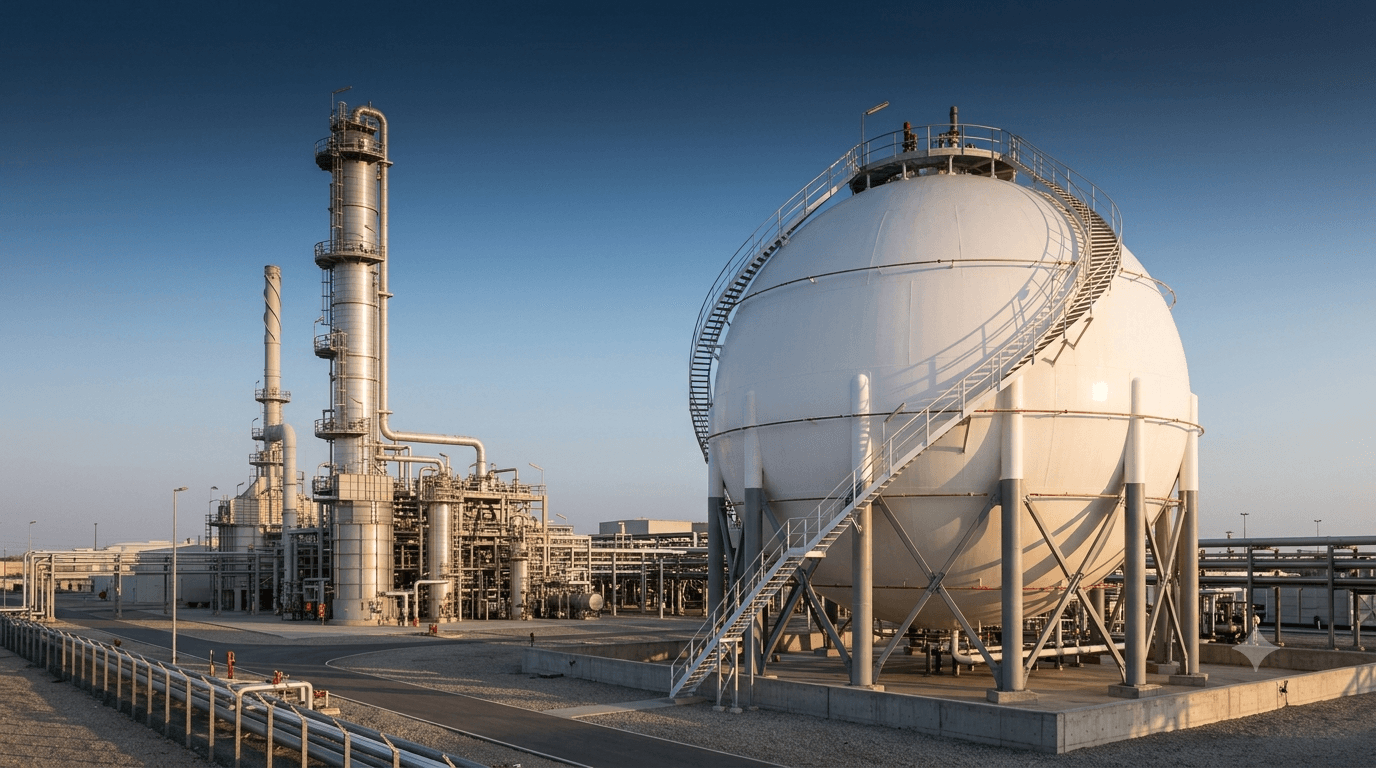
Wood Mackenzie's latest market assessment suggests the Hormuz disruption could permanently reshape global chemical production. Procurement teams that identify supplier risks early and qualify alternative sources now will stand in a stronger position as supply tightens.
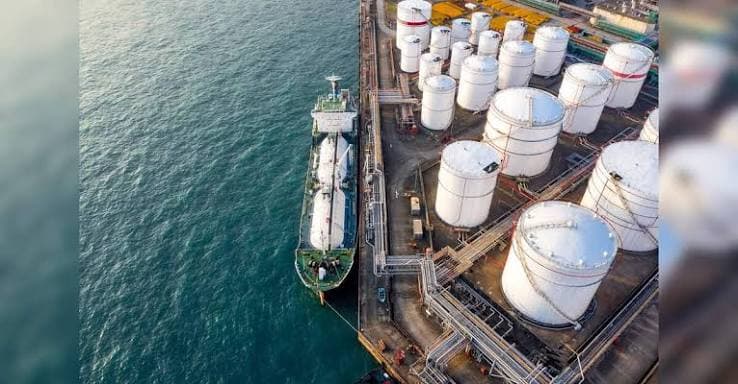
Japan's chemical industry enters H2 2026 after overcoming its most severe naphtha supply disruption in decades. The country's rapid diversification of feedstock sourcing may prove to be the most important long-term outcome of the Hormuz crisis, reshaping procurement strategies well beyond the recovery period.
We're committed to your privacy. Tradeasia uses the information you provide to us to contact you about our relevant content, products, and services. For more information, check out our privacy policy.