
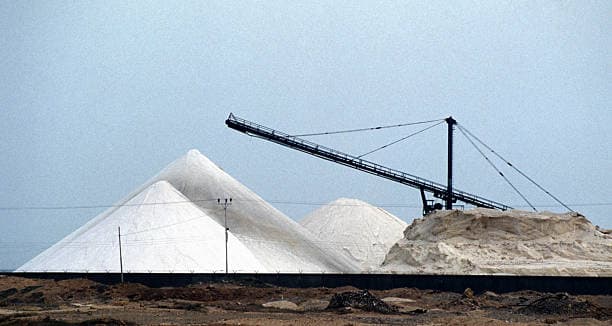
Potassium Sulphate - Indonesia CAS: 7778-80-5
Potassium Sulphate - Indonesia CAS: 7778-80-5

European chemical shippers face a crossroads as geopolitical tensions inflate freight costs. The article examines whether the current pricing surge, sparked by regional conflicts and supply chain disruptions, can sustain itself as markets evolve. Shippers weigh cost‑saving strategies and long‑term market dynamics.
China’s ongoing ban on phosphate exports pushes global fertilizer markets into uncertainty, tightening DAP and MAP supplies, reshaping shipping routes, and forcing buyers to rethink procurement strategies. The ripple effect underscores the fragility of the agricultural input supply chain.

The sudden disruption in the Hormuz Strait has spotlighted the fragility of chemical supply chains. Companies now must rethink sourcing, diversify origins, and embed measurable resilience into ESG reports to regain investor trust. Learn how to turn crisis into ESG growth.

Australia enters its critical pre-season agricultural procurement period with improving global logistics, lower freight costs and stronger chemical supply conditions. For fertilizer and agrochemical buyers, July represents the most important purchasing month before spring planting begins.
Although Gulf shipping has improved significantly since the peak of the Hormuz crisis, hundreds of vessels remain awaiting transit. Understanding the commercial priority system governing departures is essential for chemical buyers tracking delayed cargoes and planning H2 2026 deliveries.

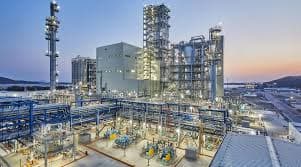
South Korea's petrochemical industry closes H1 2026 after experiencing the most extensive force majeure declarations of any major chemical-producing nation during the Hormuz disruption. As feedstock supplies recover, buyers and suppliers are shifting their focus toward contract resumption and Q3 delivery planning.
We're committed to your privacy. Tradeasia uses the information you provide to us to contact you about our relevant content, products, and services. For more information, check out our privacy policy.