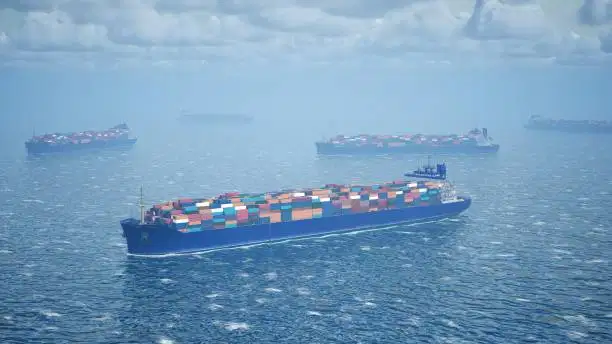

For decades, the Suez Canal served as one of the most efficient links between Asia, Europe and the Middle East. In 2026, however, geopolitical instability and shipping security concerns have forced many carriers to adopt a different strategy: routing around the Cape of Good Hope.
While this alternative route maintains cargo flow, it comes at a significant cost.
The Cape route typically adds:
10–14 additional transit days.
Approximately 4,000 extra nautical miles.
Higher bunker fuel consumption.
Increased vessel operating costs.
Greater equipment utilization requirements.
For chemical importers, these costs are now appearing directly in freight invoices, surcharge structures and supplier quotations.
Why Route-Level Analysis Matters
Many procurement teams focus on average freight rate trends.
That approach is increasingly insufficient.
The impact of rerouting varies dramatically depending on:
Origin location.
Destination market.
Cargo type.
Vessel availability.
Contract terms.
Two buyers sourcing the same chemical may experience completely different freight inflation simply because their shipping routes differ.
Understanding these differences is becoming a competitive advantage.
China to Europe: The Most Heavily Impacted Corridor
Among major trade lanes, China-to-Europe shipments have experienced some of the largest increases.
Additional costs typically include:
Higher bunker consumption.
Longer vessel utilization.
Increased equipment cycle times.
Elevated insurance costs.
Estimated incremental impact:
+$1,200–1,800 per TEU
For importers purchasing:
Solvents.
Organic acids.
Specialty chemicals.
Industrial intermediates.
freight now represents a much larger share of delivered cost than it did before the crisis.
The effect is particularly severe for lower-margin commodity products.
Gulf to India: Shorter Distance, Significant Cost Impact
At first glance, Gulf-to-India routes appear less exposed.
However, shipping disruptions and vessel repositioning have still created meaningful freight inflation.
Estimated additional costs:
+$800–1,200 per TEU
Contributing factors include:
Equipment shortages.
Vessel scheduling disruptions.
Insurance surcharges.
Regional congestion.
For buyers importing:
Methanol.
Urea.
Caustic soda.
Petrochemical feedstocks.
the additional freight burden remains substantial.
Taiwan to the United Kingdom: Longer Routes, Higher Exposure
Taiwan-UK trade lanes have also experienced significant increases.
Estimated impact:
+$900–1,500 per TEU
Products affected include:
Electronic chemicals.
Specialty polymers.
Semiconductor materials.
Industrial solvents.
The combination of extended sailing times and elevated operating costs has increased delivered pricing across numerous chemical categories.
Why Chemical Cargo Is Especially Sensitive
Not all products respond equally to freight inflation.
Chemical shipments often require:
Hazardous cargo handling.
Specialized containers.
ISO tanks.
Regulatory compliance documentation.
Dedicated storage facilities.
These additional requirements amplify logistics costs.
For some specialty chemicals, freight can represent a relatively small share of value.
For bulk commodities, however, freight inflation can significantly alter procurement economics.
2-Ethylhexyl Acrylate CAS: 103-11-7