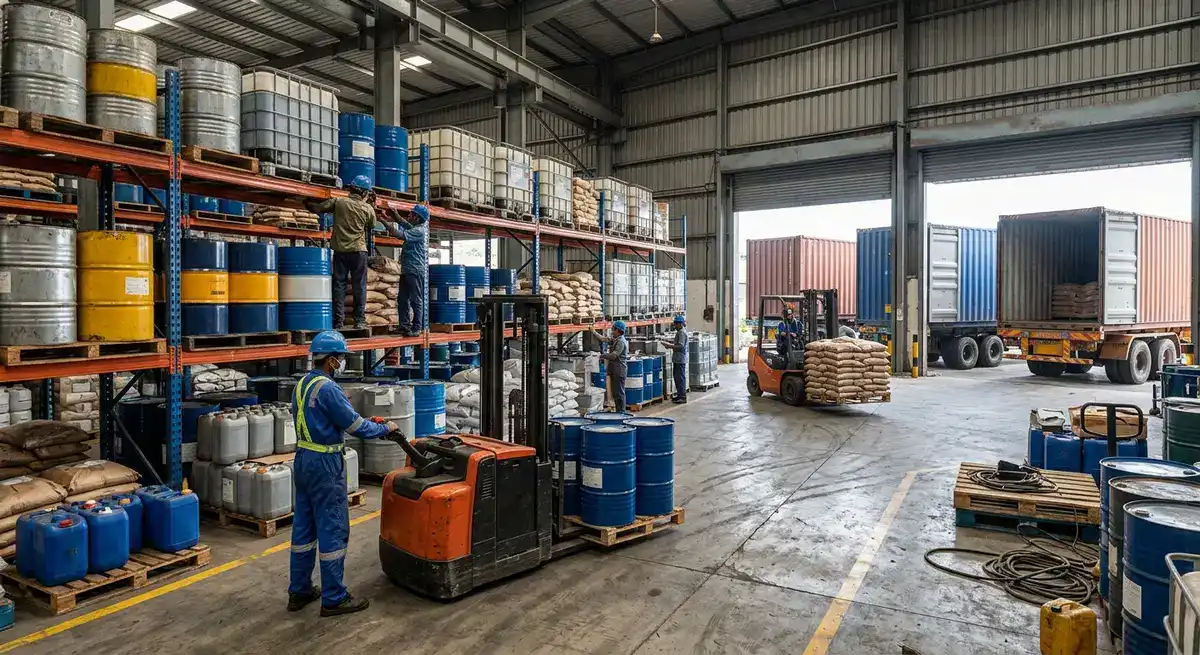

Chemical Price Risk Management Strategies
Introduction
Price volatility is a constant challenge in the global chemical industry. Chemical prices can fluctuate due to changes in feedstock costs, supply-demand imbalances, freight rates, currency movements, geopolitical events, and regulatory developments. These fluctuations can significantly impact procurement budgets, production costs, profit margins, and overall business performance.
For manufacturers, distributors, traders, and procurement teams, managing price risk is essential to maintaining profitability and ensuring supply chain stability. Effective chemical price risk management strategies help organizations reduce uncertainty, improve forecasting accuracy, and make more informed purchasing decisions.
This article explores the key strategies businesses use to manage chemical price risks and navigate volatile market conditions.
What Is Chemical Price Risk?
Chemical price risk refers to the possibility that unexpected changes in chemical prices will negatively affect a company's financial performance or operational efficiency.
Price risks can arise from:
Rising feedstock costs.
Supply disruptions.
Freight cost increases.
Currency fluctuations.
Geopolitical instability.
Regulatory changes.
Demand fluctuations.
Organizations that fail to manage these risks may experience higher procurement costs, reduced margins, and supply chain disruptions.
Why Price Risk Management Matters
Chemical products are often critical inputs for manufacturing processes. Sudden price increases can significantly affect production costs and profitability.
Effective price risk management helps businesses:
Improve cost predictability.
Protect profit margins.
Support budgeting and forecasting.
Ensure supply continuity.
Reduce exposure to market volatility.
Enhance procurement decision-making.
A proactive approach allows organizations to respond more effectively to changing market conditions.
Key Sources of Chemical Price Volatility
Feedstock Price Changes
Many chemicals are derived from feedstocks such as crude oil, natural gas, naphtha, ethylene, and propylene.
When feedstock prices rise, downstream chemical prices often increase as manufacturers pass higher production costs to customers.
Supply and Demand Imbalances
Unexpected shifts in supply or demand can rapidly affect market prices.
Examples include:
Plant shutdowns.
Capacity expansions.
Seasonal demand changes.
Economic slowdowns.
Freight and Logistics Costs
Transportation expenses play a major role in chemical pricing.
Factors such as:
Ocean freight rates.
Fuel costs.
Port congestion.
Shipping disruptions.
can significantly influence landed costs.
Currency Fluctuations
Since many chemicals are traded internationally in US Dollars, exchange rate movements can directly affect import costs and supplier competitiveness.
Geopolitical Events
Trade disputes, sanctions, conflicts, and political instability can disrupt supply chains and create uncertainty in chemical markets.
Strategy 1: Diversify Supplier Networks
One of the most effective ways to reduce price risk is supplier diversification.
By sourcing chemicals from multiple suppliers and regions, organizations can:
Reduce dependence on a single source.
Improve negotiating power.
Access alternative supply options.
Minimize disruption risks.
A diversified supply base increases flexibility during periods of market volatility.
Strategy 2: Use Long-Term Supply Agreements
Long-term contracts help stabilize pricing and ensure supply continuity.
Benefits include:
Predictable procurement costs.
Reduced exposure to short-term market fluctuations.
Stronger supplier relationships.
Improved inventory planning.
Many organizations use formula-based contracts linked to feedstock indices to balance price stability with market responsiveness.
Strategy 3: Monitor Feedstock Markets
Feedstock costs are among the strongest indicators of future chemical price movements.
Procurement teams should regularly monitor:
Crude oil prices.
Natural gas markets.
Naphtha prices.
Ethylene and propylene trends.
Early identification of feedstock price changes allows businesses to adjust purchasing strategies proactively.
Strategy 4: Implement Strategic Inventory Management
Inventory planning can help mitigate price risks.
Inventory Building During Low Prices
Companies may increase inventory levels when prices are expected to rise.
Inventory Optimization
Maintaining appropriate stock levels helps balance supply security with working capital efficiency.
However, excessive inventory can create storage costs and exposure to future price declines.
Strategy 5: Utilize Hedging Instruments
Financial hedging tools can help protect businesses from adverse price movements.
Common hedging methods include:
Futures Contracts
Locking in future purchase prices through commodity exchanges.
Forward Contracts
Agreeing on future prices directly with suppliers or financial institutions.
Options Contracts
Providing the right, but not the obligation, to buy or sell at a predetermined price.
While hedging can reduce risk, it requires careful planning and market expertise.
Strategy 6: Leverage Market Intelligence
Access to reliable market information is essential for effective risk management.
Market intelligence helps organizations:
Track price trends.
Monitor supply-demand conditions.
Analyze competitor activity.
Identify emerging risks.
Forecast future market movements.
Businesses that invest in market intelligence are often better prepared to respond to changing conditions.
Strategy 7: Develop Scenario Planning Models
Scenario planning helps organizations prepare for different market outcomes.
Typical scenarios include:
Base Case
Expected market conditions based on current information.
Bullish Scenario
Potential price increases due to supply shortages or rising demand.
Bearish Scenario
Potential price declines resulting from oversupply or weaker demand.
Evaluating multiple scenarios improves decision-making and risk preparedness.
Strategy 8: Manage Currency Risk
For importers, exchange rate fluctuations can significantly affect procurement costs.
Currency risk management strategies include:
Currency hedging.
Multi-currency sourcing.
Supplier diversification.
Exchange rate monitoring.
Managing currency exposure helps reduce unexpected cost increases.
Strategy 9: Strengthen Supplier Relationships
Strong supplier partnerships can provide valuable advantages during volatile market conditions.
Benefits include:
Early access to market information.
Improved supply reliability.
Flexible contract arrangements.
Better allocation during shortages.
Collaborative relationships often enhance supply chain resilience.
Strategy 10: Adopt Digital Procurement and Analytics Tools
Technology is transforming chemical price risk management.
Modern digital platforms provide:
Real-time pricing data.
Market intelligence dashboards.
Predictive analytics.
Automated alerts.
Procurement performance tracking.
These tools help organizations make faster, data-driven decisions and improve forecasting accuracy.
Common Challenges in Price Risk Management
Despite available strategies, managing chemical price risk remains complex.
Organizations often face:
Rapid market changes.
Limited pricing transparency.
Global supply chain disruptions.
Unpredictable geopolitical developments.
Data availability challenges.
Because no single strategy eliminates risk entirely, companies often combine multiple approaches to create a comprehensive risk management framework.
Best Practices for Managing Chemical Price Risk
Successful organizations typically follow several key practices:
Continuously monitor market conditions.
Diversify sourcing strategies.
Maintain strong supplier relationships.
Utilize forecasting and market intelligence tools.
Review procurement strategies regularly.
Incorporate risk assessments into purchasing decisions.
Develop contingency plans for supply disruptions.
A proactive and data-driven approach provides the greatest protection against market uncertainty.
The Future of Chemical Price Risk Management
As chemical markets become increasingly interconnected, risk management practices will continue to evolve.
Emerging technologies such as:
Artificial intelligence.
Machine learning.
Predictive analytics.
Real-time market intelligence platforms.
will improve forecasting accuracy and help organizations identify risks earlier.
Businesses that embrace digital tools and advanced analytics will be better positioned to navigate market volatility and maintain a competitive advantage.
Conclusion
Chemical price volatility is an unavoidable reality in global markets, but organizations can significantly reduce its impact through effective risk management strategies. By diversifying suppliers, leveraging market intelligence, monitoring feedstock trends, managing inventory strategically, and utilizing financial hedging tools, businesses can improve cost predictability and strengthen supply chain resilience.
In an increasingly uncertain market environment, successful chemical companies will be those that combine data-driven insights, proactive planning, and flexible procurement strategies to manage risk and capitalize on market opportunities.
Ascorbic Acid (E300) CAS: 50-81-7