
 In 2023, analysts predict that China will import a record amount of crude oil due to rising gasoline consumption as more people travel as a result of the removal of COVID-19 regulations and the startup of new refineries.
The issue is cited from Reuters in early 2023. China's crude imports may rise by 500,000 to 1 million barrels per day (bpd) or more this year, reaching as high as 11.8 million bpd, experts from four industry consultancies, including Wood Mackenzie, FGE, Energy Aspects, and S&P Global Commodity Insight, say, this would reverse a decline from the previous two years, and breaking the previous record of 10.8 million bpd set in 2020. The four consultancies predicted that Chinese refineries will boost oil throughput by 850,000 Due to growing local demand and appealing export markets, production is expected to climb to 1.2 million bpd over 2022 levels, or 6% to 9%.
Another positive development for the oil market will be the expectation of robust demand from the largest importer in the world, which will add to the support already provided by the OPEC+ producing group's output cutbacks and western sanctions against Russian shipments.
China has seen an increase in demand for gasoline and jet fuel when COVID limits were removed in December. Sun Jianan, an analyst at Energy Aspects, predicted that gasoline and jet fuel would be the main drivers of the increase in demand for liquid fuels. By the end of 2023, Sun predicted that jet fuel usage would be 90% higher than it was before COVID.
As per FGE analyst Mia Geng and Energy Aspects' Sun, the rebound in China's manufacturing and real estate sectors will take longer to manifest, which will slow down demand growth for diesel, a crucial industrial and transportation fuel, and naphtha, a petrochemical feedstock.
Refiners will be encouraged to increase runs in order to maintain profitable export cargoes and deliver more feedstocks to the petrochemical industry, analysts said, in addition to meeting the growing domestic demand.
Industry sources predict that two new PetroChina-owned refineries, Guangdong Petrochemical and Jiangsu Shenghong Petrochemical, with a combined capacity of 520,000 bpd, would begin functioning commercially in the coming months.
According to a corporate source, a third greenfield refinery, the 400,000 bpd Shandong Yulong Petrochemical facility, may start importing crude towards the end of 2023 in preparation for potential test runs.
Experts did list several reasons to be wary of demand projections despite all the favorable elements. External hindrances, such as a bleak outlook for the world economy, would put stress on China's export industry. The potential for a COVID virus return and the uncertainty surrounding China's fuel export policy were listed as additional risks by analysts.
References:
Aizhu, Chen & Xu, Muyu. 2022. China set for record crude oil imports in 2023, analysts say. Reuters.
Photo by evening_tao via https://www.freepik.com/
In 2023, analysts predict that China will import a record amount of crude oil due to rising gasoline consumption as more people travel as a result of the removal of COVID-19 regulations and the startup of new refineries.
The issue is cited from Reuters in early 2023. China's crude imports may rise by 500,000 to 1 million barrels per day (bpd) or more this year, reaching as high as 11.8 million bpd, experts from four industry consultancies, including Wood Mackenzie, FGE, Energy Aspects, and S&P Global Commodity Insight, say, this would reverse a decline from the previous two years, and breaking the previous record of 10.8 million bpd set in 2020. The four consultancies predicted that Chinese refineries will boost oil throughput by 850,000 Due to growing local demand and appealing export markets, production is expected to climb to 1.2 million bpd over 2022 levels, or 6% to 9%.
Another positive development for the oil market will be the expectation of robust demand from the largest importer in the world, which will add to the support already provided by the OPEC+ producing group's output cutbacks and western sanctions against Russian shipments.
China has seen an increase in demand for gasoline and jet fuel when COVID limits were removed in December. Sun Jianan, an analyst at Energy Aspects, predicted that gasoline and jet fuel would be the main drivers of the increase in demand for liquid fuels. By the end of 2023, Sun predicted that jet fuel usage would be 90% higher than it was before COVID.
As per FGE analyst Mia Geng and Energy Aspects' Sun, the rebound in China's manufacturing and real estate sectors will take longer to manifest, which will slow down demand growth for diesel, a crucial industrial and transportation fuel, and naphtha, a petrochemical feedstock.
Refiners will be encouraged to increase runs in order to maintain profitable export cargoes and deliver more feedstocks to the petrochemical industry, analysts said, in addition to meeting the growing domestic demand.
Industry sources predict that two new PetroChina-owned refineries, Guangdong Petrochemical and Jiangsu Shenghong Petrochemical, with a combined capacity of 520,000 bpd, would begin functioning commercially in the coming months.
According to a corporate source, a third greenfield refinery, the 400,000 bpd Shandong Yulong Petrochemical facility, may start importing crude towards the end of 2023 in preparation for potential test runs.
Experts did list several reasons to be wary of demand projections despite all the favorable elements. External hindrances, such as a bleak outlook for the world economy, would put stress on China's export industry. The potential for a COVID virus return and the uncertainty surrounding China's fuel export policy were listed as additional risks by analysts.
References:
Aizhu, Chen & Xu, Muyu. 2022. China set for record crude oil imports in 2023, analysts say. Reuters.
Photo by evening_tao via https://www.freepik.com/China is On Track to Achieve Significant Increase in Crude Oil Imports in 2023
 In 2023, analysts predict that China will import a record amount of crude oil due to rising gasoline consumption as more people travel as a result of the removal of COVID-19 regulations and the startup of new refineries.
The issue is cited from Reuters in early 2023. China's crude imports may rise by 500,000 to 1 million barrels per day (bpd) or more this year, reaching as high as 11.8 million bpd, experts from four industry consultancies, including Wood Mackenzie, FGE, Energy Aspects, and S&P Global Commodity Insight, say, this would reverse a decline from the previous two years, and breaking the previous record of 10.8 million bpd set in 2020. The four consultancies predicted that Chinese refineries will boost oil throughput by 850,000 Due to growing local demand and appealing export markets, production is expected to climb to 1.2 million bpd over 2022 levels, or 6% to 9%.
Another positive development for the oil market will be the expectation of robust demand from the largest importer in the world, which will add to the support already provided by the OPEC+ producing group's output cutbacks and western sanctions against Russian shipments.
China has seen an increase in demand for gasoline and jet fuel when COVID limits were removed in December. Sun Jianan, an analyst at Energy Aspects, predicted that gasoline and jet fuel would be the main drivers of the increase in demand for liquid fuels. By the end of 2023, Sun predicted that jet fuel usage would be 90% higher than it was before COVID.
As per FGE analyst Mia Geng and Energy Aspects' Sun, the rebound in China's manufacturing and real estate sectors will take longer to manifest, which will slow down demand growth for diesel, a crucial industrial and transportation fuel, and naphtha, a petrochemical feedstock.
Refiners will be encouraged to increase runs in order to maintain profitable export cargoes and deliver more feedstocks to the petrochemical industry, analysts said, in addition to meeting the growing domestic demand.
Industry sources predict that two new PetroChina-owned refineries, Guangdong Petrochemical and Jiangsu Shenghong Petrochemical, with a combined capacity of 520,000 bpd, would begin functioning commercially in the coming months.
According to a corporate source, a third greenfield refinery, the 400,000 bpd Shandong Yulong Petrochemical facility, may start importing crude towards the end of 2023 in preparation for potential test runs.
Experts did list several reasons to be wary of demand projections despite all the favorable elements. External hindrances, such as a bleak outlook for the world economy, would put stress on China's export industry. The potential for a COVID virus return and the uncertainty surrounding China's fuel export policy were listed as additional risks by analysts.
References:
Aizhu, Chen & Xu, Muyu. 2022. China set for record crude oil imports in 2023, analysts say. Reuters.
Photo by evening_tao via https://www.freepik.com/
In 2023, analysts predict that China will import a record amount of crude oil due to rising gasoline consumption as more people travel as a result of the removal of COVID-19 regulations and the startup of new refineries.
The issue is cited from Reuters in early 2023. China's crude imports may rise by 500,000 to 1 million barrels per day (bpd) or more this year, reaching as high as 11.8 million bpd, experts from four industry consultancies, including Wood Mackenzie, FGE, Energy Aspects, and S&P Global Commodity Insight, say, this would reverse a decline from the previous two years, and breaking the previous record of 10.8 million bpd set in 2020. The four consultancies predicted that Chinese refineries will boost oil throughput by 850,000 Due to growing local demand and appealing export markets, production is expected to climb to 1.2 million bpd over 2022 levels, or 6% to 9%.
Another positive development for the oil market will be the expectation of robust demand from the largest importer in the world, which will add to the support already provided by the OPEC+ producing group's output cutbacks and western sanctions against Russian shipments.
China has seen an increase in demand for gasoline and jet fuel when COVID limits were removed in December. Sun Jianan, an analyst at Energy Aspects, predicted that gasoline and jet fuel would be the main drivers of the increase in demand for liquid fuels. By the end of 2023, Sun predicted that jet fuel usage would be 90% higher than it was before COVID.
As per FGE analyst Mia Geng and Energy Aspects' Sun, the rebound in China's manufacturing and real estate sectors will take longer to manifest, which will slow down demand growth for diesel, a crucial industrial and transportation fuel, and naphtha, a petrochemical feedstock.
Refiners will be encouraged to increase runs in order to maintain profitable export cargoes and deliver more feedstocks to the petrochemical industry, analysts said, in addition to meeting the growing domestic demand.
Industry sources predict that two new PetroChina-owned refineries, Guangdong Petrochemical and Jiangsu Shenghong Petrochemical, with a combined capacity of 520,000 bpd, would begin functioning commercially in the coming months.
According to a corporate source, a third greenfield refinery, the 400,000 bpd Shandong Yulong Petrochemical facility, may start importing crude towards the end of 2023 in preparation for potential test runs.
Experts did list several reasons to be wary of demand projections despite all the favorable elements. External hindrances, such as a bleak outlook for the world economy, would put stress on China's export industry. The potential for a COVID virus return and the uncertainty surrounding China's fuel export policy were listed as additional risks by analysts.
References:
Aizhu, Chen & Xu, Muyu. 2022. China set for record crude oil imports in 2023, analysts say. Reuters.
Photo by evening_tao via https://www.freepik.com/Related Insights
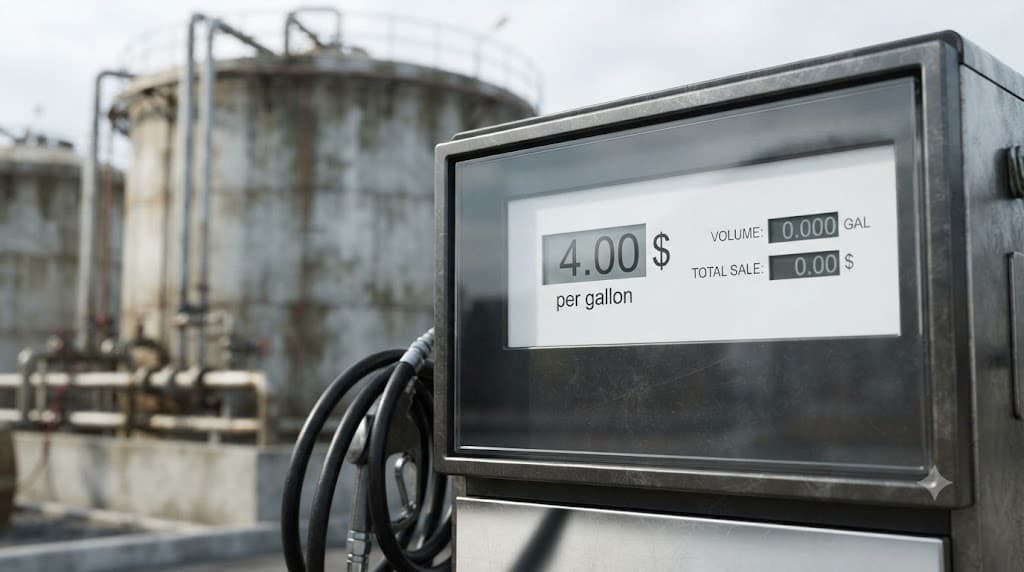
Gasoline Above $4 Per Gallon: Impact on Downstream Commodity Chemical Pricing
Rising gasoline prices above $4 per gallon are reshaping commodity chemical costs across multiple sectors. Procurement teams need to understand the pricing pressures and adjust sourcing strategies now.

War-Risk Insurance Under Scrutiny: What Rising Gulf Premiums Mean for Chemical Trade
War-risk insurance premiums surged by around 50% during the earlier Gulf disruption, increasing logistics costs for chemical shipments. Procurement and compliance teams should understand how insurance pricing and regulatory oversight can influence sourcing decisions and freight budgets.

Reading Consumer Sentiment Into Grocery Aisle Chemistry: What a Weak ISM PMI Means for Food Ingredient Buyers
Manufacturing activity and consumer spending often move together, making the ISM Manufacturing PMI an important indicator for food ingredient suppliers. Procurement teams can use PMI trends alongside retail demand data to strengthen purchasing and inventory decisions.

Kpler's 34: What Six Times More Vessel Crossings in One Day Actually Means for Chemical Supply
Kpler confirmed 34 vessel crossings through Hormuz on June 30, a sixfold increase over June’s average daily traffic. For chemical procurement professionals, the number signals the first meaningful Gulf supply recovery in months, but sustained movement over the next 48 hours will determine whether true normalization has begun.

July 2 Pharma Chemical Brief: Supply Chain Signals & Risk
This weekly brief highlights Gulf logistics recovery, structural helium constraints, rising GLP‑1 solvent demand, shifting polymer duties in India, and imminent EU regulatory updates. Procurement teams must adjust sourcing strategies to navigate these evolving risks and opportunities.

Maltodextrin & Dextrose Market Outlook H2 2026: Sports Nutrition Demand Drives Global Sourcing
With sports nutrition surging, maltodextrin and dextrose demand is set to rise in H2 2026. Easing freight rates unlock new procurement windows, especially in China and emerging markets. This article explores market dynamics, supply trends, and strategic sourcing tips for buyers.
Don't miss out on our updates! Subscribe to our newsletter now
We're committed to your privacy. Tradeasia uses the information you provide to us to contact you about our relevant content, products, and services. For more information, check out our privacy policy.