
Corn Gluten Meal (60% Min Protein) - Indonesia CAS: 66071-96-3
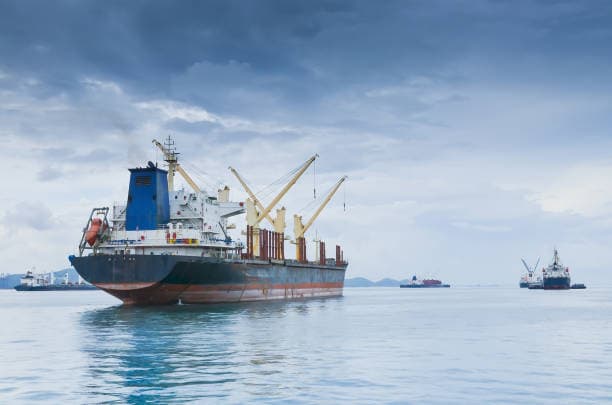
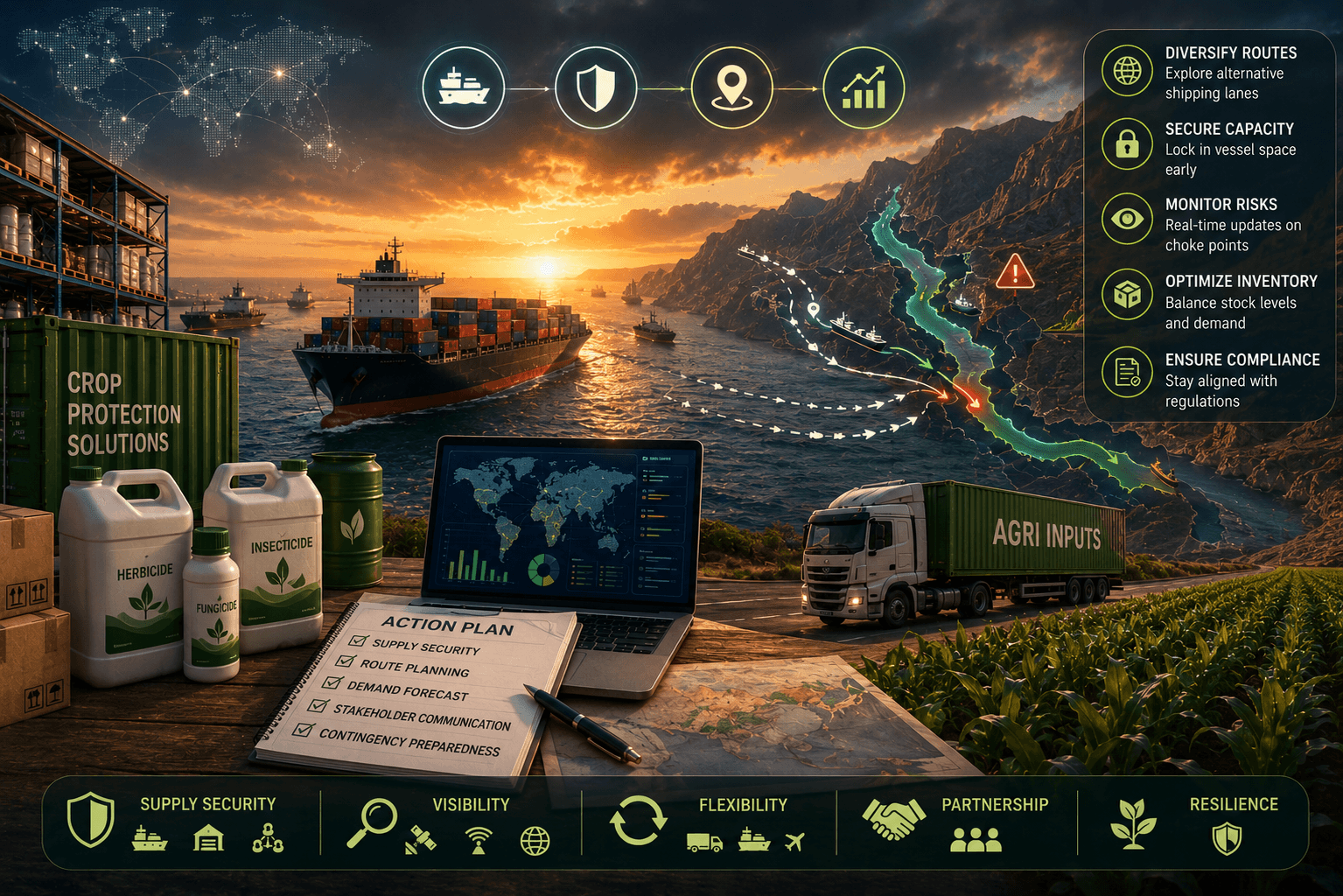
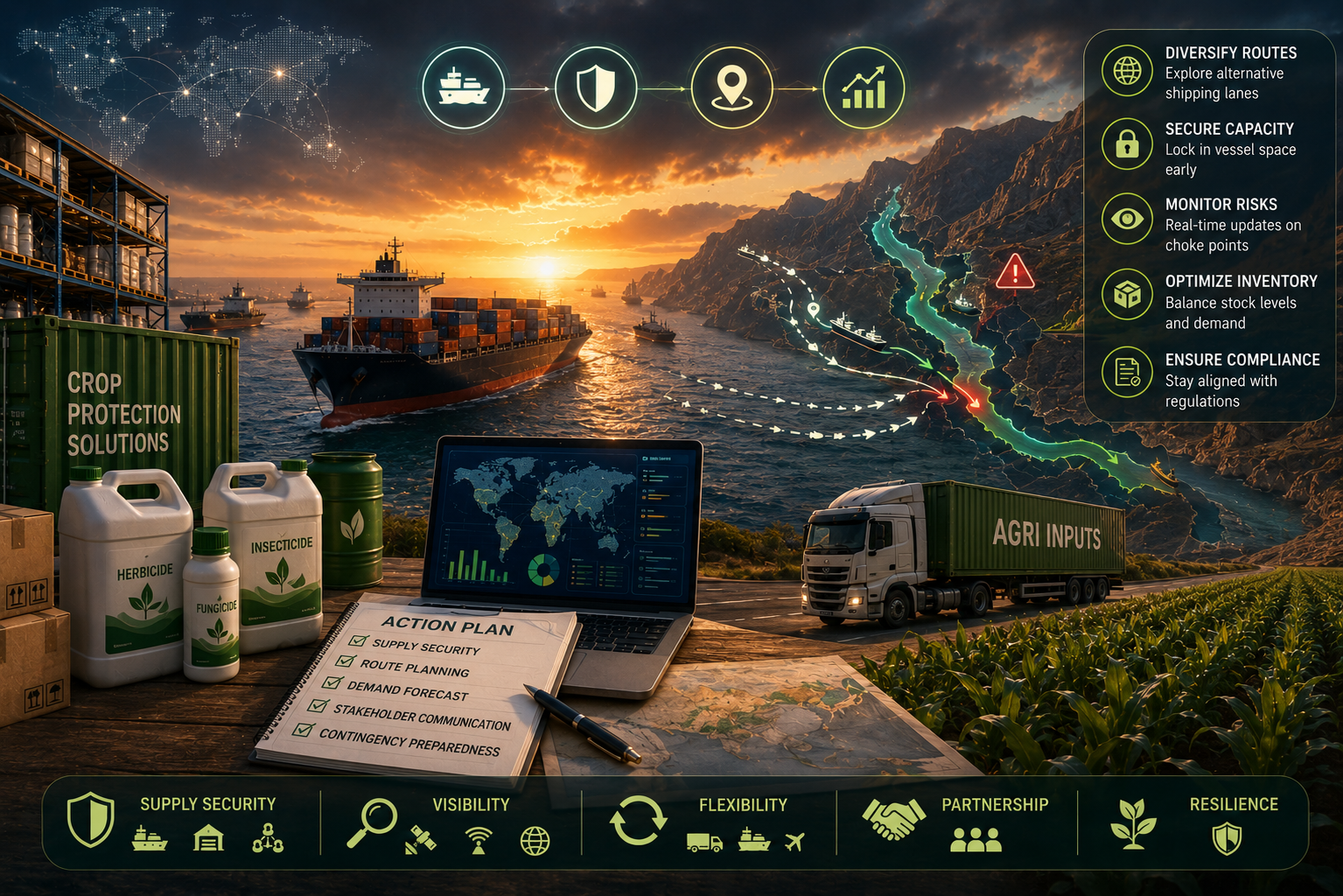
The sudden end of a regional ceasefire has formally reopened the Hormuz shipping crisis, କ re‑igniting fears of major disruptions in the Strait of Hormuz. This development threatens to ripple through chemical logistics, tanker operations, freight rates, and global supply chains, especially in the fertilizer sector.

A previous 60-day Jones Act waiver eased fertilizer and petroleum transport during supply chain disruption. Chemical procurement and compliance teams should understand how similar regulatory measures could influence domestic logistics, freight availability and contingency planning.
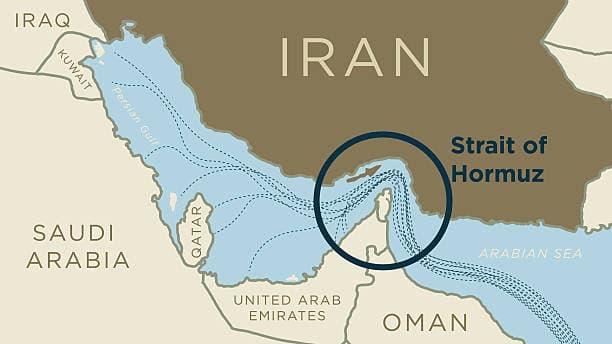
The Strait of Hormuz has seen fresh clashes that are once again cutting vessel transits, disrupting the flow of chemicals and fertilizers. These tensions elevate freight risk and threaten the stability of the global supply chain.

Algeria’s Annaba port is accelerating its expansion to meet a 2027 deadline, adding thousands of workers and new logistics capacity. The project strengthens the country’s position in the global phosphate market and enhances fertilizer supply chains. Read how the upgrade transforms maritime operations and market dynamics.
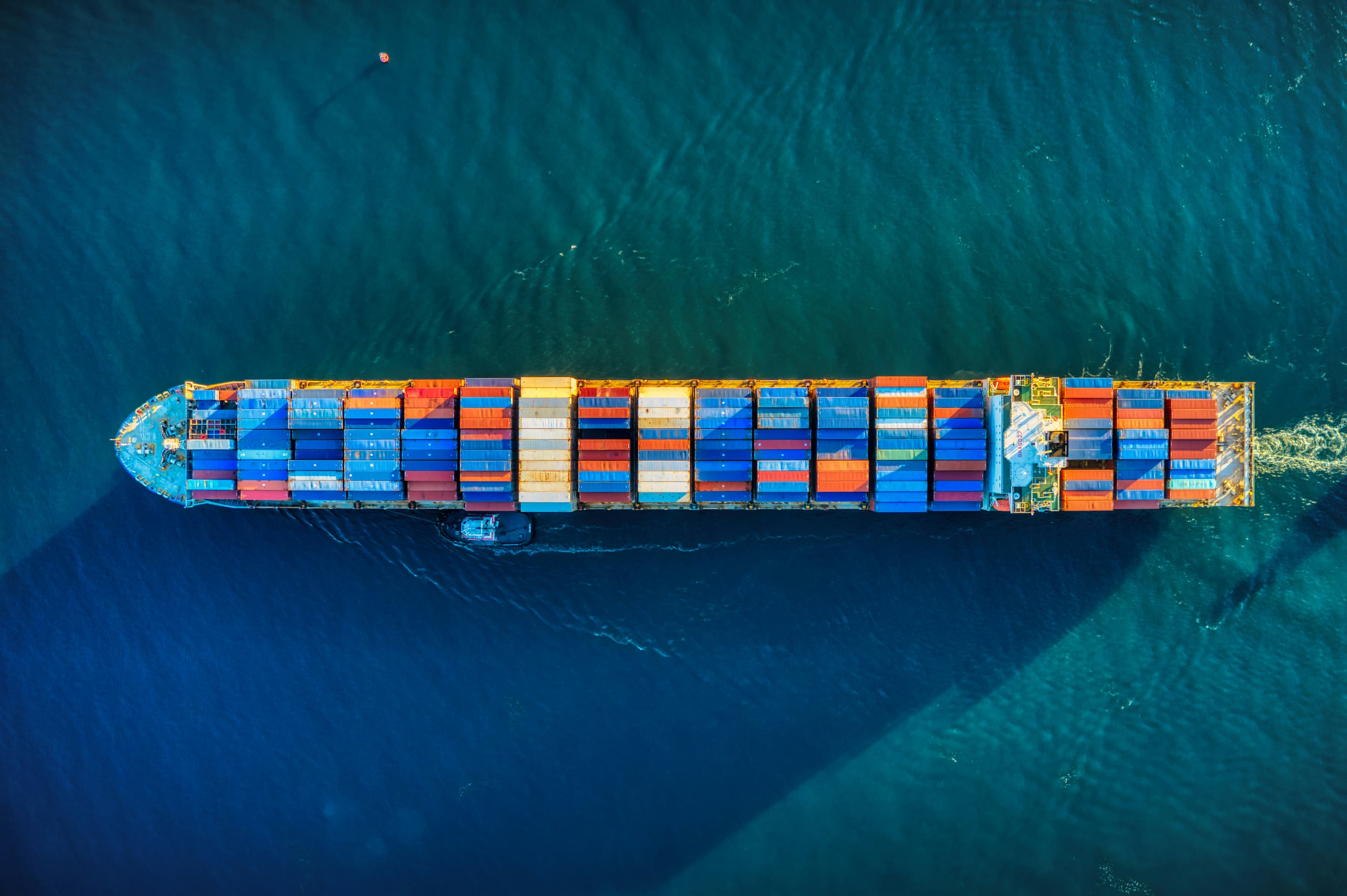
Container freight markets finished H1 2026 well above pre-crisis pricing despite easing fuel costs. This review explains how Cape of Good Hope routing, carrier commitments and war risk surcharges continue to shape chemical logistics costs for H2 2026.
Electronic-grade hydrogen peroxide remains one of the tightest specialty chemical markets in 2026. Semiconductor expansion across Asia continues to absorb available supply, while European production constraints limit market flexibility. Procurement teams face a structurally tight market that shows little connection to Middle East shipping developments.
We're committed to your privacy. Tradeasia uses the information you provide to us to contact you about our relevant content, products, and services. For more information, check out our privacy policy.