
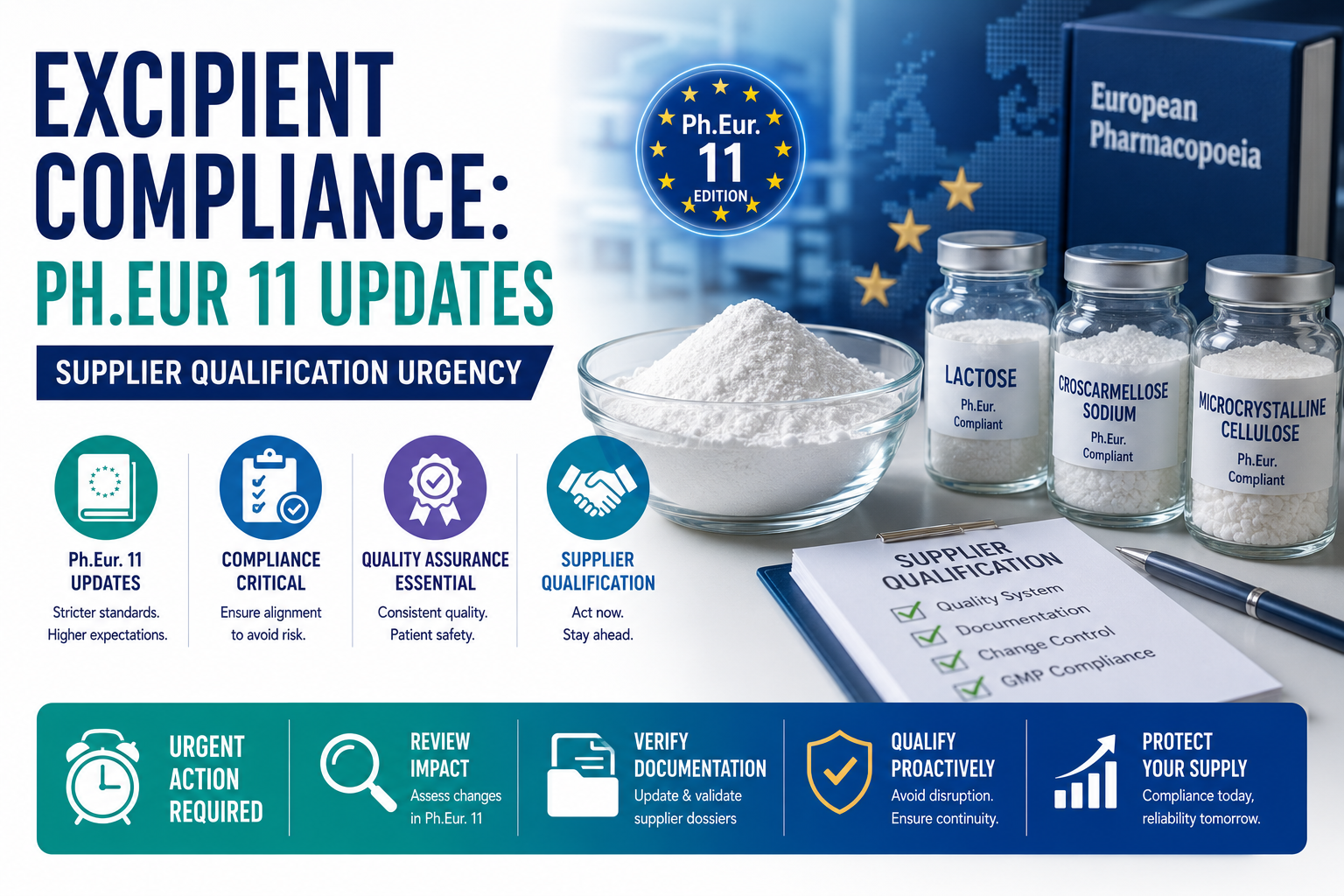
Boric Acid (99.9% Granular) - Peru CAS: 10043-35-3
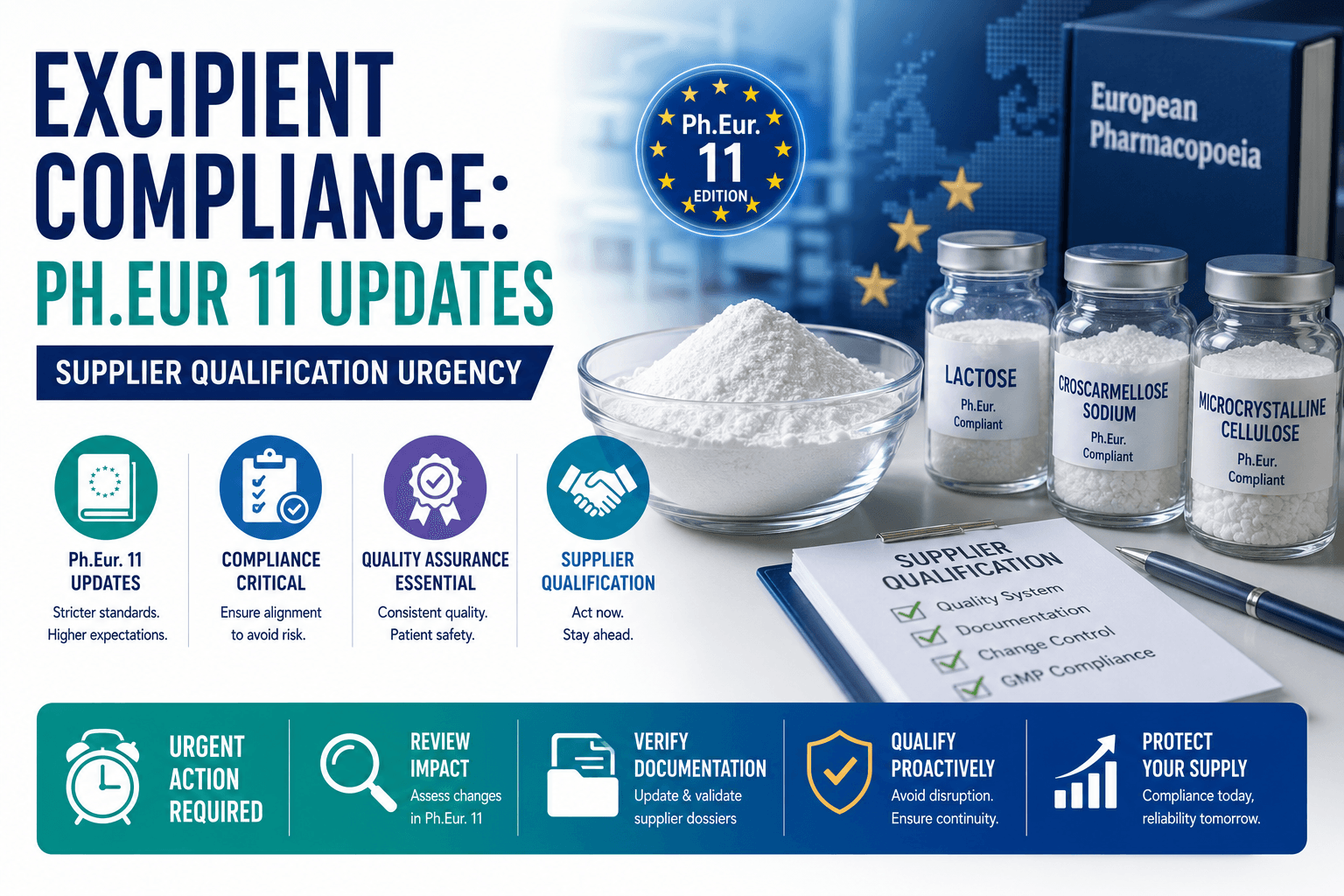
Boric Acid (99.9% Granular) - Peru CAS: 10043-35-3

War-risk insurance premiums surged by around 50% during the earlier Gulf disruption, increasing logistics costs for chemical shipments. Procurement and compliance teams should understand how insurance pricing and regulatory oversight can influence sourcing decisions and freight budgets.
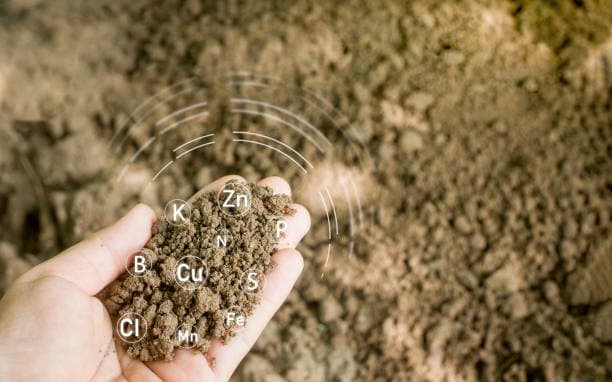
The EPA’s updated PFAS guidance reshapes how farmers use biosolids and fertilizers, influencing crop inputs and the broader food ingredient supply chain. Learn what it means for compliance, sourcing, and consumer safety.

As demand for textured soy protein and other plant-based ingredients grows, traceability has become a key requirement for regulatory compliance and supply chain confidence. Procurement teams should strengthen ingredient transparency to protect product quality and market access.

Retailers are tightening their standards on synthetic food dyes, setting 2026‑2027 deadlines that force manufacturers to reexamine ingredient sourcing and reformulation strategies. The shift toward natural colorants and clean‑label compliance reshapes product development, cost structures, and supply chains. This article breaks down the commitments, impacts, and practical steps for food companies.

The latest Cape of Good Hope routing update released on Friday, July 10, reveals a nuanced shift in freight costs for Asia‑Europe chemical shipments. Bunker Adjustment Factors and the recent BAF reset have reshaped container shipping rates, impacting procurement decisions across the supply chain.
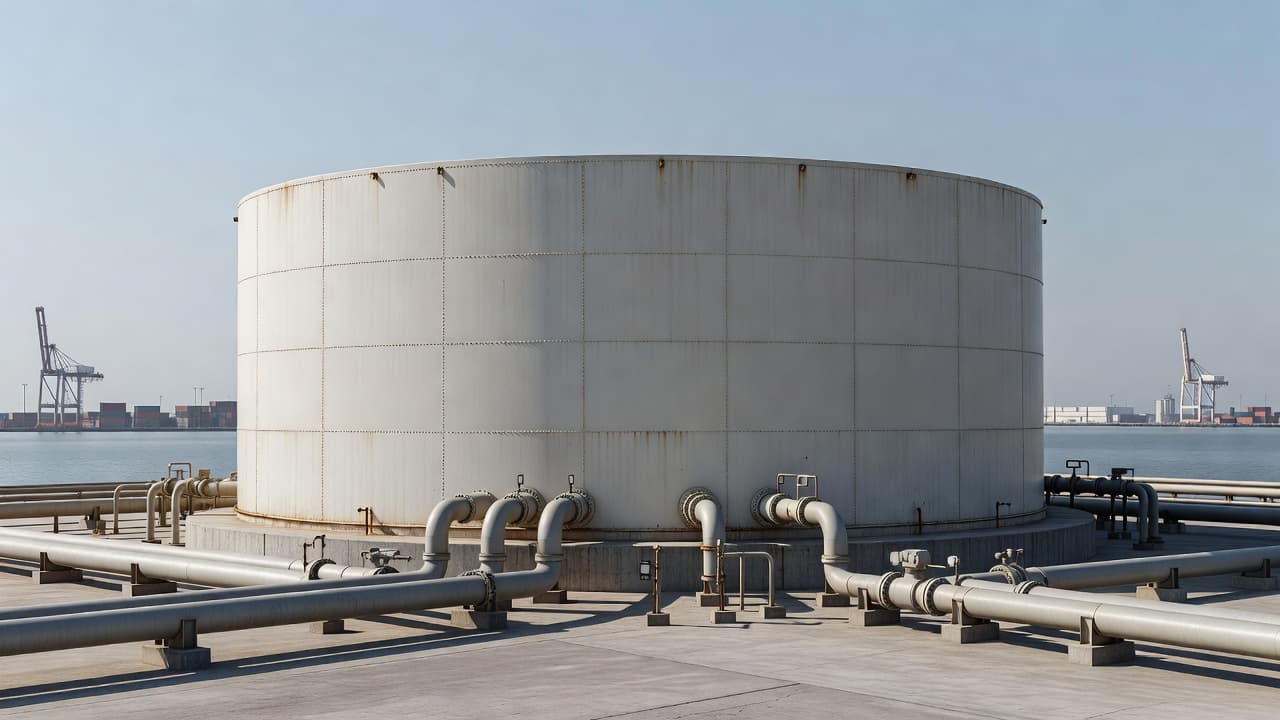
Chemical supply chains depend on stable trade routes, diplomatic channels and predictable negotiations. The Oman crisis shows how quickly geopolitical decisions can affect sourcing strategies, supplier confidence and procurement planning.
We're committed to your privacy. Tradeasia uses the information you provide to us to contact you about our relevant content, products, and services. For more information, check out our privacy policy.