
Boric Acid (99.9% Granular) - Peru CAS: 10043-35-3
Boric Acid (99.9% Granular) - Peru CAS: 10043-35-3
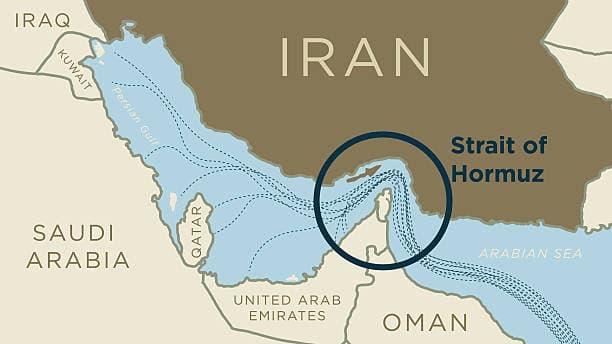
The Strait of Hormuz has seen fresh clashes that are once again cutting vessel transits, disrupting the flow of chemicals and fertilizers. These tensions elevate freight risk and threaten the stability of the global supply chain.

Japanese chemical manufacturers are shifting investment away from China toward India after years of deepening engagement in Chinese markets. The pivot centers particularly on solar materials and reflects broader frustrations with operating conditions in China that procurement teams managing Asian supply chains must understand as sourcing patterns reshape across the region.

The IMF's April 2026 Regional Economic Outlook highlights the strategic importance of the Strait of Hormuz to global oil, helium, sulfur, ammonia and petrochemical feedstock flows. Chemical procurement teams can use this multilateral data to strengthen supply chain risk assessments and executive decision making.
Supplier ownership changes can create unexpected challenges for Scope 3 emissions reporting under the Corporate Sustainability Reporting Directive. This guide explains how procurement and sustainability teams should manage supplier data continuity following ownership transfers.

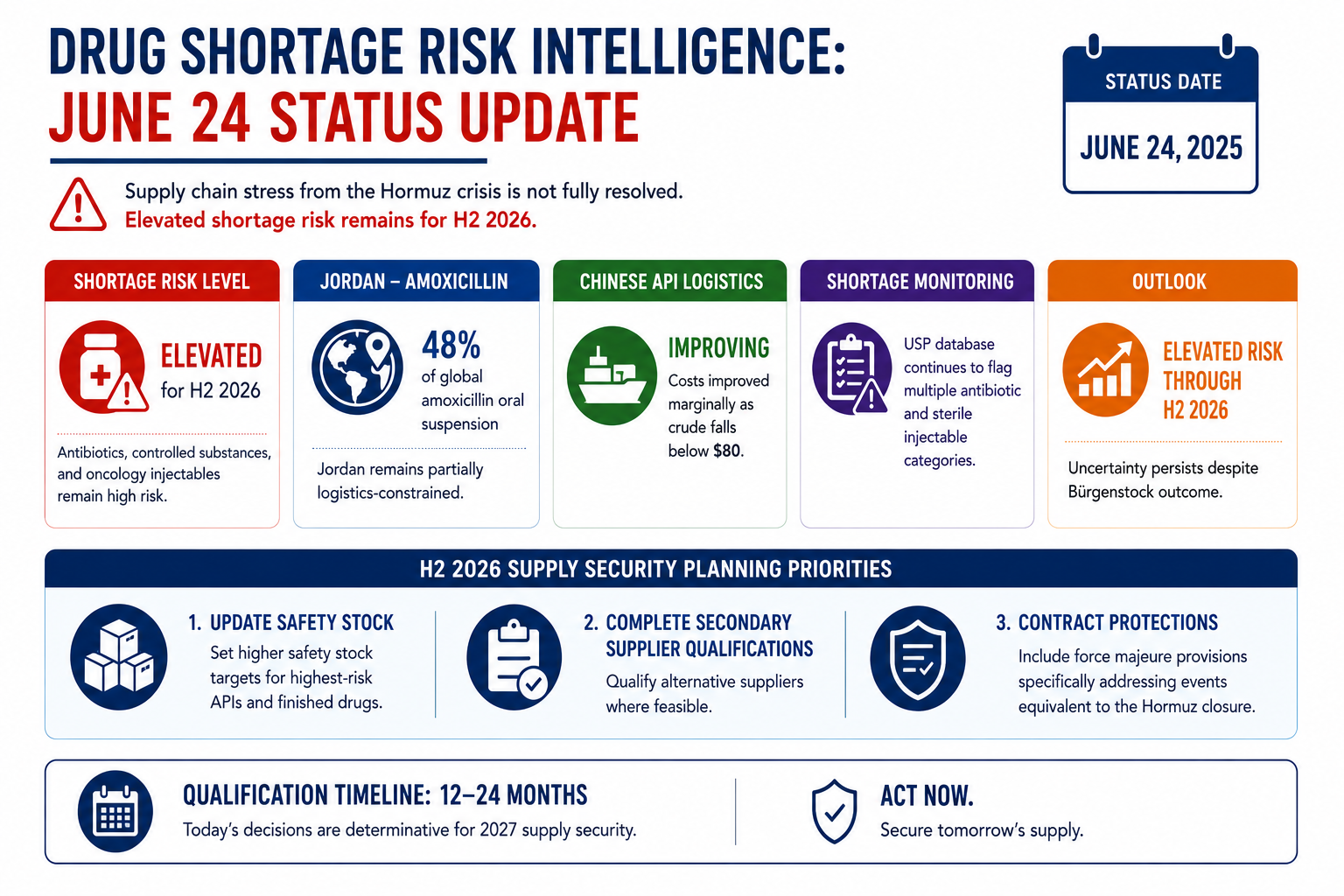
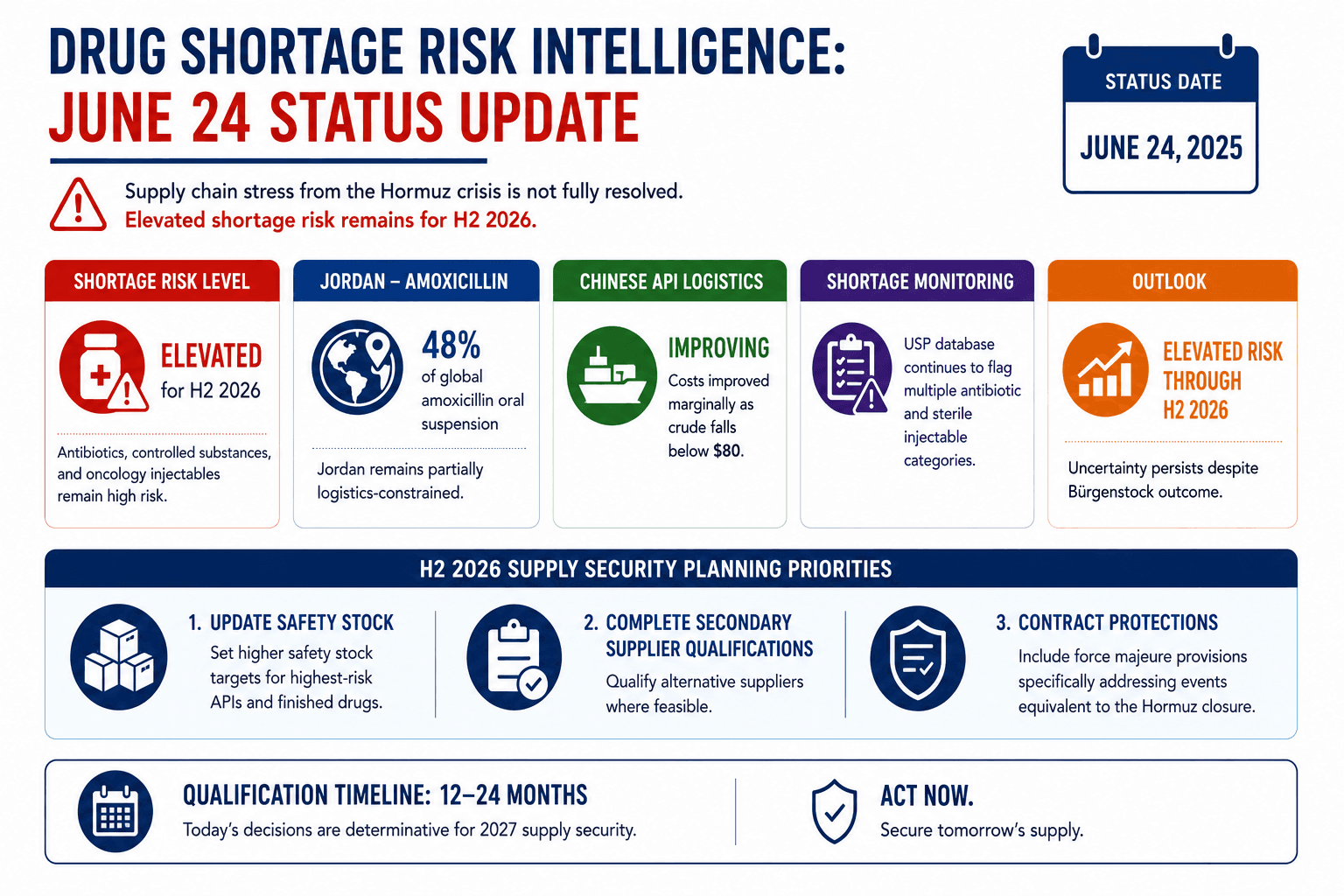
Pharmaceutical supply chain risk assessment has moved from an aspirational framework to a regulatory expectation
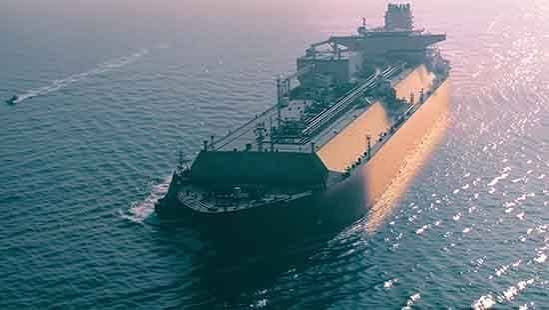
The International Maritime Organization has confirmed 49 security incidents across Hormuz and the Persian Gulf as of June 30, creating the most comprehensive official risk dataset of the 2026 shipping crisis. For chemical tanker operators and cargo buyers, this record now defines insurance underwriting and shipping risk calculations for H2 2026.
We're committed to your privacy. Tradeasia uses the information you provide to us to contact you about our relevant content, products, and services. For more information, check out our privacy policy.