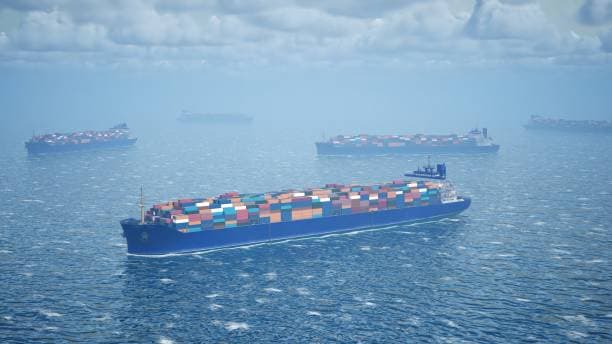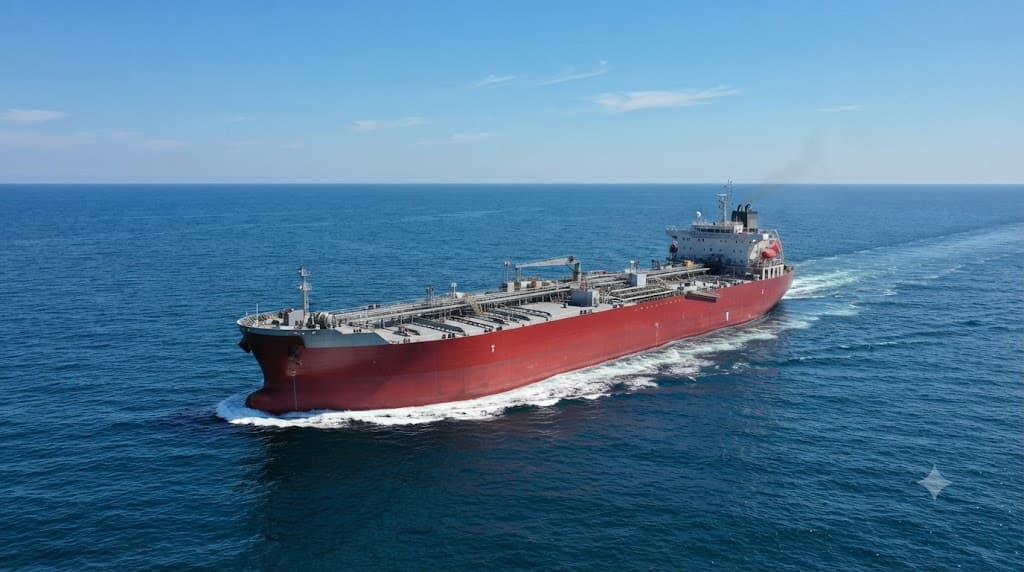
The Strait of Hormuz is a critical artery for global oil and chemical shipments. While onvoy convoy operations have helped ease traffic congestion and lower the Hormuz Index, the index still sits at 90—a clear indication of heightened risk. This article explains why supply chain risk remains elevated and outlines what procurement teams should monitor beyond simple vessel movements.
Onvoy Operations and the Hormuz Index
Onvoy convoys have introduced coordinated scheduling, real‑time traffic monitoring, and adaptive routing that reduce transit times and exposure to piracy. These maneuvers have contributed to a modest drop in the Hormuz Index, a composite metric that blends shipping speed, vessel density, and incident reports. Nevertheless, the index remains in the high‑risk zone, signaling that other elements of the supply chain continue to experience volatility.
Beyond Vessel Movements: Multi‑Layered Risk Factors
High index readings reflect a confluence of challenges that extend past the waterway itself. Key drivers include:
Geopolitical tensions—regional disputes and sanctions can abruptly close lanes or restrict access to ports.
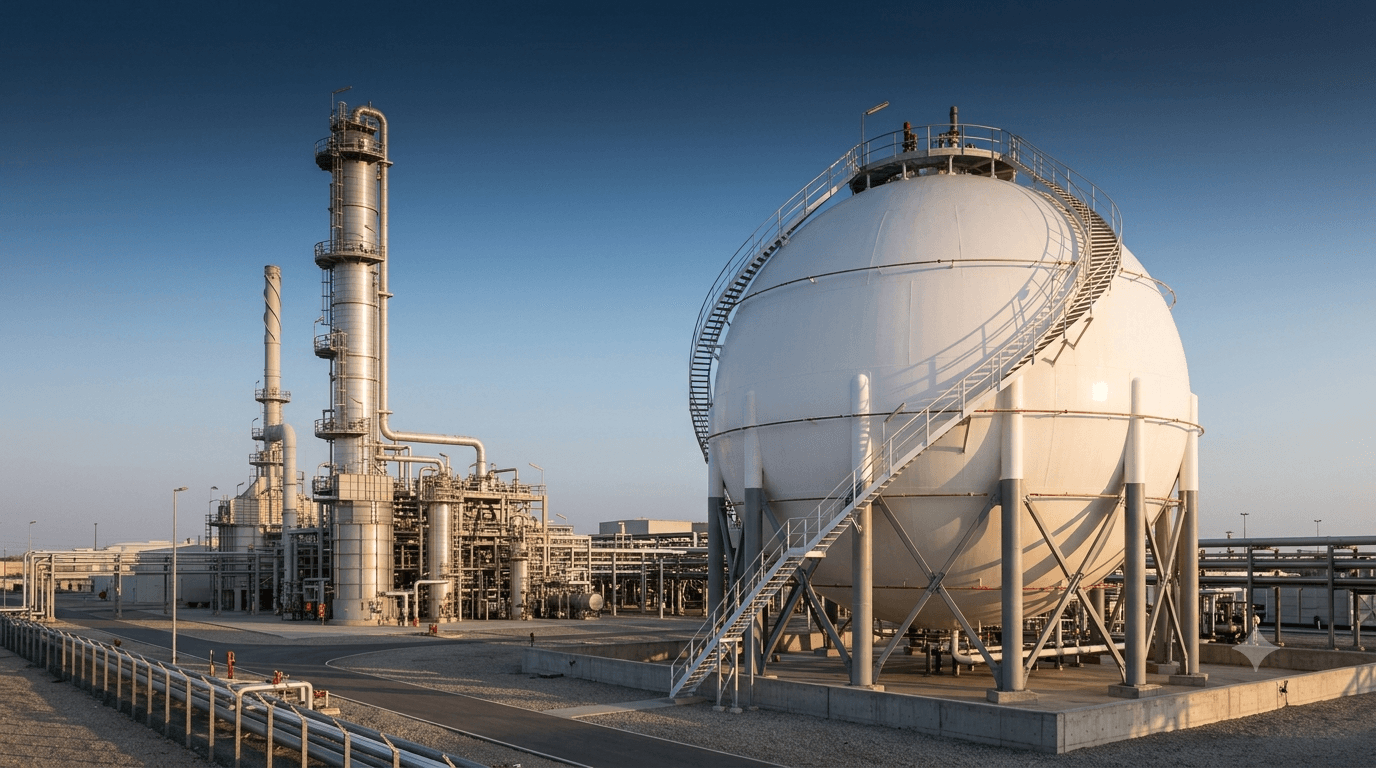
Infrastructure constraints—limited berth capacity, aging pipelines, and port congestion create bottlenecks downstream.
Commodity price swings—volatility in crude and chemical raw material markets can ripple through procurement budgets.
Cybersecurity threats—increasing incidents of ransomware and data breaches threaten supply chain visibility.
Regulatory shifts—emerging environmental standards and export controls add layers of compliance risk.
What Procurement Teams Should Monitor
To navigate this complex environment, procurement professionals should adopt a holistic monitoring framework that captures signals from multiple data sources:
Geopolitical intelligence feeds—track diplomatic developments, sanctions updates, and conflict escalation reports.
Port and logistics analytics—track berth utilization, turnaround times, and container congestion statistics.
Commodity price indices—analyze forward curves and spot market trends for key feedstocks.
Cyber threat intelligence—monitor ransomware activity, phishing campaigns, and cloud infrastructure vulnerabilities.
Regulatory watchlists—stay informed on emerging environmental regulations, carbon pricing mechanisms, and export control changes.
Strategic Procurement Responses
Armed with enriched data, teams can implement proactive measures to mitigate risk:
Build contingency inventories of critical`s feedstocks in strategic locations.
Negotiate multi‑source contracts that include flexible delivery windows and price‑stabilization clauses.
Parametro digital twins of the supply chain to simulate disruption scenarios and test response plans.
Invest in cyber‑insurance and robust endpoint protection for all logistics software.
Collaborate with port authorities and logistics partners to secure priority berthing and expedited customs clearance.
Balancing Short-Term Improvement with Long-Term Planning
Recent improvements in maritime operations are encouraging, but procurement strategies should distinguish between immediate operational recovery and long-term market stabilization.
Businesses should avoid assuming that:
Freight costs will normalize immediately.
Supply risks have disappeared.
Pricing will stabilize across all product categories.
Supply chains will return to pre-disruption conditions overnight.
Recovery often occurs gradually as multiple market factors improve together.
Opportunities for Chemical Buyers
Organizations that maintain disciplined procurement practices during periods of transition may benefit from:
Better supplier relationships
Improved sourcing flexibility
Stronger negotiating positions
Reduced operational disruption
More resilient inventory management
Rather than reacting to individual developments, successful procurement teams evaluate broader market trends before making significant purchasing decisions.
Looking Ahead
As maritime operations continue recovering, supply chain conditions are expected to improve progressively. However, broader market stability will depend on several interconnected factors, including transportation reliability, insurance costs, geopolitical developments, production capacity, and customer demand.
Companies that continue monitoring these indicators while maintaining diversified sourcing and flexible procurement strategies will be better positioned to manage uncertainty throughout the remainder of 2026.
Final Thoughts
The continuation of an elevated Hormuz risk assessment alongside improving convoy operations highlights an important procurement lesson: operational progress does not always eliminate structural risk. Chemical buyers should view current market conditions as a transition phase—one where logistics are improving but broader supply chain risks still require careful management.
Carboxy Methyl Cellulose CAS: 9004-32-4