
Introduction: The Cracked Globe Metaphor
The chemical market in 2026 resembles a globe fractured into two contrasting halves. One side glows brightly, illuminated by new opportunities and resilient supply chains. The opposite side is fractured, shrouded in uncertainty, and falling behind. This visual captures the stark divide between winners and losers in the global chemical trade.
Root Causes of the 2026 Supply Shock
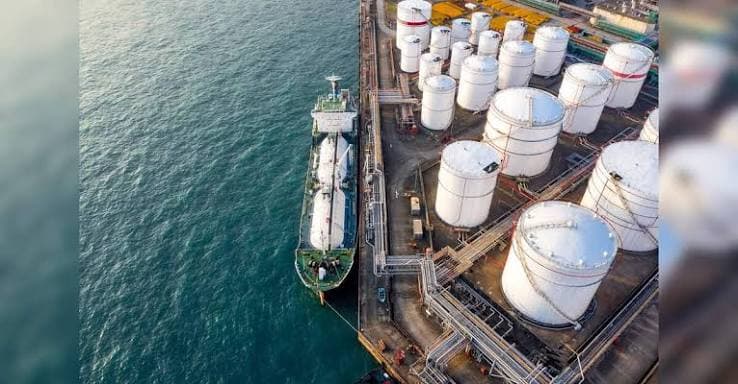
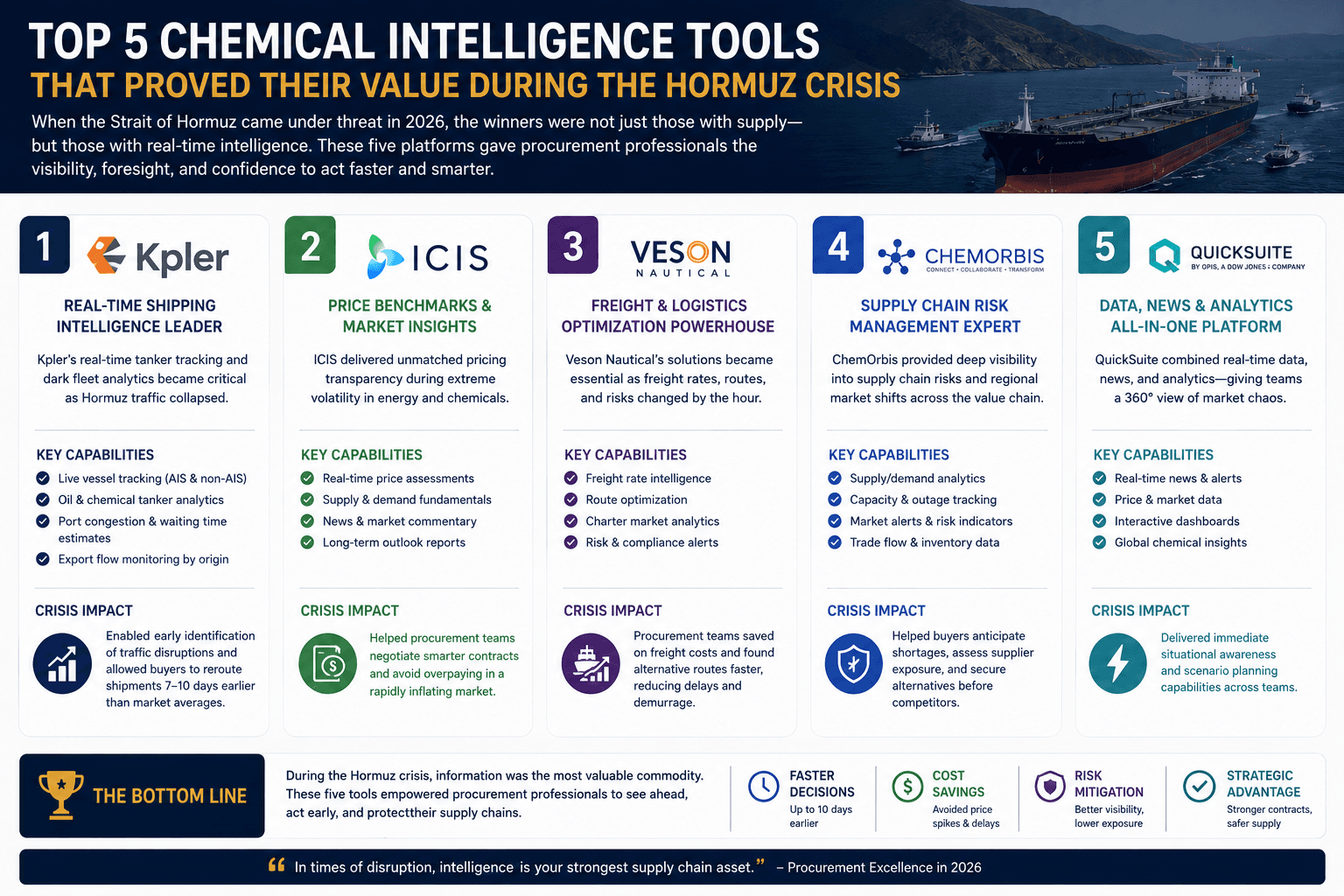
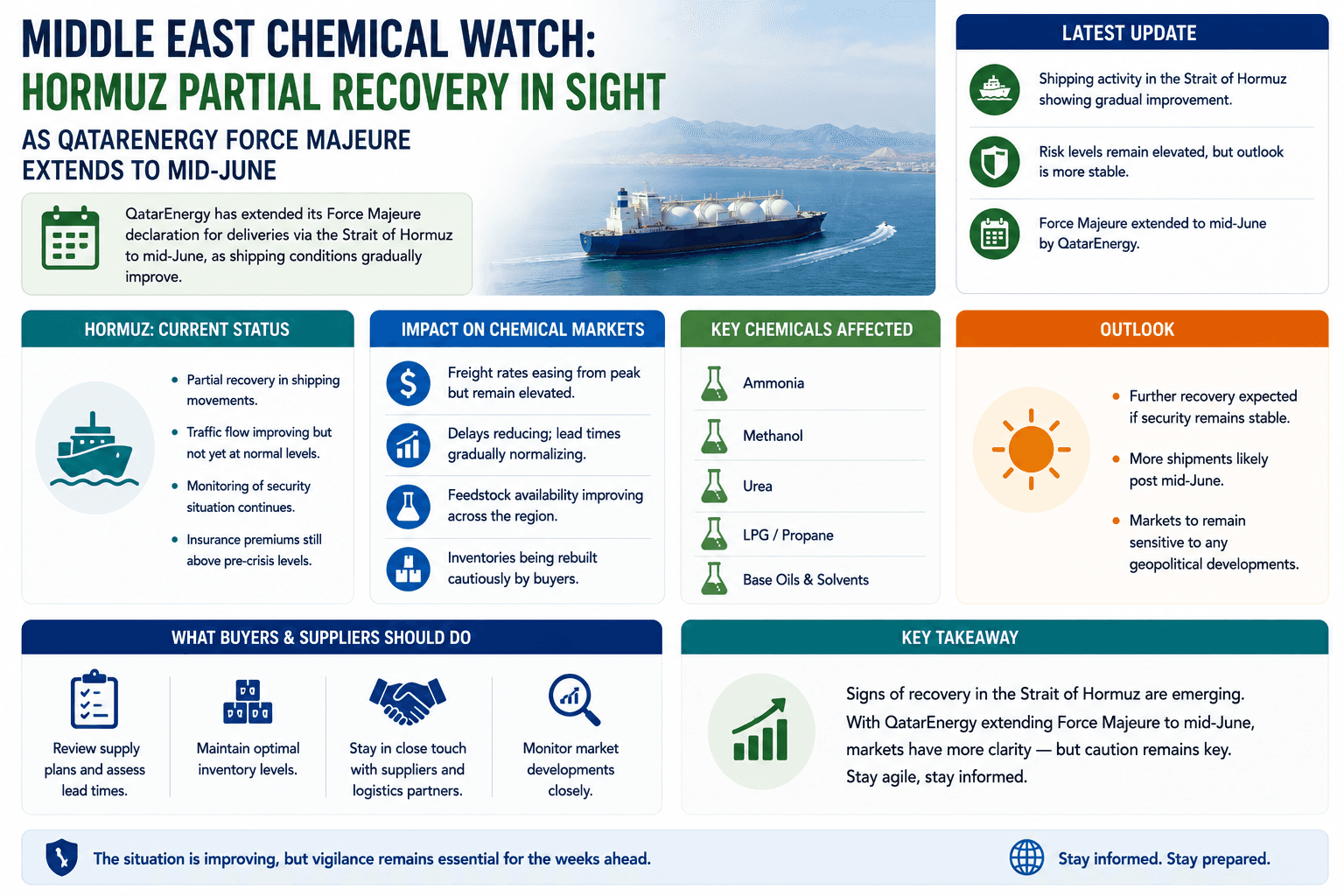
Hormuz Crisis: The strategic Strait of Hormuz, a vital chokepoint for crude oil exports, sparked a surge in oil prices. Higher feedstock costs have rippled through petrochemical production, amplifying price volatility.
Geopolitical Tensions: Escalating U.S.–China trade friction and sanctions on Russian petrochemicals further tightened supply chains.
Infrastructure Bottlenecks: Aging pipelines and storage facilities in key regions struggle to cope with increased demand, leading to frequent outages.
Demand Shifts: Rapid growth in renewable energy and electric vehicles has spurred demand for specialty chemicals and advanced polymers.
Impact on Major Market Segments
Petrochemical Trade
Petrochemical producers have faced a double‑hit: soaring feedstock prices and tighter export quotas. Companies that have diversified into low‑carbon feedstocks or invested in natural gas‑to‑olefins (GTL) technologies are positioned to gain a competitive edge.
Specialty Chemicals
Specialty chemicals, such as high‑performance polymers and additives, have benefited from a surge in demand for electronics, medical devices, and clean‑tech infrastructure. Firms that have secured long‑term contracts with semiconductor and battery manufacturers are now thriving.
US Chemical Producers
US producers enjoy a favorable mix of domestic demand and access to U.S. government subsidies for green chemistry. However, supply chain vulnerabilities—particularly in the pipeline network—limit their ability to scale rapidly.
Chinese Chemical Exports
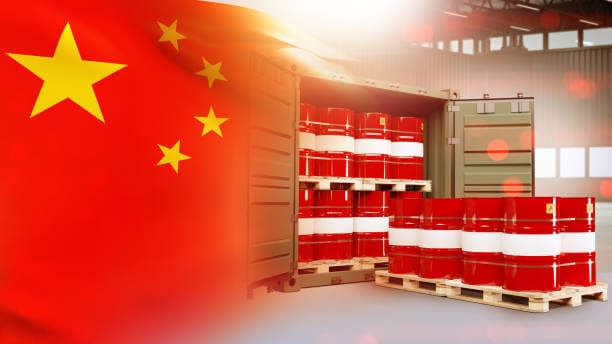
China’s chemical export sector has been hit hard by sanctions and reduced demand from key markets. Yet, companies that have pivoted to specialty chemicals and invested in advanced recycling technologies are carving out new growth avenues.
Strategies for Winners in the New Landscape
Supply Chain Resilience: Investing in diversified feedstock sources and building strategic reserves mitigates exposure to geopolitical shocks.
Technology Adoption: Automation, AI-driven predictive maintenance, and digital twins enhance operational efficiency and reduce downtime.
Product Diversification: Expanding into specialty chemicals and high‑margin segments cushions against commodity price swings.
Strategic Partnerships: Alliances with battery manufacturers, renewable energy firms, and logistics providers create stable revenue streams.
Challenges Facing the Losers
Companies heavily reliant on traditional petrochemicals and single-feedstock operations are struggling. Limited access to capital, outdated infrastructure, and a lack of flexibility in product lines make it difficult to adapt to the new market dynamics. Additionally, the inability to secure long-term contracts with high‑growth sectors further hampers growth prospects.