
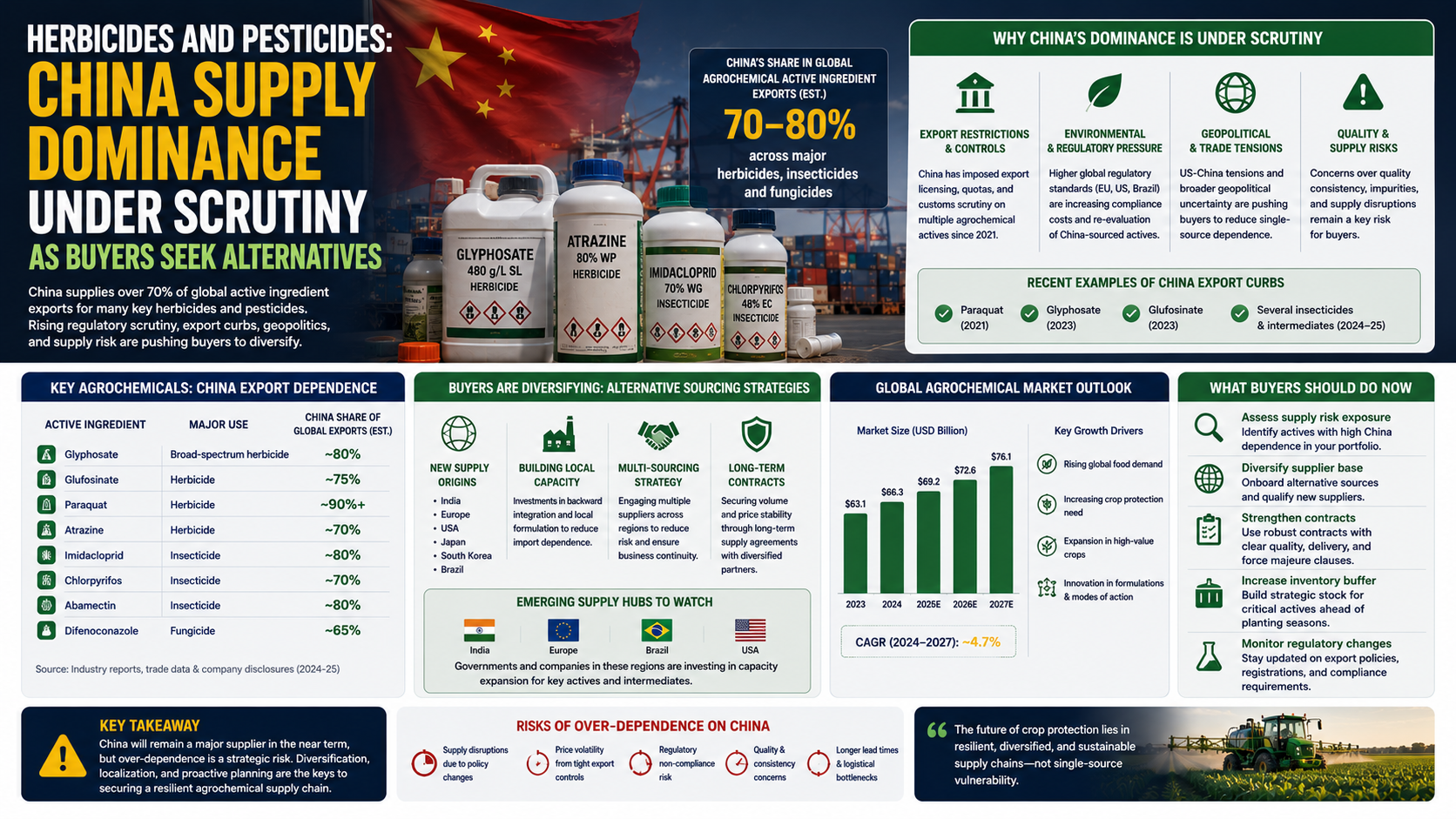
Calcium Hydroxide - China CAS: 1305-62-0
Calcium Hydroxide - China CAS: 1305-62-0
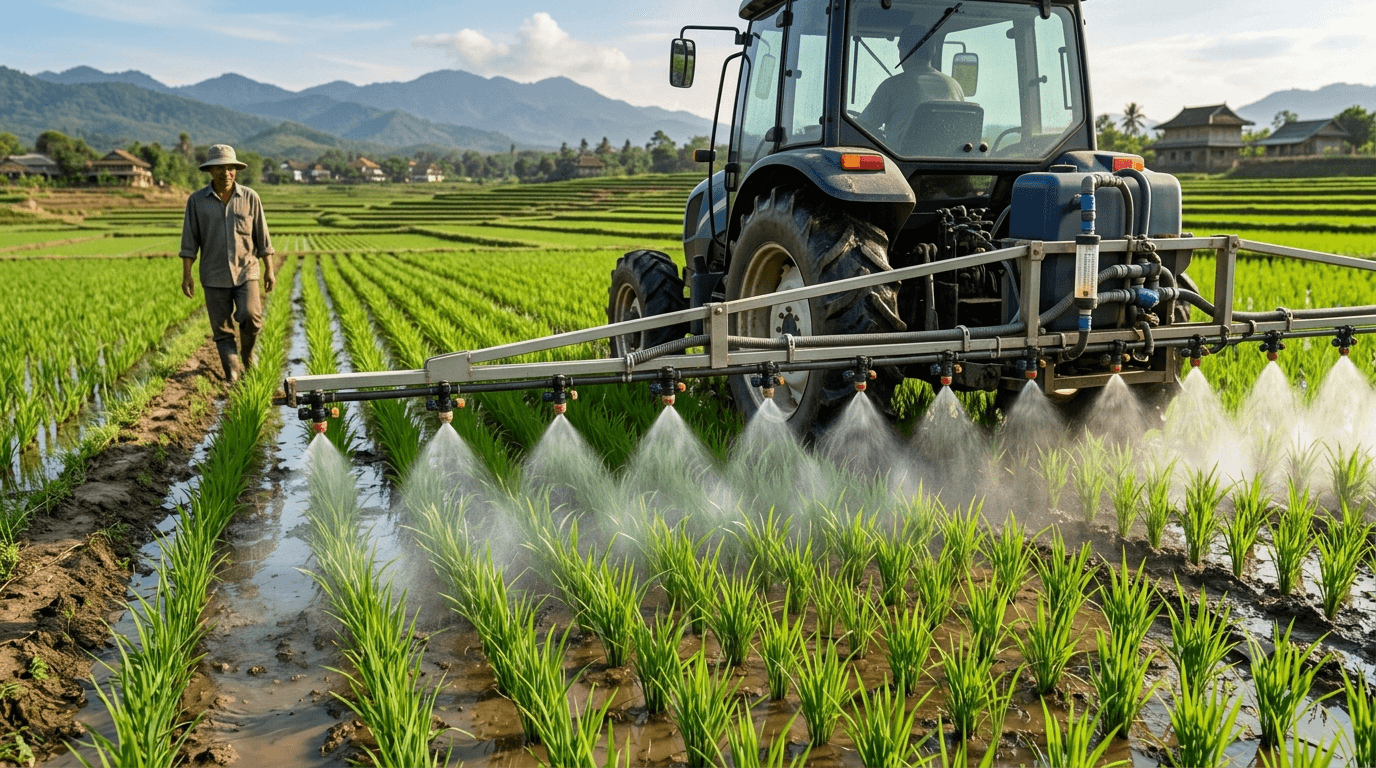
As Japanese chemical makers redirect investment from China to India across sectors like solar materials, agrochemical suppliers are watching whether a similar shift plays out in crop protection. For procurement teams managing fungicide, herbicide and insecticide portfolios, understanding whether this geographic pivot extends to agricultural chemicals matters for supply chain planning and sourcing strategy.
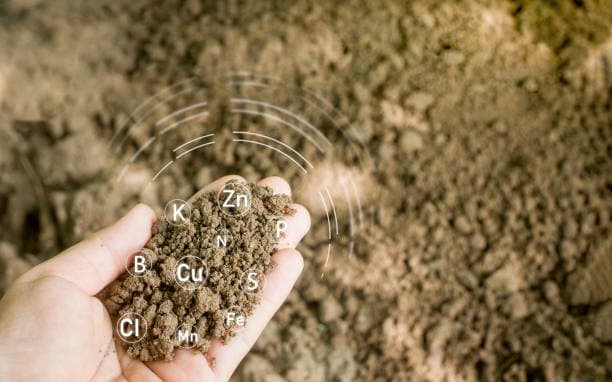
The EPA’s updated PFAS guidance reshapes how farmers use biosolids and fertilizers, influencing crop inputs and the broader food ingredient supply chain. Learn what it means for compliance, sourcing, and consumer safety.

This weekly brief highlights Gulf logistics recovery, structural helium constraints, rising GLP‑1 solvent demand, shifting polymer duties in India, and imminent EU regulatory updates. Procurement teams must adjust sourcing strategies to navigate these evolving risks and opportunities.

The destruction of a large portion of Iran's petrochemical infrastructure has transformed a temporary logistics disruption into a long-term supply challenge. Ethylene and propylene buyers across global markets now face structural sourcing adjustments as Iranian production recovery could take well over a year.
The Hormuz ceasefire agreement has improved sentiment, but supply chain conditions remain far from normal. Vessel congestion, mine clearance operations and production restart delays mean chemical buyers should maintain elevated inventory levels for now.
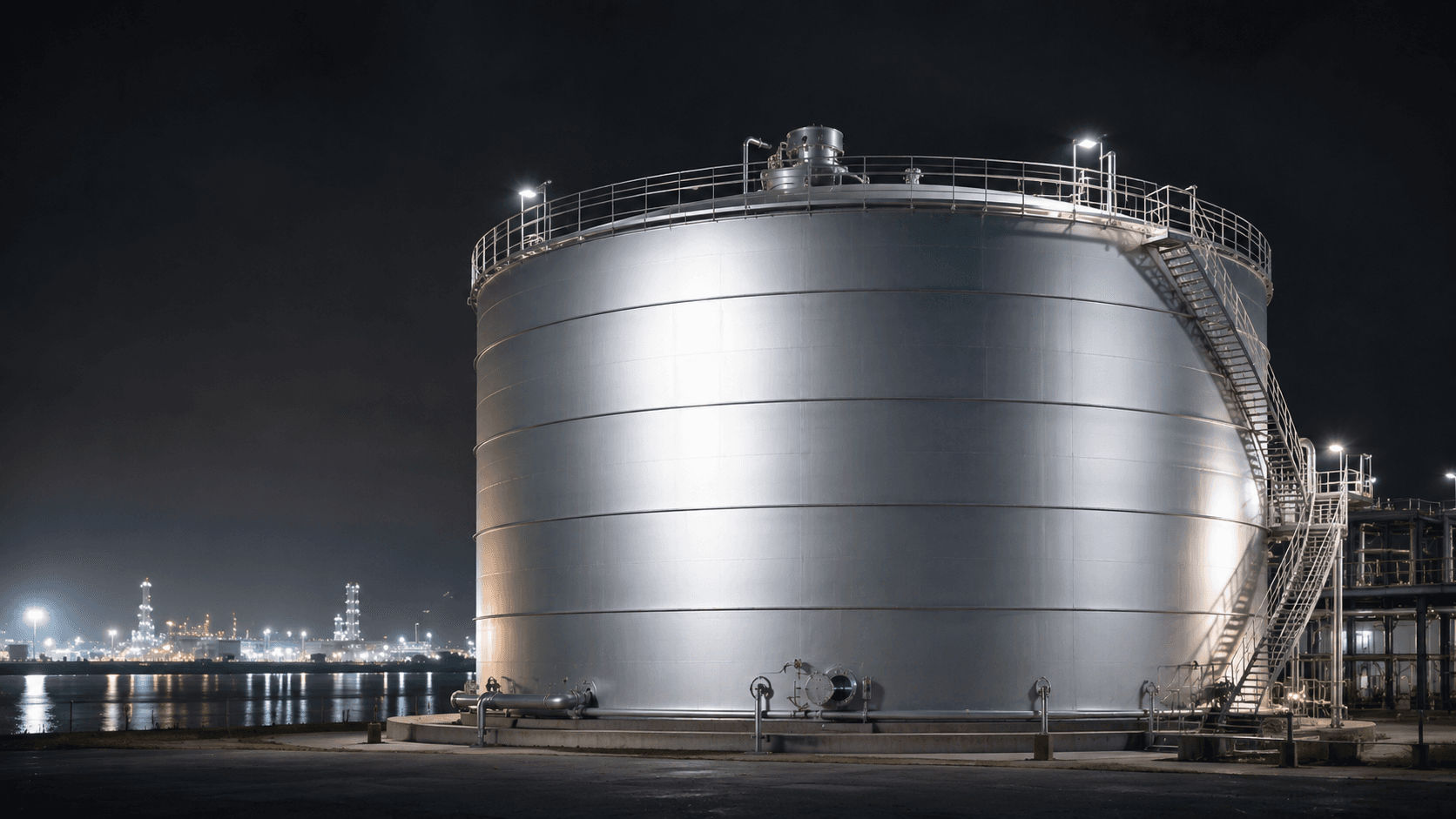
Naphtha markets remain under pressure as Japan relies on strategic reserves and South Korean producers declare force majeure across downstream contracts. Procurement teams across plastics and fibers face difficult sourcing decisions while waiting for post-ceasefire supply normalization.
We're committed to your privacy. Tradeasia uses the information you provide to us to contact you about our relevant content, products, and services. For more information, check out our privacy policy.