
Related Insights
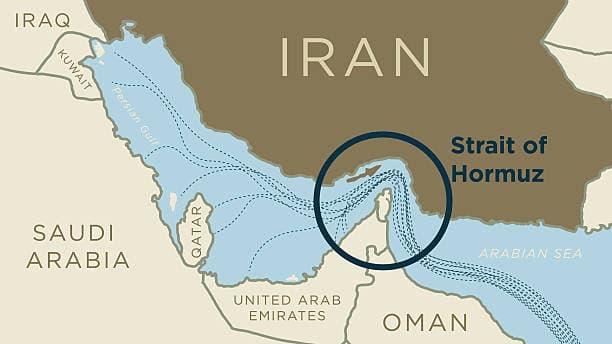
Fresh Clashes Near Hormuz Cut Ship Transits Again, Heightening Maritime Risk
The Strait of Hormuz has seen fresh clashes that are once again cutting vessel transits, disrupting the flow of chemicals and fertilizers. These tensions elevate freight risk and threaten the stability of the global supply chain.
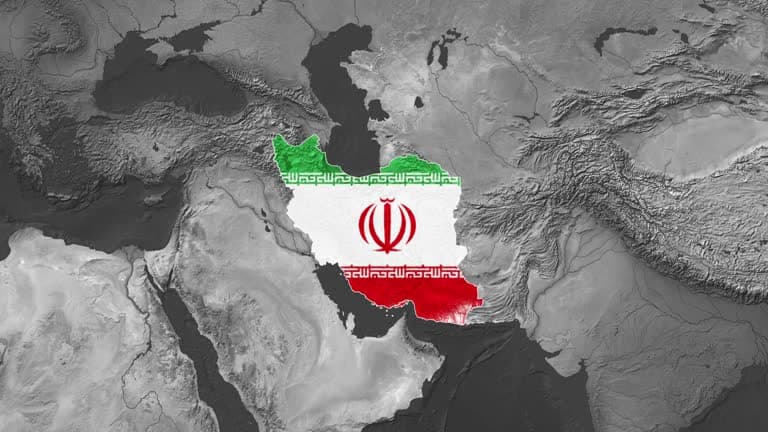
Iran's Hormuz Service Fees: A New Cost Layer for Gulf Chemical Trade
Iran’s proposed Hormuz transit fees could add $500–750 million annually to global chemical trade costs, creating a permanent landed‑cost increase for Gulf‑origin chemicals. This article analyzes the fee structure, its impact on petrochemical freight risk, and strategies for 2026 chemical procurement.

Taurine Supply Chain 2026: MEA Feedstock Trends and Procurement Outlook
Despite volatile monoethanolamine and ethylene oxide markets, taurine supply remains resilient. Chinese producers are offsetting feedstock pressures, offering stability for H2 2026. Supplement makers must reassess sourcing strategies to secure this dependable supply.

Heparin Q3 Supply Intelligence: Porcine Season, Freight Cost Trends & Procurement Priorities
China’s summer porcine processing season is maintaining a healthy heparin supply, while freight costs are easing. Hospital pharmacies and procurement teams can now focus Q3 planning on logistics, documentation, and future supply trends. This guide outlines key priorities for a secure and cost‑effective heparin supply chain.
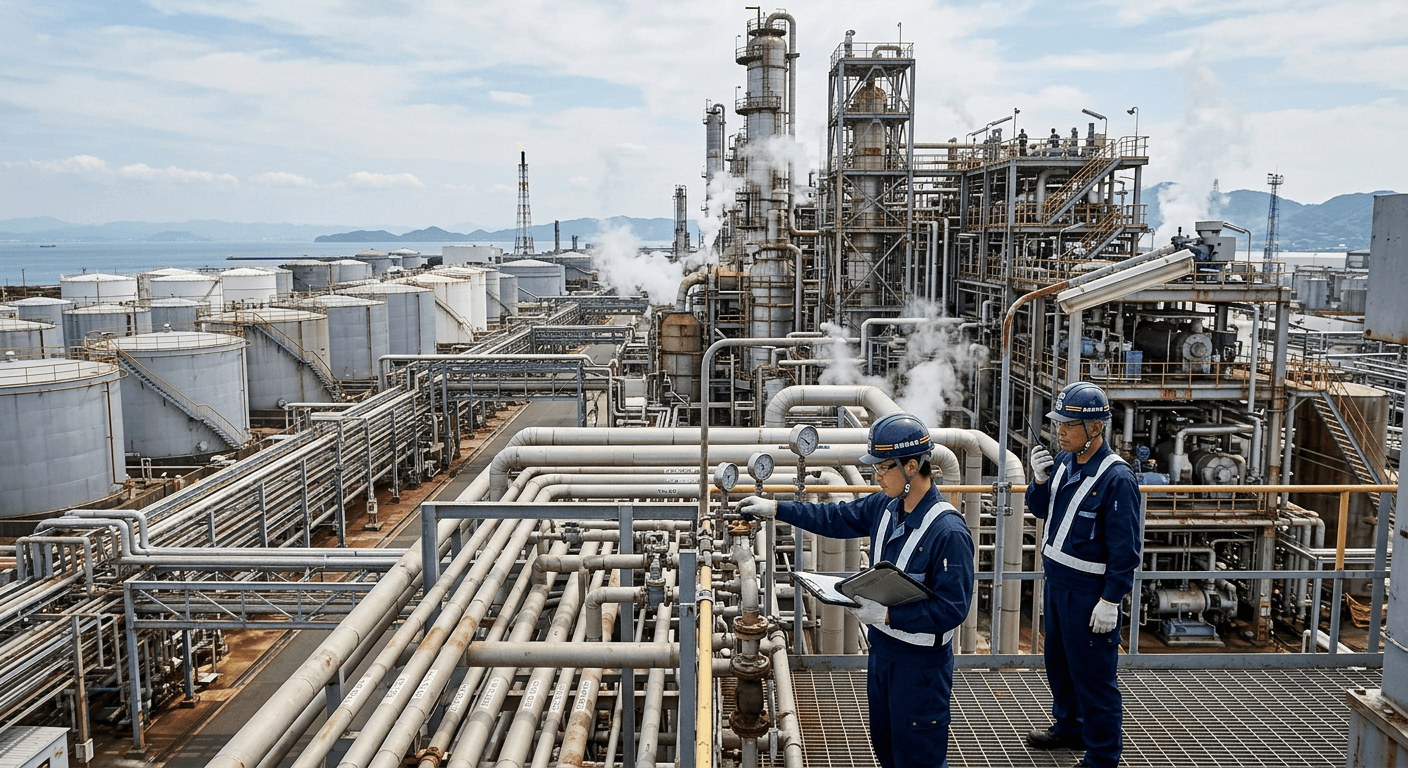
Methanol Supply Risk in Q3 2026: What Hormuz Shipping Data Means for Buyers
Methanol buyers are facing a critical Q3 planning challenge as Strait of Hormuz transit remains far below normal levels. Physical shipping data now matters more than diplomatic signals when assessing supply availability and pricing risk.
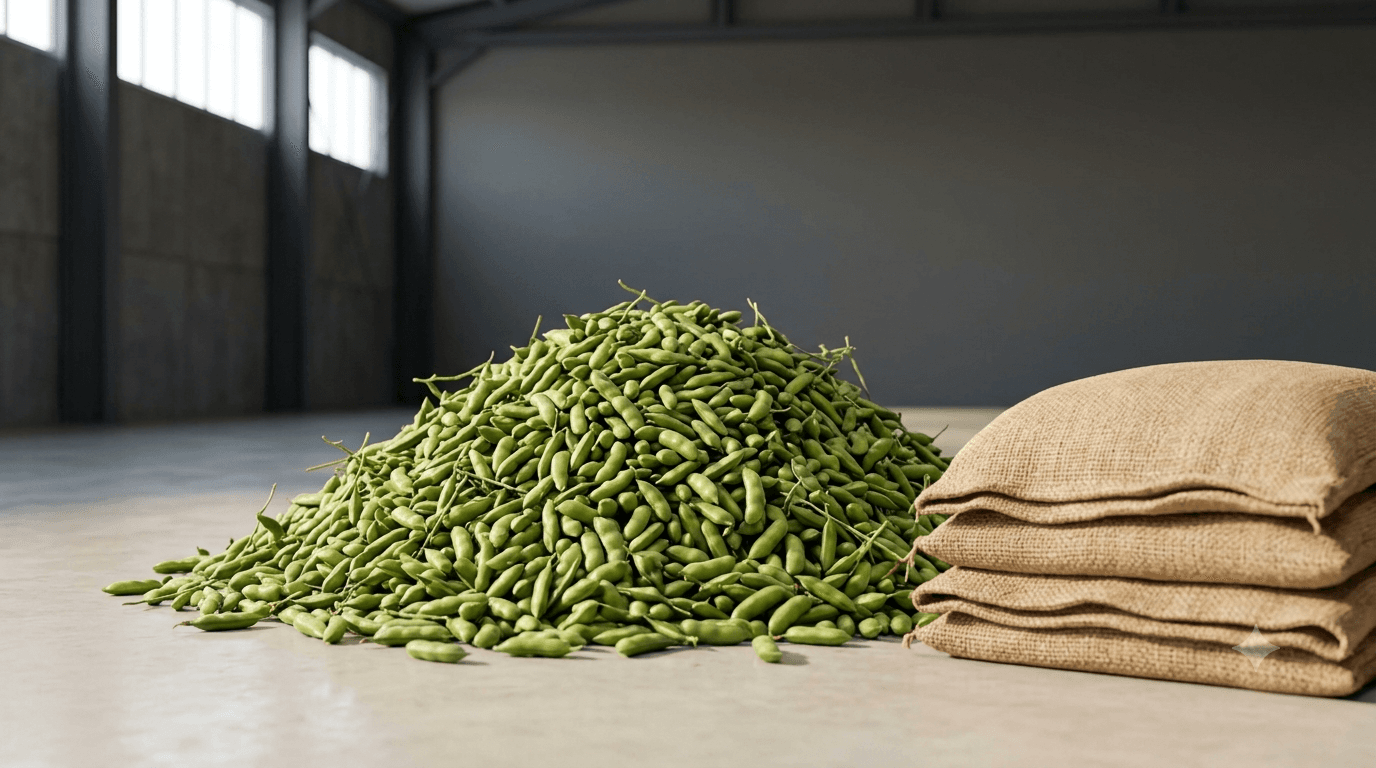
Guar Gum: Rajasthan Planting Intelligence and Implications for the 2026/27 Supply Season
The 2026 Rajasthan guar planting season will determine global guar gum availability for oilfield, food and industrial buyers over the coming year. Early monsoon progress has improved market sentiment, but rainfall distribution across key producing districts will decide whether procurement teams face abundant supply or tighter inventories.
Don't miss out on our updates! Subscribe to our newsletter now
We're committed to your privacy. Tradeasia uses the information you provide to us to contact you about our relevant content, products, and services. For more information, check out our privacy policy.