Why Purity Matters in Sodium‑Ion Battery Manufacturing
The performance of sodium‑ion batteries hinges on the quality of all input materials, especially the sodium hydroxide (NaOH) used in cathode synthesis and electrolyte formulation. Battery‑grade caustic soda must exceed 99.5% purity to avoid trace impurities that can poison active sites or degrade cycle life.
In cathode production, NaOH reacts with metal salts to form layered double hydroxides or sodium‑nickel‑cobalt‑manganese oxides. Even ppm levels of chloride, sulfate or carbonate can introduce electronic defects, lowering conductivity and shortening battery lifespan.
Advanced Semiconductor Processes and the Need for Ultra‑Pure NaOH
Beyond batteries, emerging semiconductor fabrication steps—such as anodic oxidation of silicon and metal‑oxide deposition—also require high‑purity sodium hydroxide. These processes are integral to producing next‑generation sensors and power electronics that will power electric vehicles and grid storage.
Hanwha Solutions: Securing the Supply Chain
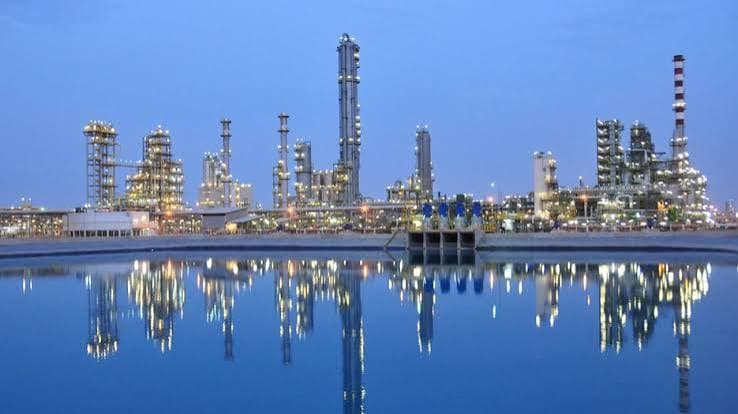
Recognizing the growing demand, Hanwha Solutions recently expanded its chlor‑alkali operations. This move ensures a reliable supply of battery‑grade caustic soda for both lithium‑ion purification and the nascent sodium‑ion battery value chain.
The company’s new capacity not only supports domestic battery producers but also positions it as a key partner for international players entering the sodium‑ion market.
Competitive Advantages of the Expanded Capacity
- Reduced lead times for battery manufacturers.
- Consistent purity levels that meet stringent electrochemical standards.
- Strategic geographic location to serve both Asian and global markets.
The Market Shift: Energy Storage vs. Traditional Industries
Traditionally, caustic soda demand has been dominated by pulp & paper, chemical production, and alumina refining. However, the rapid expansion of the battery chemicals market is reshaping the landscape.
Projected growth rates for sodium‑ion battery production outpace those of many conventional sectors, making it a direct competitor for caustic soda consumption.
Projected Demand Growth
- 2025: 5 % annual growth in sodium‑ion battery production.
- 2026: 7 % growth, driven by grid‑scale storage projects.
- 2027+: Stabilization at 4 % as technology matures.
Implications for the Electrochemical Industry
With a steady supply of ultra‑pure NaOH, battery manufacturers can focus on scaling up production without compromising quality. This reliability also encourages investment in:
- Research into higher‑capacity cathode chemistries.
- Development of solid‑state electrolytes that may further demand high‑purity bases.
- Expansion of production facilities in emerging markets.
Key Takeaways for Stakeholders
For suppliers, maintaining purity standards is paramount. For battery producers, securing long‑term contracts with providers like Hanwha Solutions mitigates supply risk. And for investors, the shift toward sodium‑ion technology signals a lucrative opportunity in the energy storage sector.
Conclusion
The intersection of high‑purity caustic soda and sodium‑ion battery technology marks a pivotal moment for the electrochemical industry. As demand for advanced battery materials surges, ensuring a reliable source of battery‑grade NaOH will be critical to sustaining growth and achieving performance targets.