Qatar’s Emerging Role in Gulf Chemical Trade
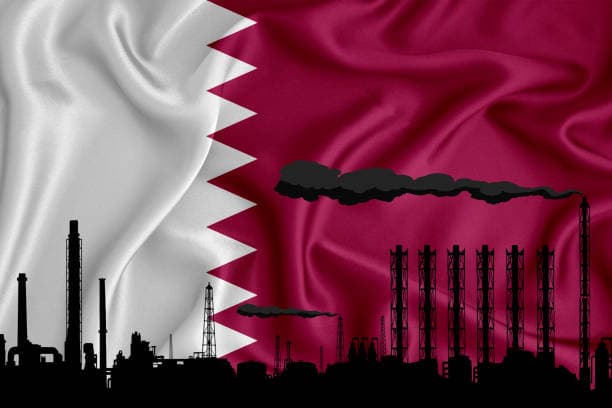
Qatar has long been recognized for its vast natural gas resources, but its influence extends far beyond energy. The country’s chemical exports now account for a growing share of global markets, driven by a combination of advanced infrastructure, strategic diplomacy, and financial leverage. As the Gulf’s most reliable supplier of ammonia and other feedstocks, Qatar is reshaping the dynamics of the regional fertilizer industry.
Qatar Chemical Exports: A Rising Trend
The export of chemical products from Qatar has experienced double‑digit growth over the past decade. Key drivers include the expansion of the QAFCO ammonia complex, the development of downstream petrochemical facilities, and an aggressive export strategy aimed at diversifying revenue streams. In 2023, Qatar’s chemical exports were valued at over $2.5 billion, reflecting a 12% increase from the previous year.
Key Product Lines
Ammonia – the cornerstone of fertilizer production.
Methanol and formaldehyde – essential intermediates for plastics and chemicals.
Ethylene and propylene – building blocks for polymer manufacturing.
The Strategic Importance of QAFCO Ammonia
QAFCO, Qatar’s largest ammonia producer, operates a complex that boasts a combined capacity of 1.4 million tonnes per year. This facility serves both domestic and export markets, ensuring a steady feedstock supply for the Gulf’s fertilizer plants. The company’s ability to maintain high production levels even during periods of global supply volatility is a testament to Qatar’s robust operational framework.
The ammonia produced at QAFCO is not only priced competitively but also benefits from a dedicated LNG pipeline that guarantees feedstock availability. This synergy between ammonia production and LNG supply is a critical element of Qatar’s chemical export strategy.
Frozen Iranian Funds: A Diplomatic Asset
In 2022, Qatar gained control over approximately $6 billion of Iranian funds that were frozen in international banks due to sanctions. This unprecedented financial leverage has positioned Qatar as a key intermediary in the region. By managing these funds, Qatar is able to influence trade flows and secure preferential terms for its chemical exports.
When combined with its diplomatic ties, the frozen Iranian funds act as both a financial shield and a bargaining chip. They enable Qatar to offer financing solutions to Gulf partners, thereby reducing/logging the cost of raw material procurement and fostering loyalty among regional suppliers.
LNG Supply Security: The Backbone of Chemical Production
Qatar is the world’s largest LNG exporter, supplying more than 20% of global LNG demand. The country’s LNG pipeline network extends across the Gulf, providing a reliable feedstock for chemical plants throughout the region. This dependable LNG supply ensures that chemical production can continue uninterrupted, even during times of geopolitical tension.
Moreover, LNG’s high purity and low sulfur content reduce the environmental footprint of downstream chemical processes. This aligns with the Gulf’s growing emphasis on sustainable practices and carbon‑neutral production cycles.
Impact on the Gulf Fertilizer Market
Ammonia, the core component of nitrogenous fertilizers, is the lifeblood of the Gulf’s agricultural sector. Qatar’s dominance in ammonia exports has directly translated into price stability across the fertilizer market. By controlling both the supply chain and the associated financial mechanisms, Qatar can mitigate price spikes that typically arise from genoic disruptions.
Furthermore, Qatar’s coordinated approach between LNG supply, ammonia production, and financial leverage has attracted new investment into the region. Several Gulf states have entered joint ventures with QAFCO, creating a network of shared resources and risk mitigation strategies.
Future Outlook: Sustaining Leverage in a Changing Landscape
Looking ahead, Qatar is poised to deepen its influence by expanding the QAFCOַל capacity and integrating renewable energy sources into its chemical processes. The nation is also exploring strategic partnerships with emerging economies in Asia and Europe, leveraging its frozen Iranian funds to secure long‑term contracts.
In addition, Qatar’s diplomatic engagement with Iran and other Gulf states will likely continue to shape regional trade policies. By maintaining a strong position in both the political and financial arenas, Qatar can ensure that its chemical exports remain a cornerstone of Gulf stability.
Qatar’s unique combination of chemical production prowess, LNG supply security, and control over frozen Iranian funds positions it as a decisive stabilizer in the Gulf fertilizer market. Its diplomatic leverage not only secures domestic growth but also fosters a resilient regional economy that can weather future shocks.
Ammonium Sulphate - China CAS: 7783-20-2