
Calcium Hydroxide - China CAS: 1305-62-0
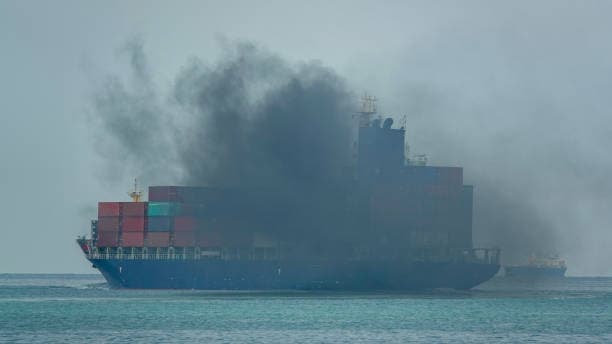
The fatal ADNOC tanker attack underscores the peril commercial vessels face. Beyond the tragic loss of life, such incidents ripple through safety protocols, crew welfare, insurance premiums, and chemical supply chains.
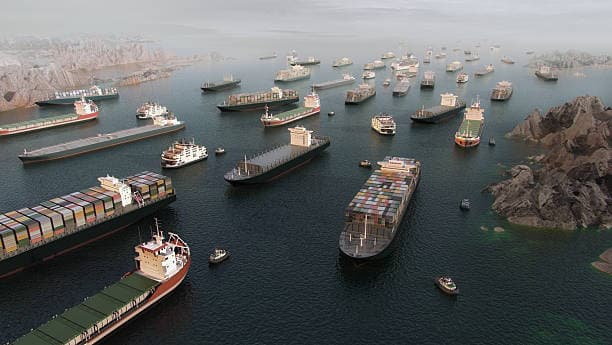
The 2024 Hormuz crisis exposed fragilities in global feedstock supply chains, spotlighting the resilience of post‑consumer recycled chemicals. This article explores how domestic circular feedstocks reduce procurement risk, advance sustainability, and strengthen the circular economy.
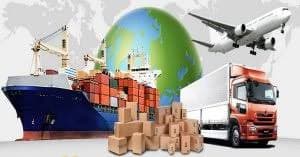
The widespread use of AIS-disabled "dark tankers" during the Hormuz crisis created new compliance and documentation challenges for global chemical supply chains. As escorted convoy operations expand, improved vessel traceability is becoming an important commercial advantage for buyers operating under strict regulatory and quality requirements.
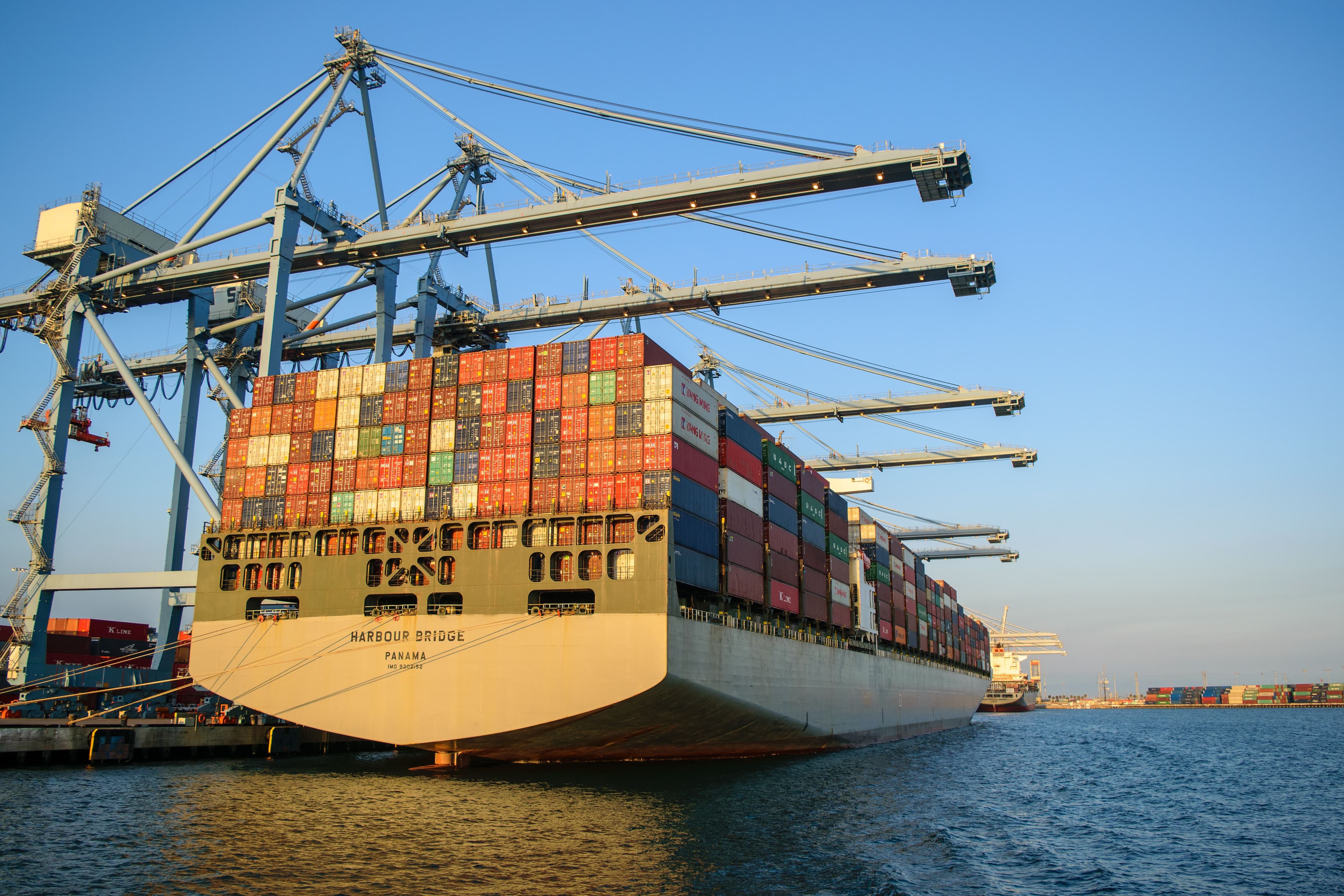
Methanol supply has remained active through recent Gulf disruptions, with AIS vessel tracking showing continued commercial movement. Buyers should separate headline risk from physical flow data when planning Q3 procurement.
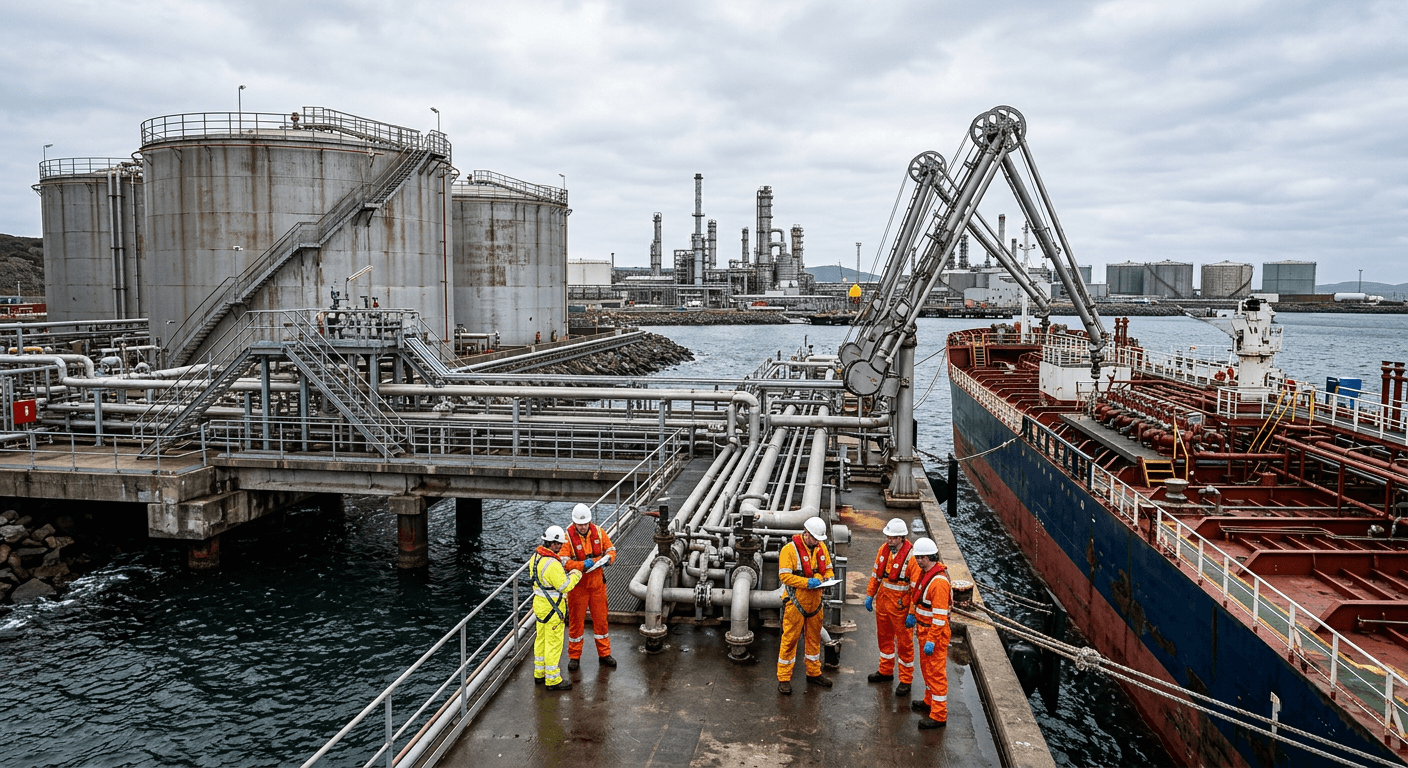
India’s chemical procurement market enters a new cost environment after the customs duty exemption ended on July 1. Buyers must now recalculate landed costs as duties return across key petrochemical raw materials.
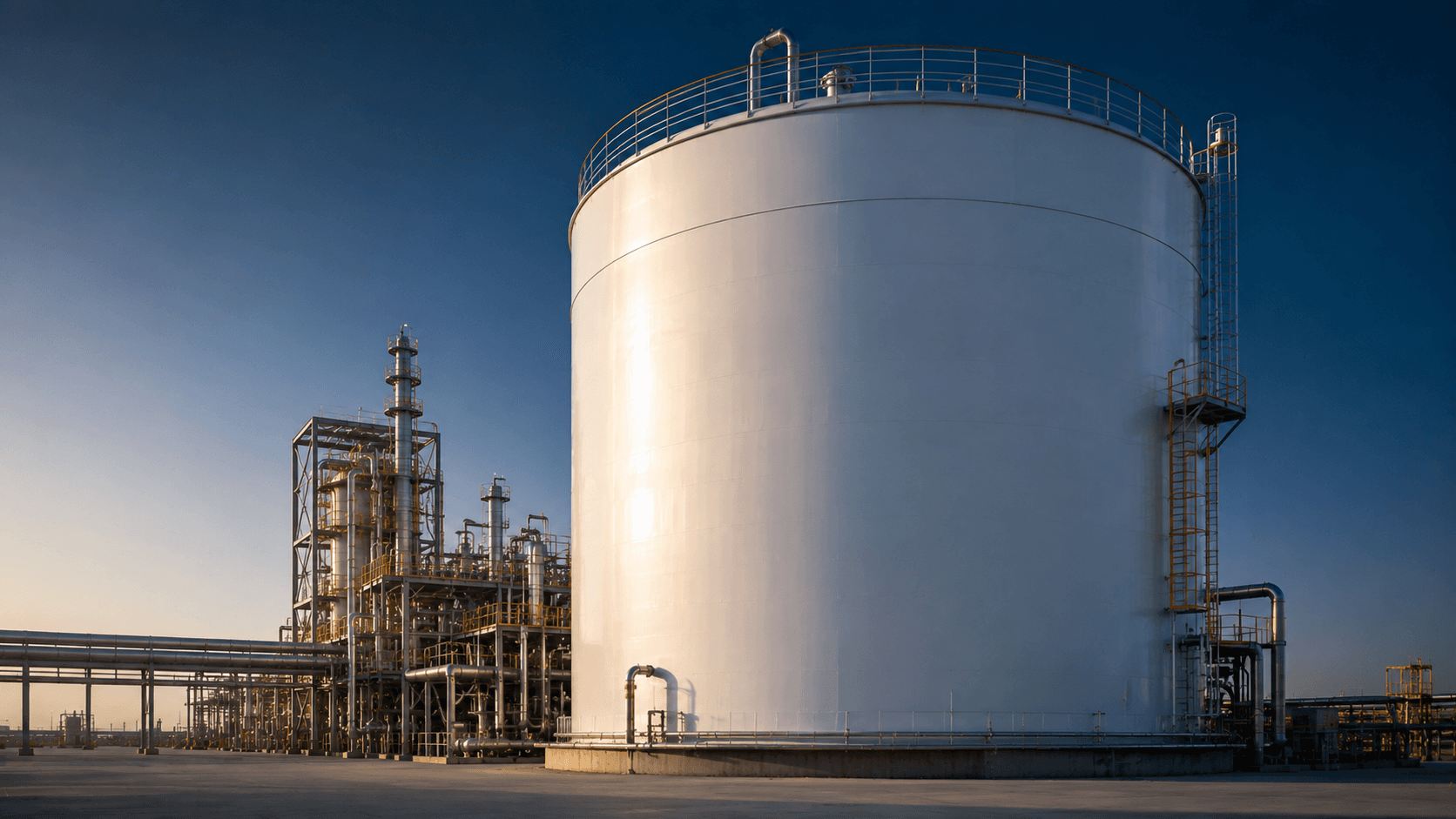
China's rapid expansion of PTA and PX capacity has reshaped the global polyester supply chain entering Q3 2026. While Gulf PX supply gradually returns, Chinese overcapacity continues to pressure export prices, creating new opportunities and challenges for buyers across Asia.
We're committed to your privacy. Tradeasia uses the information you provide to us to contact you about our relevant content, products, and services. For more information, check out our privacy policy.