
Related Insights
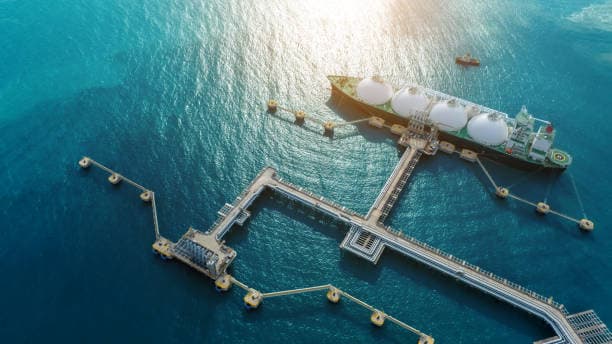
Natural Gas Trade Flows Stay Calm as Oil Markets Turbulent
While oil prices swing wildly, natural gas trade remains relatively steady. Analysts point to long‑term contracts, robust LNG logistics, and diversified supply chains as key stabilizers. This article explains why gas markets are weathering oil volatility and geopolitical tension.

Japan's China Fatigue: Why Chemical Makers Are Redirecting Investment to India
Japanese chemical manufacturers are shifting investment away from China toward India after years of deepening engagement in Chinese markets. The pivot centers particularly on solar materials and reflects broader frustrations with operating conditions in China that procurement teams managing Asian supply chains must understand as sourcing patterns reshape across the region.
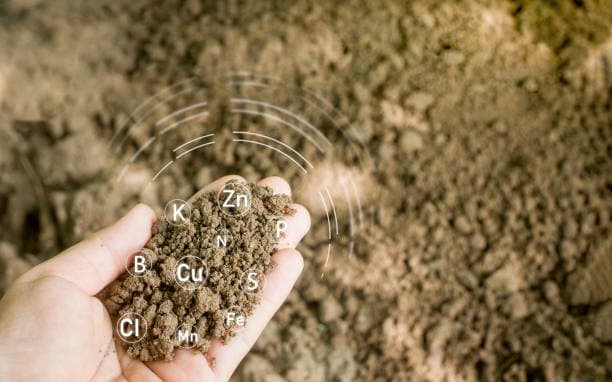
EPA's New PFAS Guidance: Impact on Biosolids, Fertilizer, and the Food Chain
The EPA’s updated PFAS guidance reshapes how farmers use biosolids and fertilizers, influencing crop inputs and the broader food ingredient supply chain. Learn what it means for compliance, sourcing, and consumer safety.

Global Chemical Production: What the IMF's 2026 Regional Economic Outlook Means for Chemical Supply Chains
The IMF's April 2026 Regional Economic Outlook highlights the strategic importance of the Strait of Hormuz to global oil, helium, sulfur, ammonia and petrochemical feedstock flows. Chemical procurement teams can use this multilateral data to strengthen supply chain risk assessments and executive decision making.
IMO's 49 Incidents: The Definitive Safety Record and What It Means for Chemical Tanker Risk
The International Maritime Organization has confirmed 49 security incidents across Hormuz and the Persian Gulf as of June 30, creating the most comprehensive official risk dataset of the 2026 shipping crisis. For chemical tanker operators and cargo buyers, this record now defines insurance underwriting and shipping risk calculations for H2 2026.

Pakistan Country Watch: Recovery Trajectory and July Chemical Procurement Conditions
Pakistan enters July 2026 with improving chemical import conditions supported by lower crude prices, recovering Gulf logistics and easing freight costs. However, foreign exchange constraints and trade finance remain the defining commercial risks for international suppliers.
Don't miss out on our updates! Subscribe to our newsletter now
We're committed to your privacy. Tradeasia uses the information you provide to us to contact you about our relevant content, products, and services. For more information, check out our privacy policy.