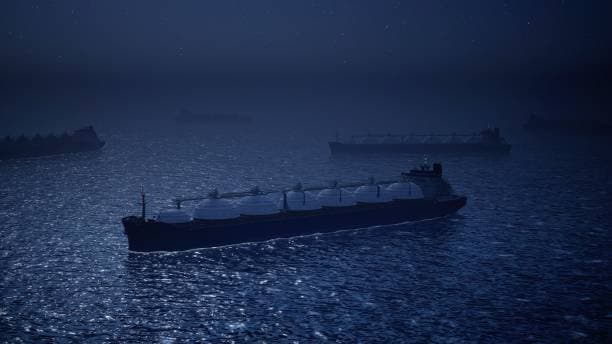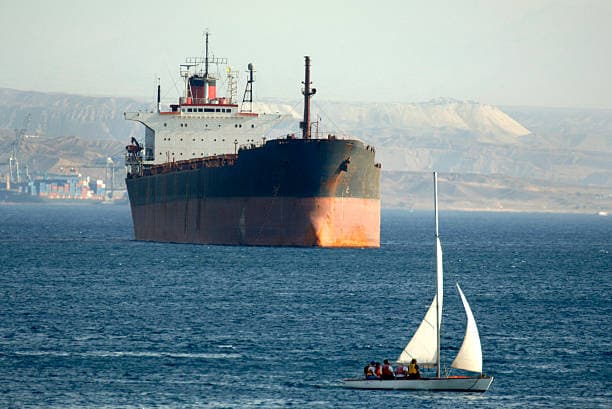
The 2026 Hormuz crisis has escalated maritime danger beyond the narrow strait, and specialty chemical shippers are feeling the shock. The March 18 fire on the Palau‑flagged tanker Parimal and the May 7 strike on the Chinese‑owned JV Innovation are the first clear examples that vessel nationality no longer guarantees safety.
Parimal Tanker Attack
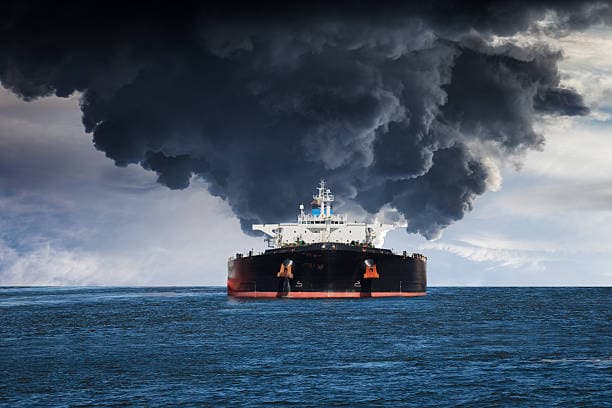
Struck east of Khor Fakkan, the Parimal caught fire after a suspected hostile act. The blaze forced 15 crew members to abandon ship and seek refuge on a nearby Cook Islands‑flagged vessel. Rescue operations were hampered by the remote location and the incomplete status of the vessel’s captain.
Impact on Cargo and Crew
Specialty chemicals such as solvents, monomers and acids are highly flammable. The fire not only threatened the crew’s safety but also posed a serious environmental risk. The incident highlighted that cargo characteristics amplify the danger of a maritime attack.
JV Innovation: The First Chinese‑Owned Strike
Until now, China’s non‑combatant stance seemed to provide a shield for its shipping fleet. The May 7 attack shattered that belief. The vessel was hit by a missile in the Gulf of Oman, and the attack resulted in a loss of propulsion and a temporary loss of power to the cargo pumps.
Strategic Implications
Nationality is no longer a moat. Whether a tanker is Palau‑flagged, Cook Islands‑flagged, or Chinese‑flagged, it can become a target when operating near conflict zones.
Risk Landscape for Specialty Chemical Shipping
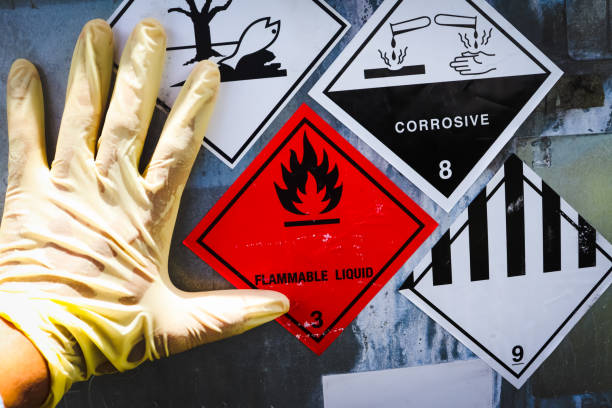
High‑value, highly volatile cargoes are now more vulnerable. The combination of:
Flammable or corrosive cargoes
Long transit times through contested waters
Limited salvage capacity in remote regions
creates a perfect storm for maritime losses.
Gulf of Oman Routes: A New Front
Historically, risk was concentrated in the Strait of Hormuz. The Parimal incident proved that attacks can spill over into the Gulf of Oman’s approach routes. Shipping companies must now consider:
Alternative routing via the Persian Gulf’s western side
Enhanced escort or convoy arrangements
Real‑time intelligence feeds on hostile activity
Mitigation Strategies for Chemical Shippers
To navigate the new threat environment, logistics planners should adopt a multi‑layered approach:
Risk‑based routing – Avoid high‑risk corridors when possible.
Security partnerships – Engage with naval forces or private security firms for escort services.
Insurance recalibration – Update coverage limits and deductibles to reflect current risk levels.
Cargo handling protocols – Implement stricter segregation and secure containment measures.
Crew training – Ensure crews can respond to fire and chemical spills under duress.
The Parimal tanker fire and the JV Innovation strike are stark reminders that specialty chemical shipping is now operating in a high‑risk environment. Vessel nationality offers little protection, and routes out of the Gulf of Oman must be re‑evaluated. By integrating advanced risk assessment, strategic routing, and robust security measures, shippers can safeguard their assets and maintain continuity in the face of evolving maritime threats.
Methanol CAS: 67-56-1