
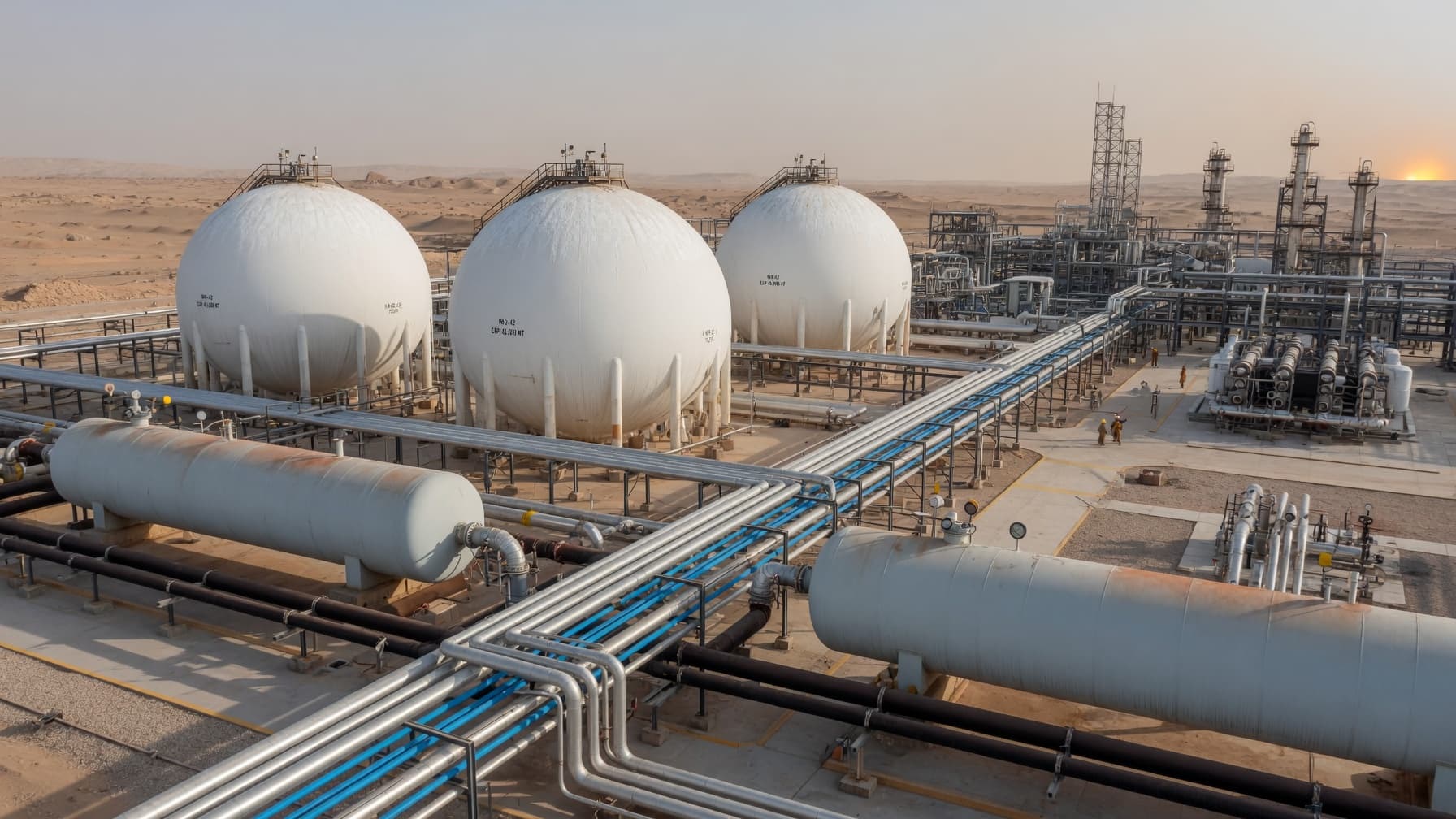
Global chemical demand is entering a structural reordering that will define procurement strategies through 2035. The chemical demand outlook by industry shows a widening gap between high velocity growth sectors and legacy chemical markets losing industrial relevance.
Battery materials, semiconductors and agrochemicals now dominate incremental demand growth. Meanwhile, traditional lubricant and fuel linked chemicals face long term contraction. This shift is not cyclical. It reflects deep changes in energy systems, digital infrastructure and food production models.
For procurement teams, this means supplier selection must align with industry specific trajectories rather than historical consumption patterns.
Industry supercycle reshaping global chemical consumption patterns
The current chemical supercycle is defined by three forces: electrification, digitalization and resource pressure. These forces are reshaping how chemicals are produced, traded and consumed across industries.
Growth is no longer evenly distributed. Instead, it concentrates in sectors tied to energy transition and advanced manufacturing.
Key structural drivers include:
Electrification of transport systems increasing demand for advanced battery chemistries
Expansion of AI infrastructure driving semiconductor grade chemical consumption
Rising food demand pushing fertilizer and crop protection usage
At the same time, efficiency improvements reduce demand in older chemical applications. Engine oils, fuel additives and certain solvents are experiencing structural decline due to substitution and regulatory pressure.
This creates a dual-speed chemical economy where growth and contraction coexist within the same supply chains.
Battery and energy materials defining the fastest chemical expansion
Battery and energy materials represent the most aggressive growth segment in the chemical demand outlook by industry. Growth rates between 25 and 70 percent CAGR reflect the scale of electrification across mobility and grid systems.
This segment includes electrolyte salts, binders, separators and precursor chemicals used in lithium based battery systems. Demand is heavily concentrated in Asia but increasingly global due to EV manufacturing expansion.
Key demand drivers:
EV adoption accelerating across China, Europe and emerging markets
Grid storage expansion to stabilize renewable energy supply
Localization policies encouraging domestic battery supply chains
Ultra high purity requirements significantly increase production complexity. Even minor contamination in electrolyte or solvent systems can reduce battery efficiency and lifecycle performance.
Procurement teams increasingly prioritize:
Supplier certification and traceability systems
Long term fixed supply agreements
Multi source redundancy to reduce geopolitical exposure
Battery chemicals now function as strategic industrial inputs rather than commodity materials.
Semiconductor and AI infrastructure chemicals driving high value demand
Semiconductor manufacturing continues to reshape high value chemical demand. Growth rates of 15 to 20 percent CAGR reflect increasing chip complexity and rising AI workloads.
Ultra pure gases, photoresists, etching chemicals and electronic grade solvents form the backbone of this segment. Manufacturing requires extreme precision where contamination at parts per billion levels can cause wafer failure.
Critical chemical categories include:
High purity acids used in wafer cleaning and etching
Fluorinated gases for deposition and plasma processes
Specialty solvents for lithography and patterning
AI infrastructure expansion amplifies this demand. Data centers require advanced chips with higher transistor density, increasing chemical intensity per wafer.
Procurement complexity rises due to:
Strict certification requirements across fabs
Long qualification cycles for new suppliers
Regional concentration of production capacity
This creates a highly consolidated supply environment where a small number of producers dominate global output.
Agrochemicals anchoring long term global volume demand
Agrochemicals remain the largest volume driver in global chemical demand through 2035. With growth projected from USD 251.4 billion in 2026 to USD 346.7 billion in 2033, the sector provides structural stability to chemical trade flows.
Fertilizers and crop protection chemicals support global food production systems under rising population pressure. Yield optimization remains essential as arable land expansion slows globally.
Key demand factors include:
Population growth increasing global food consumption
Climate volatility requiring higher crop resilience inputs
Soil nutrient depletion requiring replenishment cycles
Nitrogen based fertilizers such as ammonia and urea remain central to this segment. Phosphate and potash demand also remains stable due to soil chemistry requirements.
Supply chains remain highly sensitive to:
Natural gas pricing fluctuations affecting nitrogen fertilizer economics
Export restrictions from major producing countries
Seasonal demand cycles tied to planting seasons
Agrochemicals provide baseline demand stability even during industrial downturns, making them essential for long term producer planning.
Water treatment and regulatory expansion shaping steady chemical demand
Water treatment chemicals show steady mid single digit growth driven by environmental regulation and industrial reuse systems. The market is expected to rise from USD 40.2 billion in 2025 to USD 48 billion by 2030.
This segment includes coagulants, flocculants, disinfectants and corrosion inhibitors used across municipal and industrial systems.
Key growth drivers include:
Industrial wastewater treatment requirements in manufacturing hubs
Municipal infrastructure upgrades in rapidly urbanizing regions
Recycling mandates for water intensive industries

Personal care and construction chemicals tied to demographic cycles
Personal care chemicals continue to expand steadily, supported by urbanization and rising consumer spending in emerging markets. Growth toward USD 32.3 billion by 2033 reflects stable demand for surfactants, emollients and formulation additives.
This segment remains less volatile than industrial chemicals but responds quickly to regulatory changes on product safety and ingredient transparency.
Construction chemicals follow cyclical infrastructure investment patterns. Recovery is expected from 2027, driven by housing demand and urban redevelopment in key economies.
Key construction applications include:
Concrete admixtures for structural performance improvement
Sealants and adhesives for modular construction systems
Waterproofing chemicals for infrastructure durability
Demand remains closely linked to macroeconomic cycles and interest rate environments, making forecasting more complex for suppliers.
Automotive transformation and structural decline in legacy chemical segments
The automotive industry is undergoing one of the most significant chemical demand transitions. Internal combustion engine related chemicals are declining while EV related materials expand rapidly.
Traditional lubricants and fuel additives face long term contraction due to EV adoption and improved engine efficiency.
Emerging demand areas include:
Thermal management fluids for battery systems
High performance polymers for lightweight vehicle design
Specialty coatings for corrosion and heat resistance
At the same time, MTBE and selected solvent markets continue to shrink due to environmental regulation and fuel substitution trends.
Key structural changes include:
Reduced lifecycle demand for engine oil products
Increased demand for high durability EV materials
Shift from hydrocarbon based to functional performance chemicals
This transition forces suppliers to reposition portfolios toward high value specialty applications rather than volume driven commodity chemicals.

Declining legacy chemical segments and portfolio restructuring pressure
Certain chemical categories are entering long term decline due to structural substitution and regulatory constraints. These declines are gradual but persistent, reshaping global trade flows.
MTBE demand continues to fall as fuel oxygenation requirements shift. Traditional solvent markets linked to combustion engines are also shrinking due to environmental regulations.
Key declining segments include:
Fuel additives such as MTBE
Conventional engine lubricants
Select aromatic solvents replaced by safer alternatives
Producers in these segments are increasingly diversifying into specialty chemicals, green chemistry and high performance materials to offset declining volumes.
The transition requires capital reallocation toward innovation intensive segments rather than volume expansion strategies.
What procurement teams need to align with through 2035
Procurement strategies must adapt to a fragmented demand environment where growth is concentrated in fewer but more complex chemical categories.
Successful procurement frameworks will focus on:
Long term contracts for battery and semiconductor chemicals to secure supply continuity
Multi sourcing strategies in agrochemicals to reduce geopolitical exposure
Regulatory aligned sourcing for water treatment and specialty chemicals
Risk management becomes central as supply chains tighten around purity requirements and regional production clusters. Pricing will increasingly reflect technological complexity rather than raw material cost alone.

Ammonia Anhydrous CAS: 7664-41-7