
Dicalcium Phosphate CAS: 7757-93-9
Dicalcium Phosphate CAS: 7757-93-9
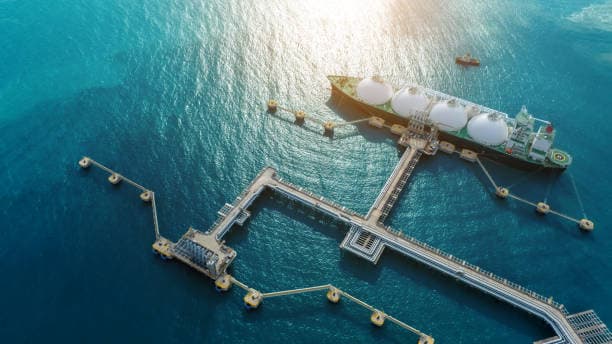
While oil prices swing wildly, natural gas trade remains relatively steady. Analysts point to long‑term contracts, robust LNG logistics, and diversified supply chains as key stabilizers. This article explains why gas markets are weathering oil volatility and geopolitical tension.

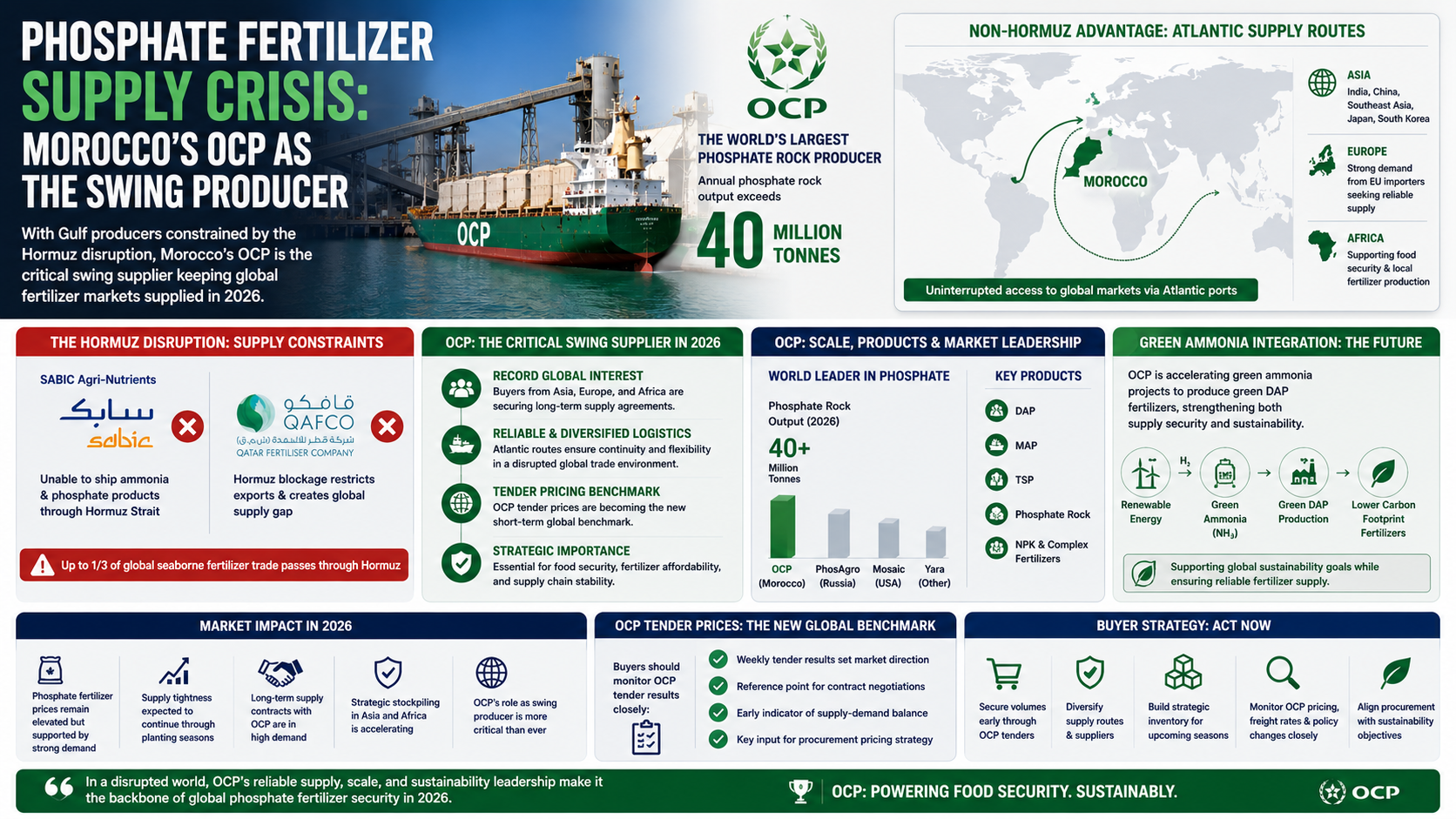
Geopolitical tensions are disrupting more than oil and gas markets. Helium and fertilizer supply chains are also under pressure, making procurement planning increasingly important for manufacturers, distributors and agricultural suppliers.

Hospital pharmacies are entering H2 2026 with improving supply conditions after months of inventory pressure. Q3 is expected to become the largest pharmaceutical chemical restocking period since before the Hormuz crisis.
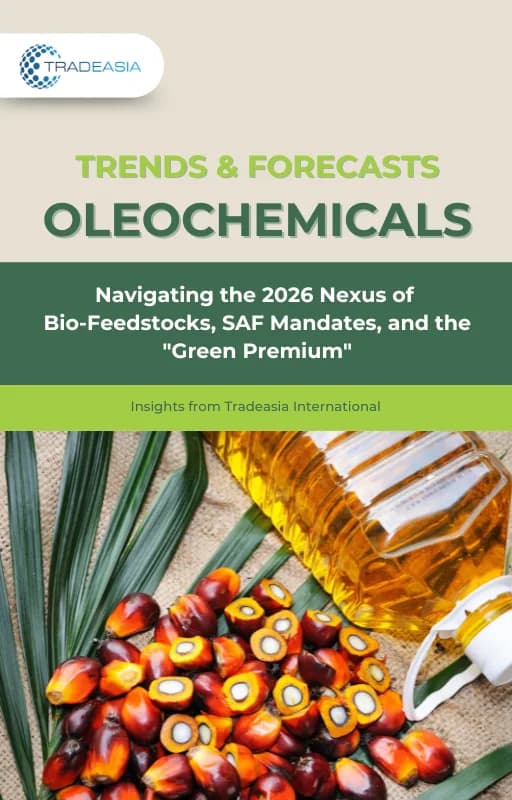
China became the world's swing supplier during the Hormuz crisis, filling global supply gaps across commodity and specialty chemicals. As Gulf exports recover in H2 2026, Beijing is strengthening domestic chemical manufacturing while international buyers shift toward balanced multi-origin sourcing strategies.
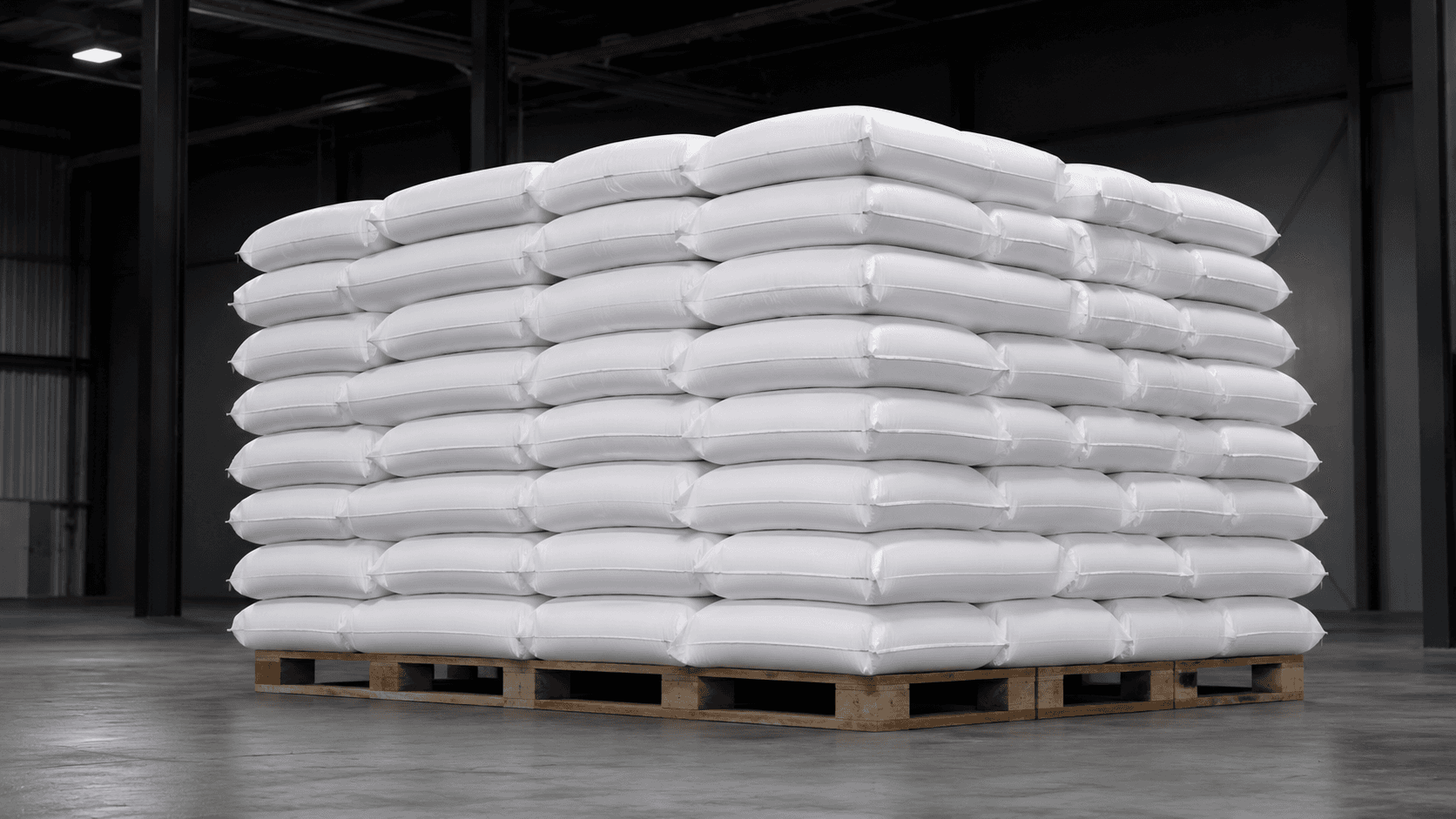
The return of Gulf polymer exports is reshaping global procurement strategies for PE, PP and PVC in Q3 2026. With Gulf, US and Chinese suppliers competing once again, buyers have a rare opportunity to compare multiple origins, negotiate better pricing and strengthen supply security.
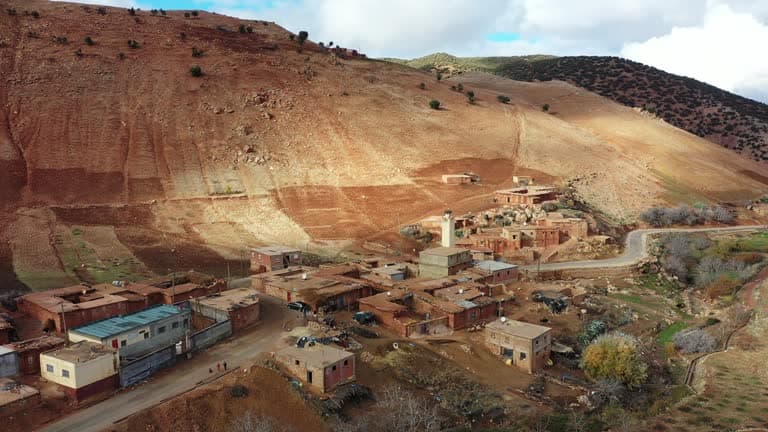
OCP Morocco’s July tender will determine the worldwide price benchmark for DAP and MAP fertilizers, shaping global supply dynamics for Q3 2026. The decision reflects rising phosphoric acid costs and a tightening phosphate market, offering buyers a clear reference point for future contracts.
We're committed to your privacy. Tradeasia uses the information you provide to us to contact you about our relevant content, products, and services. For more information, check out our privacy policy.