Polyethylene prices in China have climbed to approximately CNY 9,000 per tonne, reaching their highest level in four years. The sharp rise reflects one of the most significant supply disruptions the polymer market has experienced in recent years.
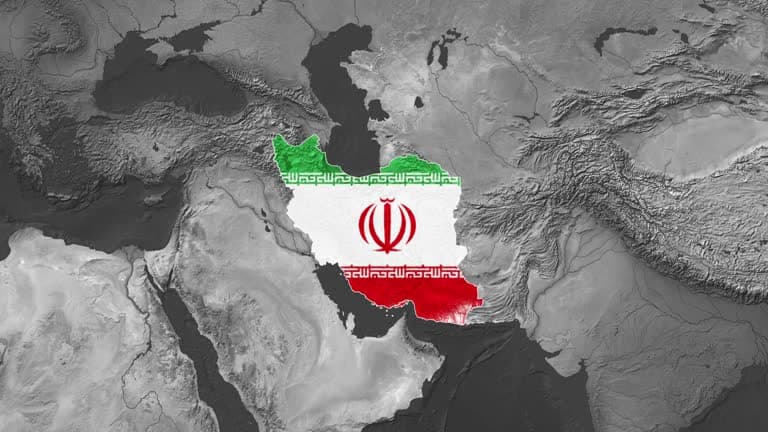
The polyethylene market entered 2026 with relatively balanced supply conditions. That balance changed rapidly when disruptions linked to the Hormuz crisis restricted material flows from the Middle East, a region that historically supplied the majority of China's imported polyethylene requirements.
Today, procurement teams responsible for packaging, agricultural films and pipe-grade applications face a much more complex sourcing environment. Instead of focusing primarily on price, buyers now weigh supply security, freight exposure and origin diversification.
Why Polyethylene Prices Reached a Four-Year High
The most important driver behind the rally has been the sudden reduction in Middle Eastern exports.
Before the disruption, Gulf producers accounted for roughly 84 percent of China's polyethylene imports. When supply availability tightened, buyers quickly competed for alternative volumes.
Several market factors contributed to the price increase:
Import availability declined at the same time that downstream manufacturing demand remained relatively stable.
Freight costs increased as traders searched for replacement cargoes from alternative origins.
Inventory replenishment activity accelerated as buyers attempted to secure future supply.
Supply uncertainty encouraged many buyers to place orders earlier than originally planned.
These developments created upward pressure throughout the polyethylene value chain.
The Gulf Supply Challenge Remains the Core Issue
Middle Eastern producers remain among the most competitive polyethylene suppliers globally. Their feedstock advantages and established export infrastructure have traditionally supported large-scale shipments into Asia.
The Hormuz disruption interrupted that pattern. Even where production facilities remained operational, logistics uncertainty limited the ability of suppliers to move material efficiently.
Many buyers expected a quick normalization. However, polymer supply chains often require weeks or months to fully recover after a major disruption.
The recently signed Hormuz memorandum may support a gradual recovery in Gulf exports. Yet procurement teams understand that shipping schedules, vessel availability and inventory positioning may take significantly longer to stabilize.
US HDPE Emerges as the Swing Supplier
As Gulf volumes tightened, buyers increasingly turned toward the United States.
American polyethylene producers benefit from abundant ethane feedstock, particularly along the Gulf Coast. This cost advantage has allowed US suppliers to increase their role in international trade during periods of market disruption.
US-origin HDPE has become one of the most important alternative supply sources for Asian buyers because:
Production capacity remains substantial compared to many competing regions.
Export infrastructure supports large-scale international shipments.
Product quality meets the requirements of numerous industrial applications.
Suppliers can respond relatively quickly when market opportunities emerge.
Despite these advantages, procurement teams must account for elevated transpacific freight rates. Transportation expenses have become a larger component of delivered resin costs than many buyers anticipated at the beginning of the year.
European Supply Constraints Add Another Layer of Complexity
The polyethylene market is not dealing solely with Middle Eastern disruptions.
The closure of LyondellBasell's POSM facility has reduced HDPE availability within Europe. Although the European market operates independently from Asia in many respects, global polymer markets remain interconnected.
When one region experiences reduced supply, trade flows often adjust accordingly. This process can tighten availability elsewhere and increase competition for export cargoes.
For multinational buyers, the combination of Middle Eastern supply constraints and European production reductions has amplified procurement challenges.
Comparing China, Gulf and US Origins
Many procurement teams now evaluate polyethylene purchases through a three-origin framework.
Each source offers distinct advantages and trade-offs.
Chinese Domestic Resin
Chinese producers provide shorter delivery times for local consumers and reduce exposure to international shipping risks.
However, domestic material pricing has increased significantly alongside broader market gains. Buyers also face competition from local demand.
Gulf-Origin Polyethylene
Middle Eastern producers continue to offer strong long-term value due to feedstock competitiveness and established supply relationships.
The primary concern remains logistics reliability. Buyers must evaluate whether supply conditions will normalize quickly enough to support procurement plans.
US Coastal Supply
US producers currently represent one of the most important alternative sources available to global buyers.
Higher freight costs remain a challenge, but many procurement teams view those costs as acceptable when supply security becomes the priority.
How Indian and Korean Converters Fit Into the Supply Chain
Indian and South Korean resin converters have attracted growing attention from buyers seeking flexibility.
These suppliers often occupy an important position between large-scale producers and downstream consumers. Their ability to process, distribute or convert resin can create additional sourcing options when primary supply channels experience disruption.
Some procurement teams use converter relationships to diversify supply exposure rather than relying entirely on one producing region.
This strategy can reduce operational risk, although pricing may not always be the most competitive option available.
What Procurement Managers Should Monitor Next
The next sixty days may prove critical for the polyethylene market.
Several developments deserve close attention:
Progress in restoring Gulf export logistics following the Hormuz agreement.
Freight rate trends on major transpacific shipping routes.
Chinese domestic inventory levels and operating rates.
HDPE availability within European markets.
Purchasing behavior among packaging and infrastructure manufacturers.
Each factor could influence pricing direction and supply availability during the second half of 2026.
Supply recovery does not automatically mean price recovery. Inventories, shipping schedules and contract negotiations often lag behind geopolitical developments.
The Bottom Line for Polyethylene Buyers
The polyethylene market has entered a period where origin selection matters almost as much as price. Buyers who previously focused on a single sourcing region now face a more complex landscape shaped by logistics risks, freight costs and supply reliability.
Chinese domestic producers, Gulf exporters and US suppliers each offer unique advantages. The most resilient procurement strategies increasingly combine multiple origins rather than depending on a single source of supply. As the market waits for Gulf logistics to normalize, procurement teams should prioritize flexibility, supplier diversification and continuous monitoring of freight economics. Ready to source polyethylene from verified global suppliers? Explore competitive offers on our platform today.
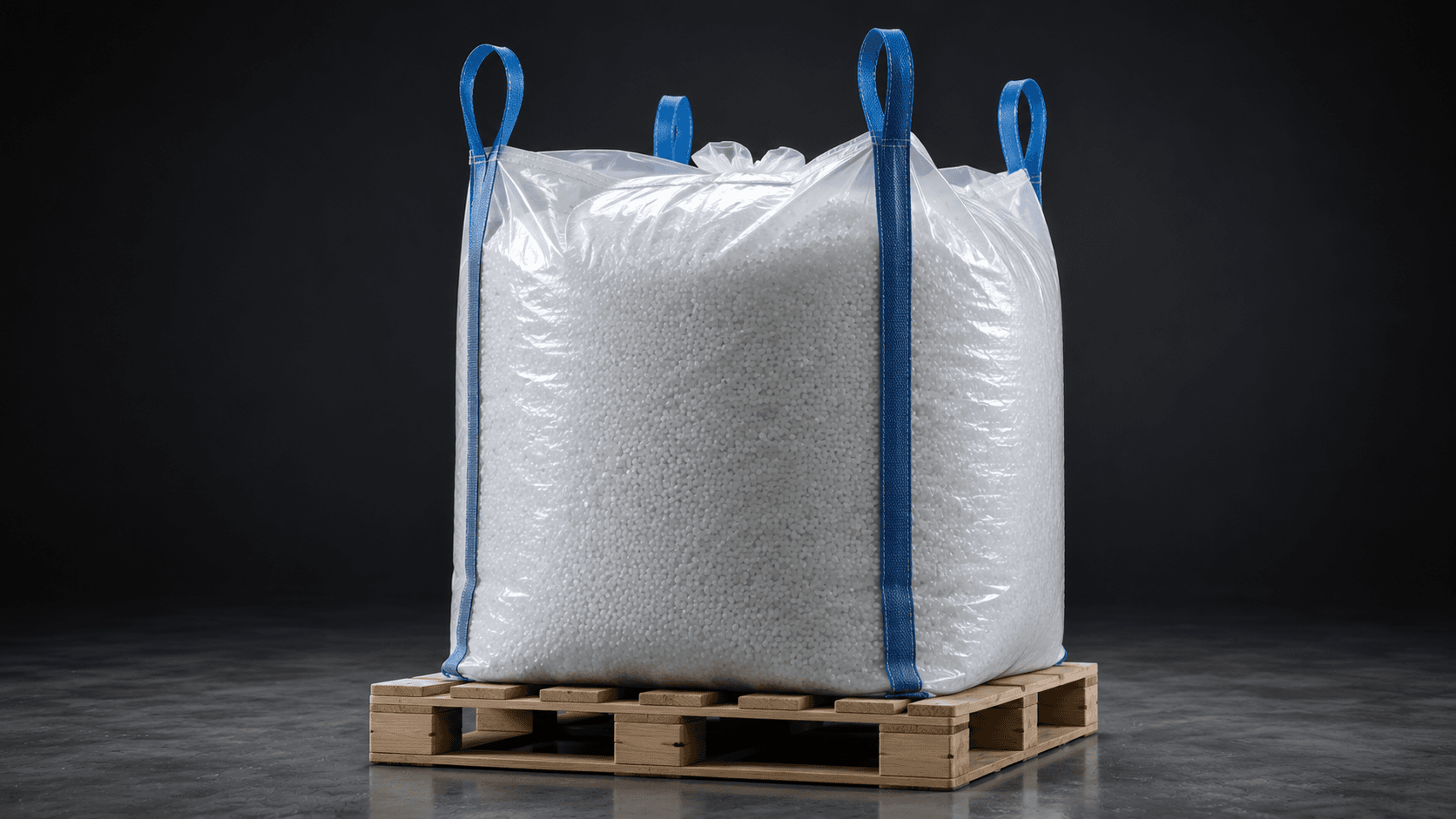
High Density Polyethylene (HDPE) CAS: 9002-88-4