
Potassium Sulphate - Indonesia CAS: 7778-80-5
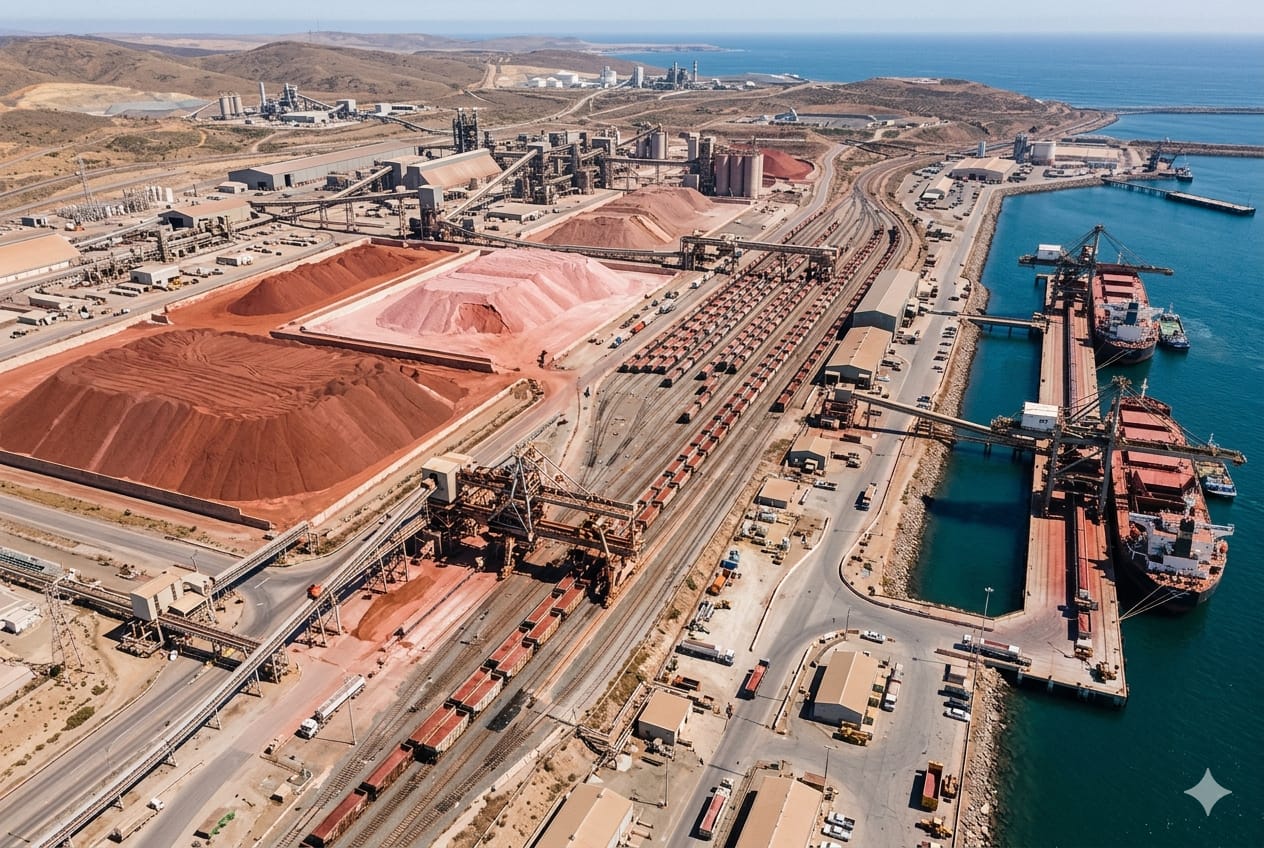
The Hormuz crisis disrupted nearly 45% of global sulfur supply as Gulf refinery by-product exports collapsed for months. With vessel movement now improving, sulfur and sulfuric acid buyers may finally see the first meaningful cost relief in August after one of 2026’s most overlooked supply chain disruptions.

Commodity chemical markets close H1 2026 after an extraordinary period of price swings, supply disruptions and policy changes. This review highlights key movements in crude oil, urea, methanol, Gulf exports and procurement priorities for H2 planning.

The upcoming VCI Q2 2026 report underscores a sharp decline in German chemical production, driven by soaring feedstock costs and weak domestic demand. Naphtha‑based downstream plants are hit hardest, while export disruptions to Asia and the Gulf further strain utilization rates. For buyers, the data offers critical insight into supplier stability and pricing dynamics across Europe.
H1 2026 closes with a 15 to 20 percent contraction in peak chemical seaborne trade, elevated insurance costs and permanent routing shifts. This report outlines how logistics structures are resetting across global chemical supply chains and what H2 2026 will look like.

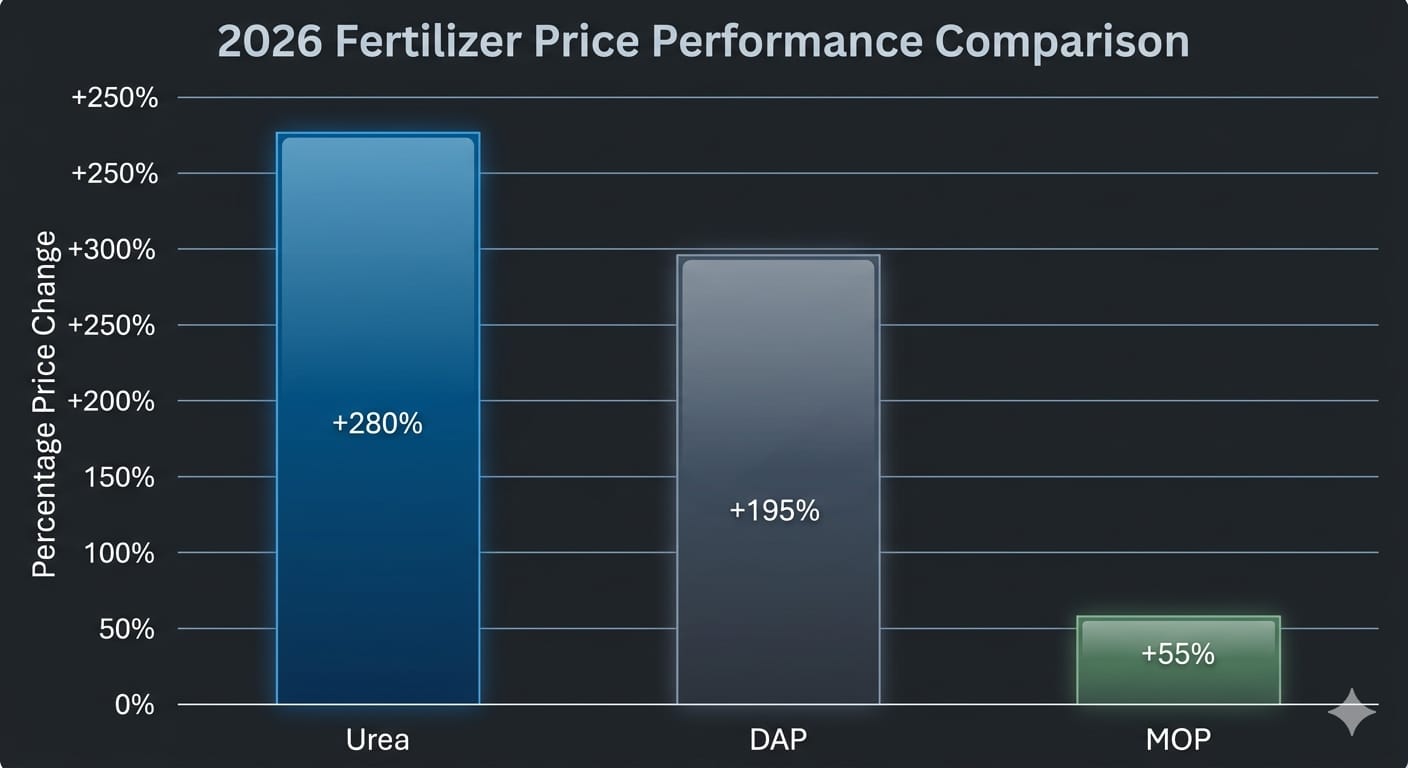
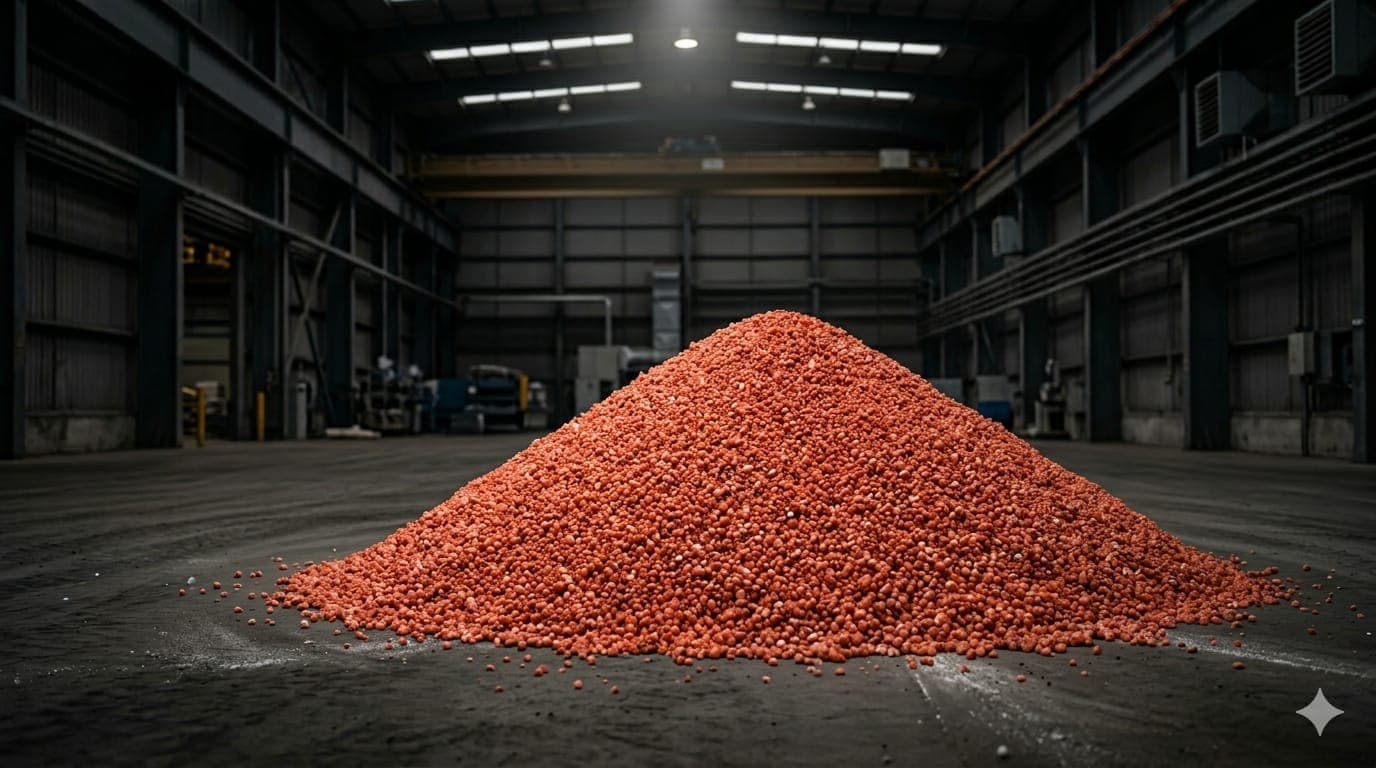
Ammonia availability in Q3 2026 is rebounding, shifting power back to sellers. Indian buyers, once dominant in phosphoric acid pricing, now face tighter margins and less bargaining room. Learn how supply dynamics reshape fertilizer procurement strategies.
he global polystyrene market remains oversupplied, yet North American buyers face a changing supply picture after the closure of INEOS Styrolution's Channahon facility. This analysis examines leading polystyrene producers, trade flows, pricing pressures and what procurement teams should expect through 2027.
We're committed to your privacy. Tradeasia uses the information you provide to us to contact you about our relevant content, products, and services. For more information, check out our privacy policy.