
Related Insights
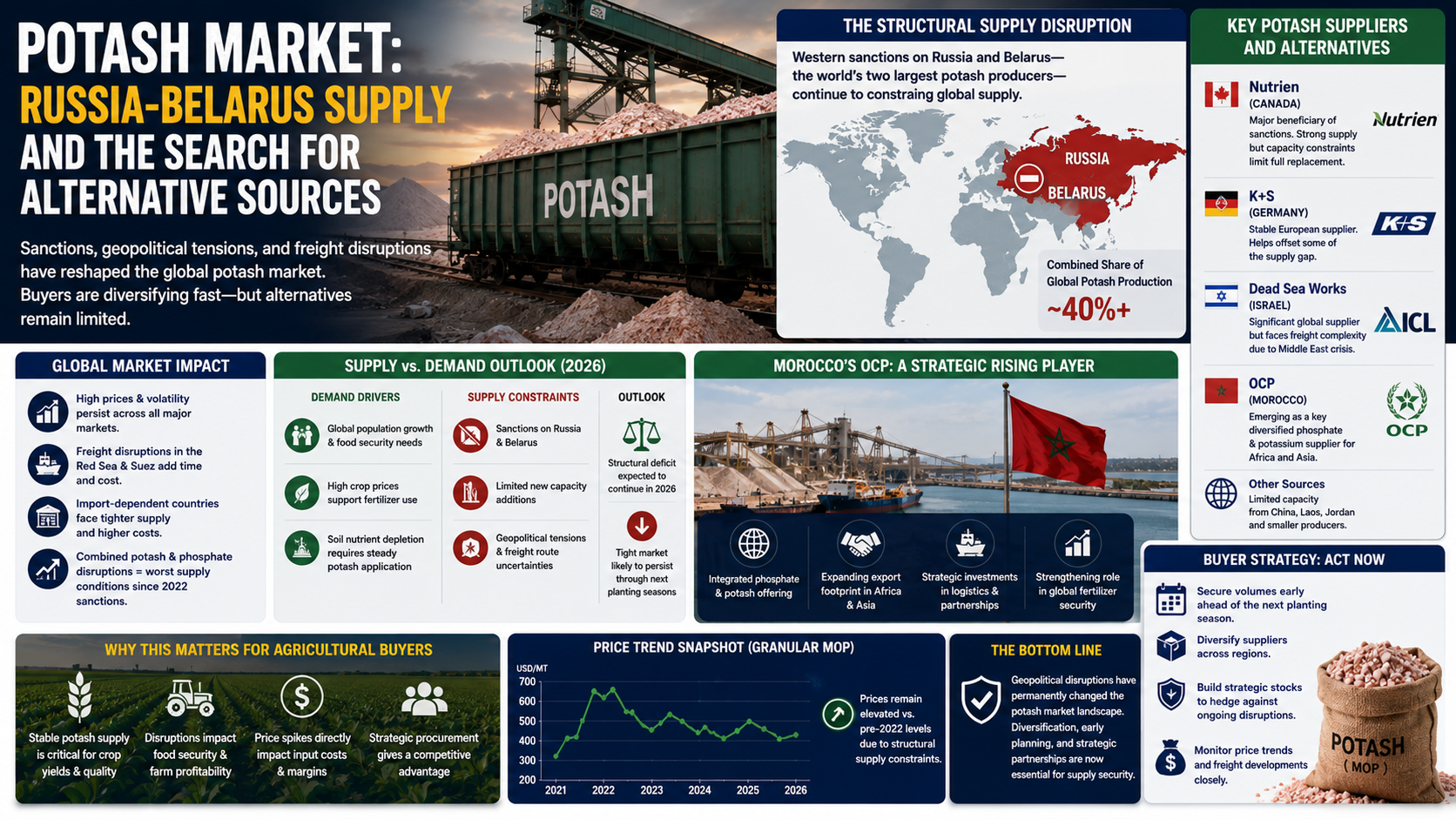
Chemical Supply Chain Risk After Oman Crisis: What Buyers Must Know in 2026
Chemical supply chains depend on stable trade routes, diplomatic channels and predictable negotiations. The Oman crisis shows how quickly geopolitical decisions can affect sourcing strategies, supplier confidence and procurement planning.

48 Force Majeures Remain: The Real Chemical Supply Recovery Signal
When shipping volumes plateau, the true pulse of the chemical market lies in the number of force majeure declarations. 48 active notices this month paint a picture of gradual recovery and reveal where supply disruptions still loom. In the ICIS chemical market, fewer force majeure claims mean a smoother flow of raw materials and finished goods.
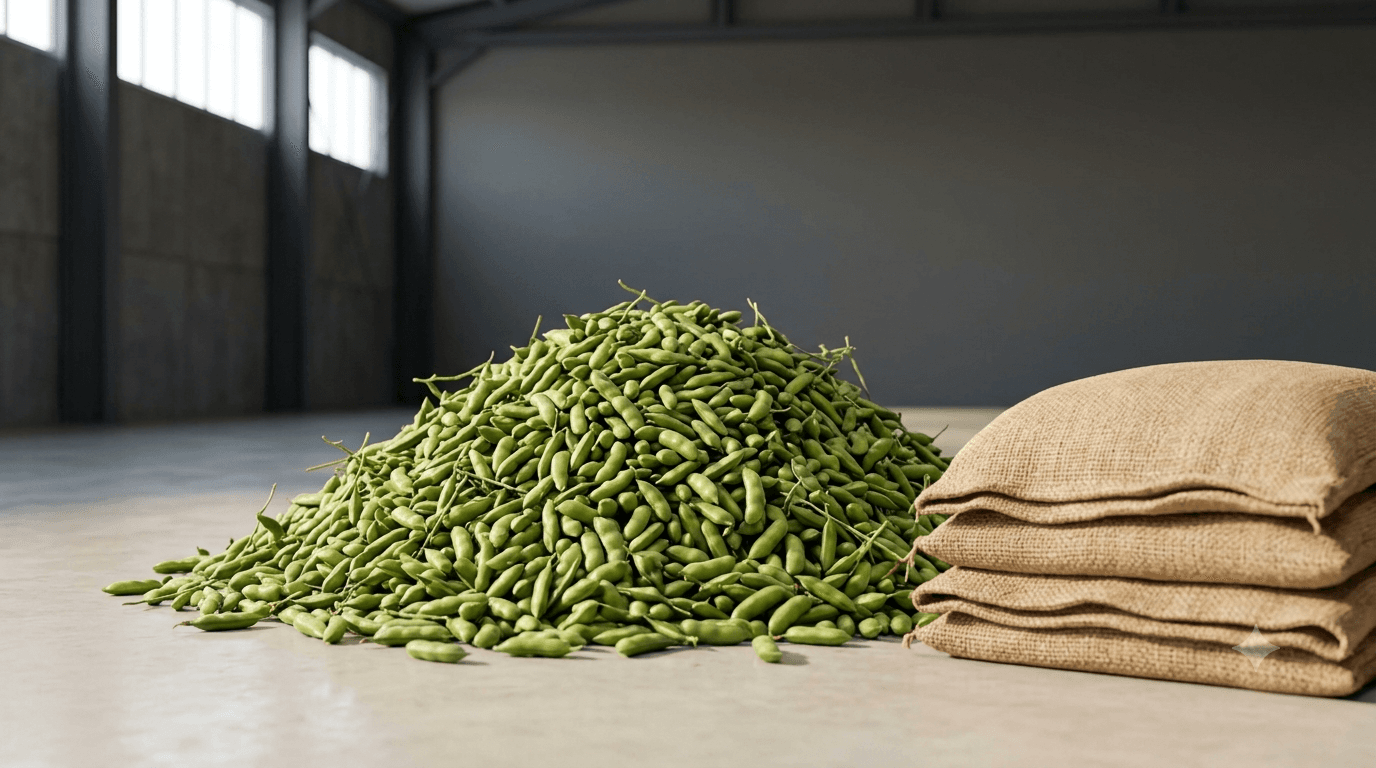
Guar Gum: Rajasthan Planting Intelligence and Implications for the 2026/27 Supply Season
The 2026 Rajasthan guar planting season will determine global guar gum availability for oilfield, food and industrial buyers over the coming year. Early monsoon progress has improved market sentiment, but rainfall distribution across key producing districts will decide whether procurement teams face abundant supply or tighter inventories.

Urea 2026: Gulf Supply Recovery & Buying Opportunities
Urea prices in 2026 are poised for a rebound as Gulf exports climb back to 75% of pre‑war levels. This shift reshapes demand in the Southern Hemisphere, offering new buying windows for fertilizer importers. TradeAsia tracks the latest market dynamics for SABIC and QAFCO urea.

Methanol Markets React to Bürgenstock: Can Prices Correct If Hormuz Flows Restore?
Methanol markets have experienced some of the most severe disruptions during the Hormuz crisis due to their heavy dependence on Gulf export routes. As signs of supply normalization emerge after the Bürgenstock agreements, buyers and producers must reassess Q3 pricing expectations and procurement strategies.

Citric Acid: Chinese Producers Reassess H2 Export Pricing as Freight Relief Approaches
Chinese citric acid producers are reevaluating H2 2026 export contracts amid easing bunker fuel costs, which could lower freight expenses and reshape pricing dynamics. This shift may benefit global food additive buyers seeking cost‑effective imports.
Don't miss out on our updates! Subscribe to our newsletter now
We're committed to your privacy. Tradeasia uses the information you provide to us to contact you about our relevant content, products, and services. For more information, check out our privacy policy.