

Urea (Granular) - Egypt CAS: 57-13-6


The caprolactam market enters 2026 with expanding Chinese capacity, lower operating rates and increasing pressure across the nylon 6 value chain. Shenma's planned expansion and recycling innovations are reshaping sourcing decisions for buyers worldwide.

The first half of 2026 reshaped pharmaceutical chemical procurement through supply chain disruptions, rising logistics costs, GLP-1 manufacturing expansion, and evolving regulatory requirements. Here are the key intelligence insights and procurement priorities for H2 2026.
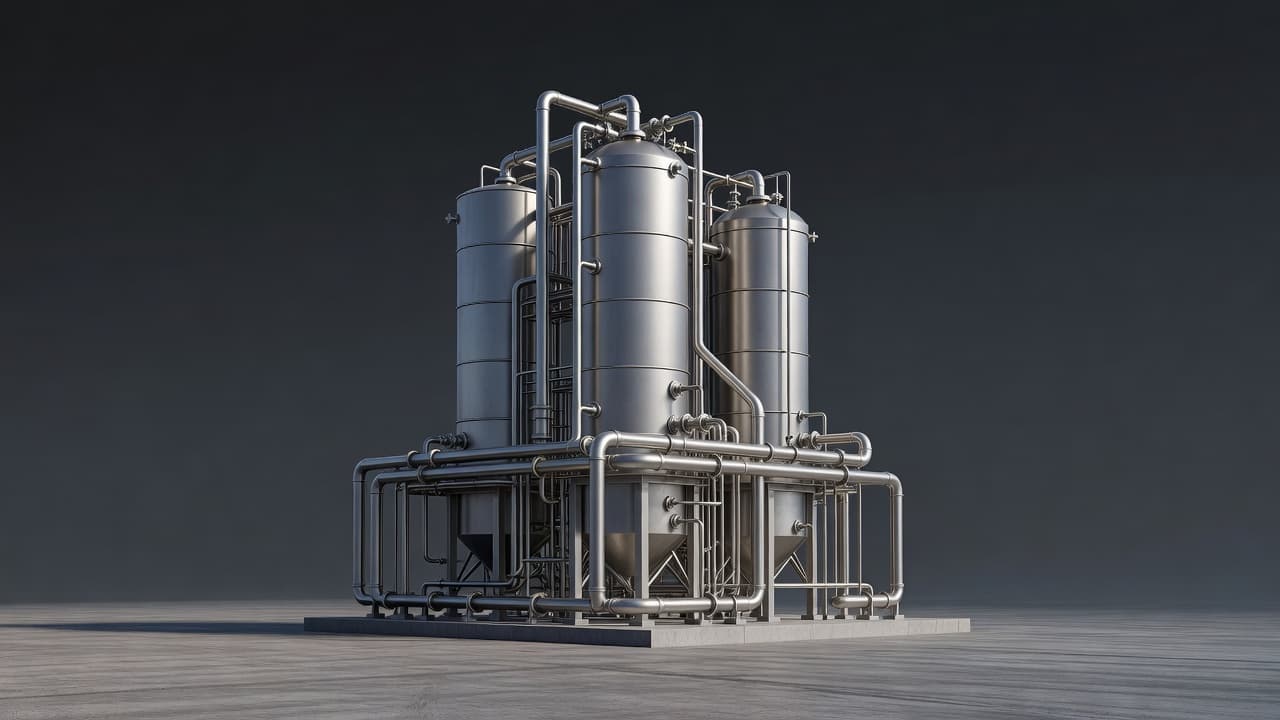
Construction has begun on a 450,000-tonne polypropylene plant at the Xinjiang Shaneng Wucaiwan project, reinforcing China's long-term capacity expansion strategy. Procurement teams should evaluate how additional domestic production could reshape regional polymer supply and international trade flows.

Japan's chemical industry enters H2 2026 after overcoming its most severe naphtha supply disruption in decades. The country's rapid diversification of feedstock sourcing may prove to be the most important long-term outcome of the Hormuz crisis, reshaping procurement strategies well beyond the recovery period.

In early 2026 the global chemical market saw a dramatic price spike during the Hormuz crisis, only to reverse course by April even before shipping lanes fully reopened. This article dissects the panic‑driven surge, the factors that triggered the drop, and the procurement intelligence lessons that can help buyers mitigate volatility.
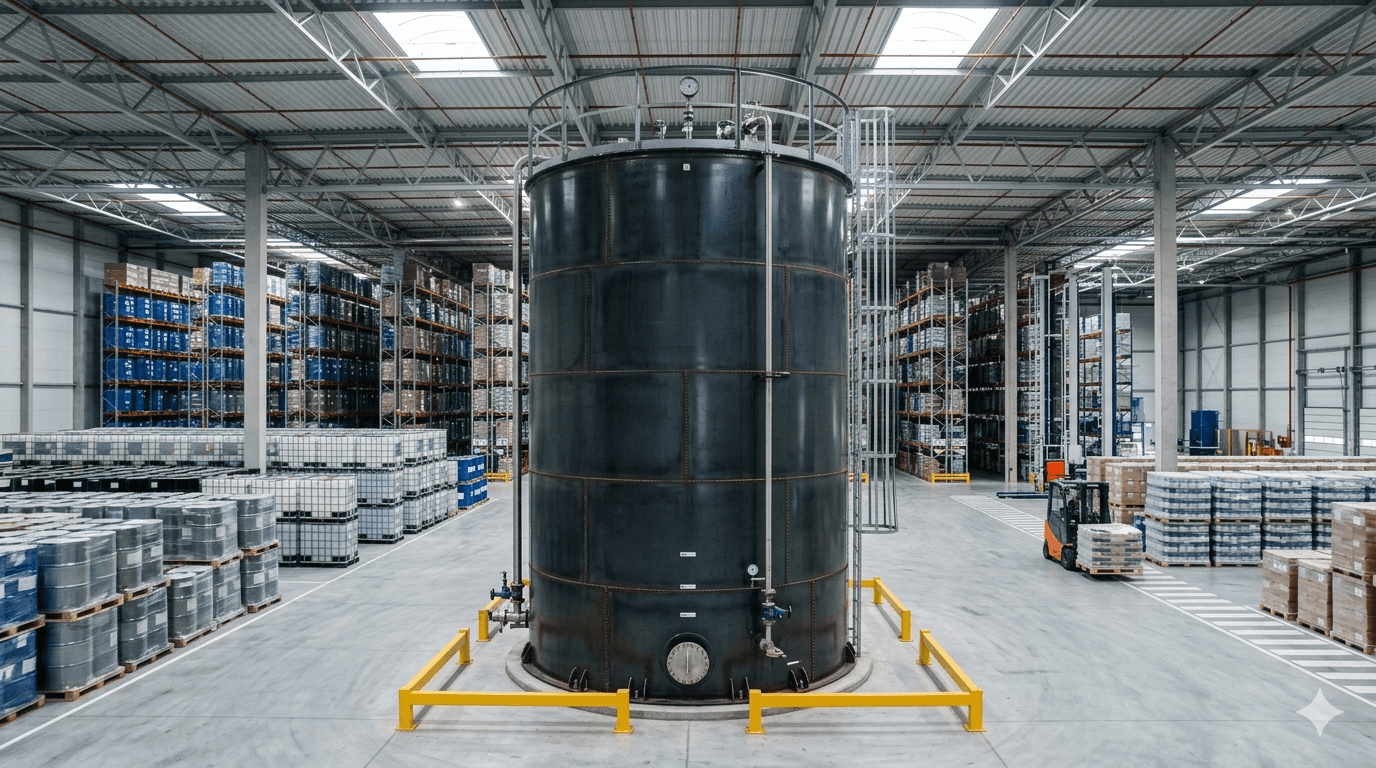
China’s tightening export controls on herbicides and pesticides have triggered a ripple effect across the global agrochemical market. Producers and buyers are now diversifying sourcing strategies and bolstering inventory buffers to navigate emerging supply risks and ensure crop protection continuity.
We're committed to your privacy. Tradeasia uses the information you provide to us to contact you about our relevant content, products, and services. For more information, check out our privacy policy.