Propylene Glycol: Pharmaceutical vs Industrial Grade — Procurement Strategies Diverge
In 2026, the propylene glycol (PG) market is showing a clear split between two very different realities. While industrial-grade supply remains relatively abundant and faces pricing pressure, pharmaceutical-grade propylene glycol is experiencing tighter availability and stronger demand.
For procurement teams across pharmaceuticals, food, cosmetics, and chemicals, understanding this dual-market structure has become essential for managing cost, compliance, and supply security.
Understanding the Two Markets
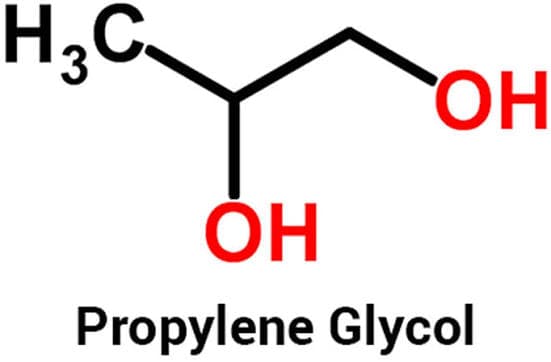
Propylene glycol is a versatile chemical used across multiple industries, but not all grades serve the same purpose.
Pharmaceutical (USP) Grade PG
USP-grade propylene glycol is manufactured and controlled under stricter purity and quality requirements.
Common pharmaceutical applications include:
Injectable vehicles
Oral liquid formulations
Syrups and suspensions
Topical creams and gels
Cosmetic and personal care products
Because these applications directly affect patient and consumer safety, compliance requirements are significantly higher.
Industrial Grade PG
Industrial-grade propylene glycol is commonly used in:
Solvents
Industrial processing
Chemical manufacturing
Heat transfer fluids
General industrial applications
Industrial-grade specifications are not designed for pharmaceutical use.
Why Pharmaceutical Grade Is Becoming Tighter
Demand for USP-grade PG continues to grow due to expanding pharmaceutical production and increasing use in healthcare formulations.
Growth areas include:
Injectable medicines
Liquid oral dosage forms
Dermatological products
Premium personal care applications
Unlike industrial markets, pharmaceutical procurement prioritizes quality assurance, regulatory documentation, and supply consistency over lowest-cost sourcing.
Oversupply Pressures Industrial Markets
At the same time, industrial-grade PG is experiencing different conditions.
Additional supply from US and Chinese producers, combined with softer solvent demand, has created a more competitive pricing environment.
As supply expands faster than industrial consumption, buyers in non-regulated sectors continue to benefit from lower pricing and greater availability.
Policy and Supply Developments Affecting 2026 Markets
India’s Temporary Duty Relief
India’s inclusion of propylene glycol in its duty exemption framework through June 30 has improved import economics and created temporary procurement advantages for some buyers.
This policy may influence sourcing decisions and regional pricing behavior.
Technology Closures Reduce Certain Supply Sources
Market conditions are also being affected by production adjustments.
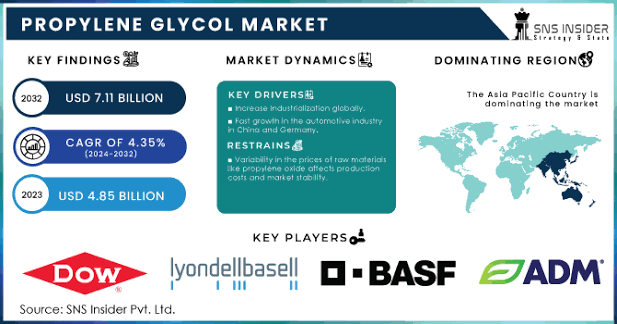
Closures involving PO/SM (Propylene Oxide / Styrene Monomer) technology capacity, including developments associated with LyondellBasell-linked production systems, reduce availability of POSM-derived propylene glycol.
Lower supply flexibility can indirectly support pricing, particularly in higher-specification segments.
Procurement Risk: Grade Confusion Creates Compliance Exposure
One of the biggest risks for buyers is assuming industrial availability solves pharmaceutical requirements.
Industrial-grade and pharmaceutical-grade supply chains are not interchangeable.
Procurement teams should confirm:
USP-grade certification
Certificate of Analysis (CoA) compliance
Manufacturing qualification standards
Traceability documentation
Regulatory approval status
Batch consistency requirements
Purchasing industrial-grade material for pharmaceutical specifications may introduce compliance, quality, and patient safety risks.
Procurement Strategies for 2026
To strengthen supply resilience, buyers should:
✓ Separate sourcing strategies by end-use grade
✓ Maintain qualified pharmaceutical supplier networks
✓ Verify documentation beyond pricing comparisons
✓ Monitor regional policy and trade developments
✓ Track upstream propylene oxide market changes
✓ Build inventory plans for critical pharmaceutical applications
Conclusion
Propylene glycol in 2026 is no longer a single-market commodity.
Industrial-grade markets remain pressured by oversupply, while pharmaceutical-grade PG continues to tighten due to stronger healthcare demand and stricter quality expectations.
Successful procurement teams will avoid treating both grades as interchangeable and instead build sourcing strategies aligned with specification, compliance, and long-term supply resilience.