
Introduction
After months of disruption, the Ras Tanura terminal has officially resumed operations, marking a pivotal moment for Saudi Arabia’s chemical export landscape. Trading Economics data now shows Gulf chemical exports climbing to 75% of pre‑war levels, a clear signal that supply chains are tightening and demand is returning.
Why Ras Tanura Matters
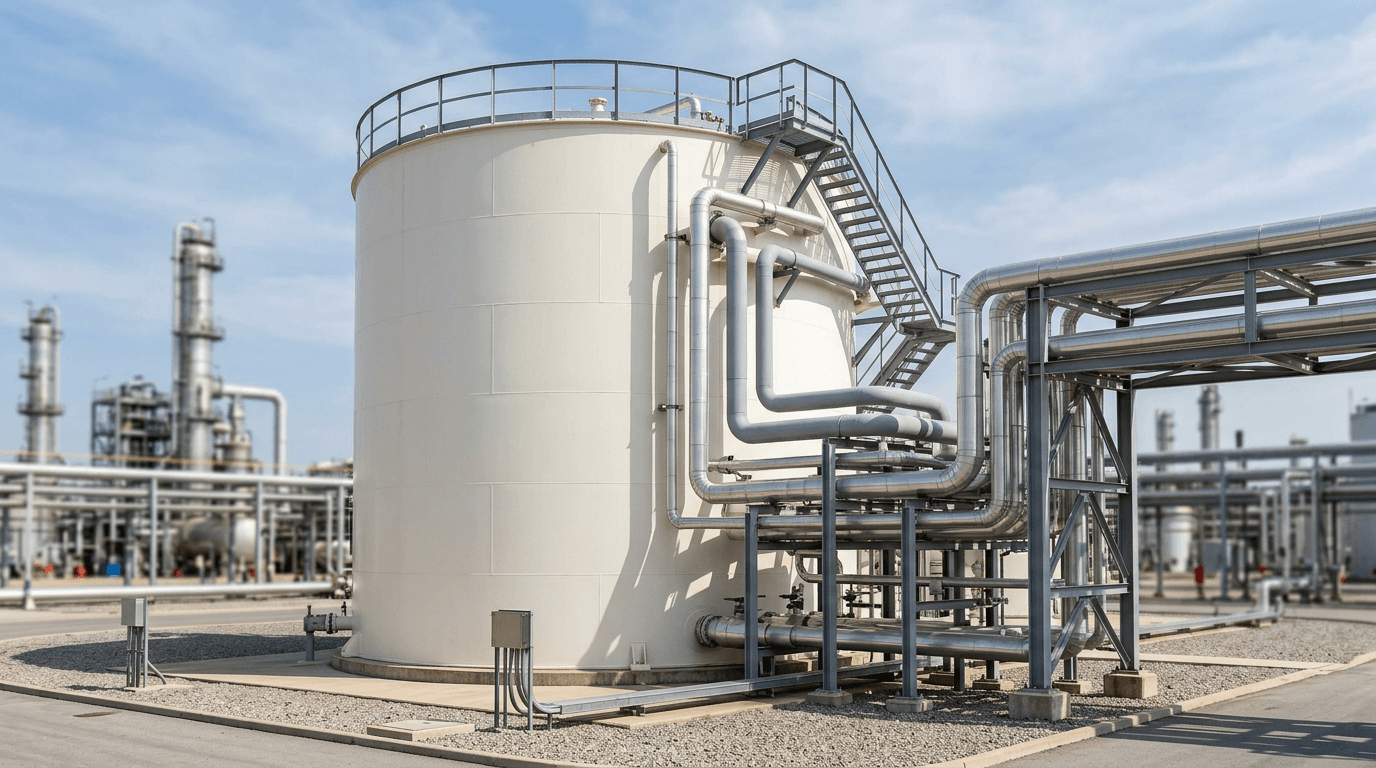
The Ras Tanura facility is the world’s largest integrated petrochemical complex, producing key feedstocks that feed downstream products such as polyethylene, polypropylene, methanol and monoethylene glycol (MEG). Its restart unlocks the full capacity of Saudi Arabia’s petrochemical belt, positioning the kingdom as a leading supplier for the Gulf and beyond.
SABIC’s Q3 Export Roadmap
SABIC, a global chemical powerhouse headquartered in Riyadh, has mapped out a clear strategy to deliver its commodity and specialty chemicals in the third quarter:
- Priority to Existing Contract Customers – Long‑term buyers who secured contracts before the crisis will receive first‑come, first‑served deliveries.
- Spot Market Allocation – Limited volumes will be directed to the spot market, primarily in Q4, to manage inventory and avoid price spikes.
- Force Majeure Unwinding – The company is systematically lifting force majeure clauses product‑by‑product, starting with polyethylene and methanol, then moving to MEG and specialty lines.
Commodity Chemicals Focus
Key products include:
- Polyethylene (PE) – a staple for packaging and construction.
- Polypropylene (PP) – used in automotive and consumer goods.
- Methanol – a base chemical for formaldehyde and acetic acid.
- Monoethylene Glycol (MEG) – essential for polyester fibers and antifreeze.
- Yanbu Fertilizers – ammonia and urea for agricultural markets.
Specialty Chemicals
From Jubail and other hubs, SABIC’s specialty portfolio spans engineering plastics and high‑performance additives that drive innovations in electronics, aerospace and medical devices.
Impact on Buyers and Procurement Strategies
For companies that relied on pre‑crisis contracts, the week of June 29 is a critical touchpoint. Contacting your SABIC account manager now will confirm:
- Restart sequence for your specific product.
- Estimated Q3 delivery windows.
- Potential adjustments in pricing or terms as volumes recover.
Buyers who have been waiting for the market to stabilize can now plan their inventory and supply chains with greater confidence. It is also an opportune moment to negotiate new contracts that lock in favorable rates before the spot market expands in Q4.
Market Dynamics and Forward Outlook
With exports rebounding to 75% of pre‑war figures, Gulf chemical markets are tightening. This shift is likely to:
- Increase Demand for Saudi Polyethylene – As regional construction projects resume, the need for PE for pipes and packaging will grow.
- Boost Methanol Export Volumes – A rising demand for acetaldehyde and other derivatives is pushing methanol shipments higher.
- Elevate MEG Prices – Scarcity in supply and growing demand for polyester fibers are expected to keep MEG prices competitive.
- Encourage Diversification – Buyers may seek alternative suppliers or diversify product mixes to hedge against supply shocks.
Financial analysts predict that the full recovery of Saudi chemical exports may take until early 2027, but the current trajectory is promising. Companies that align their procurement strategies with SABIC’s roadmap stand to benefit from early access to high‑quality feedstocks and competitive pricing.
Conclusion
The Ras Tanura restart is more than a technical milestone; it is a catalyst that is reshaping Saudi Arabia’s chemical export profile. SABIC’s structured Q3 roadmap ensures that both commodity and specialty chemicals return to the global market in an orderly fashion, providing buyers with clarity and confidence. By engaging with SABIC’s commercial teams now, stakeholders can secure their supply chains and position themselves advantageously for the upcoming quarter.