

Methanol CAS: 67-56-1
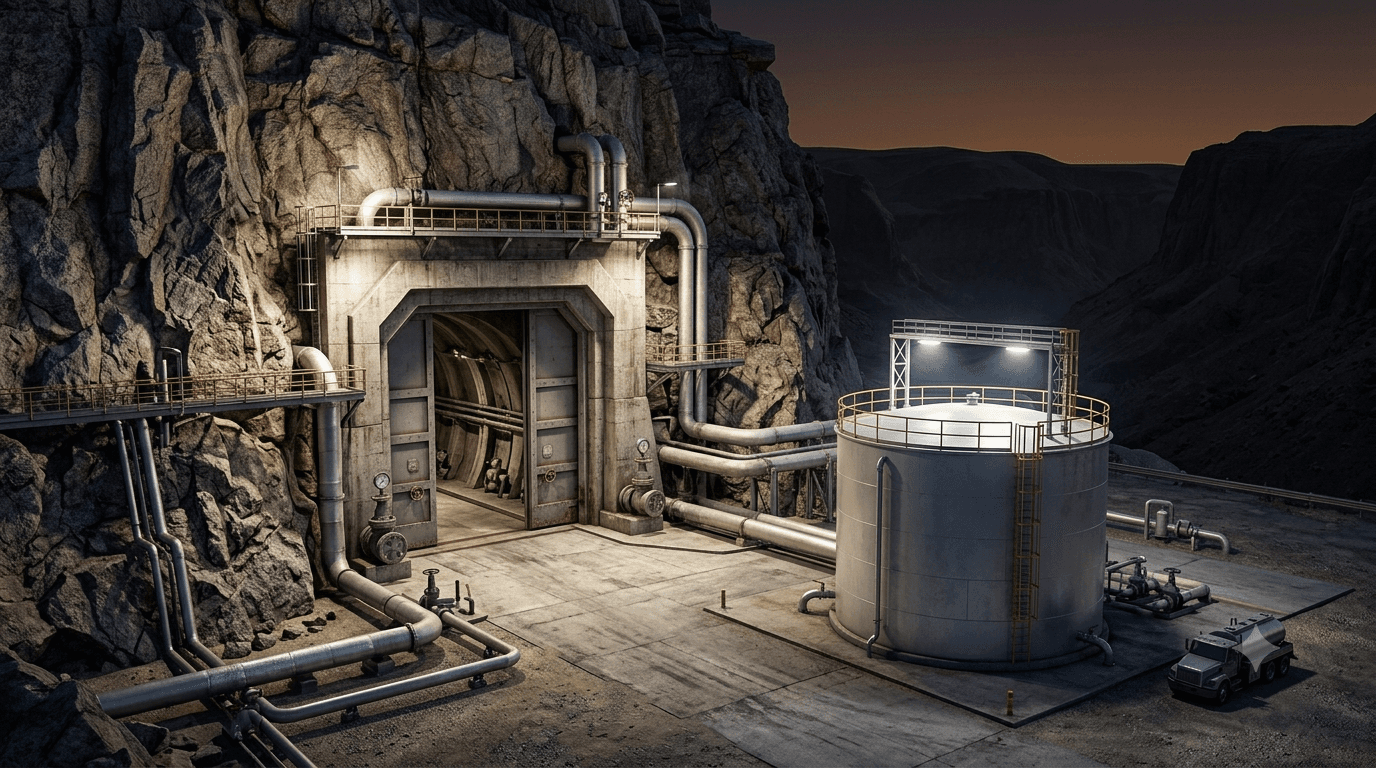
Methanol CAS: 67-56-1
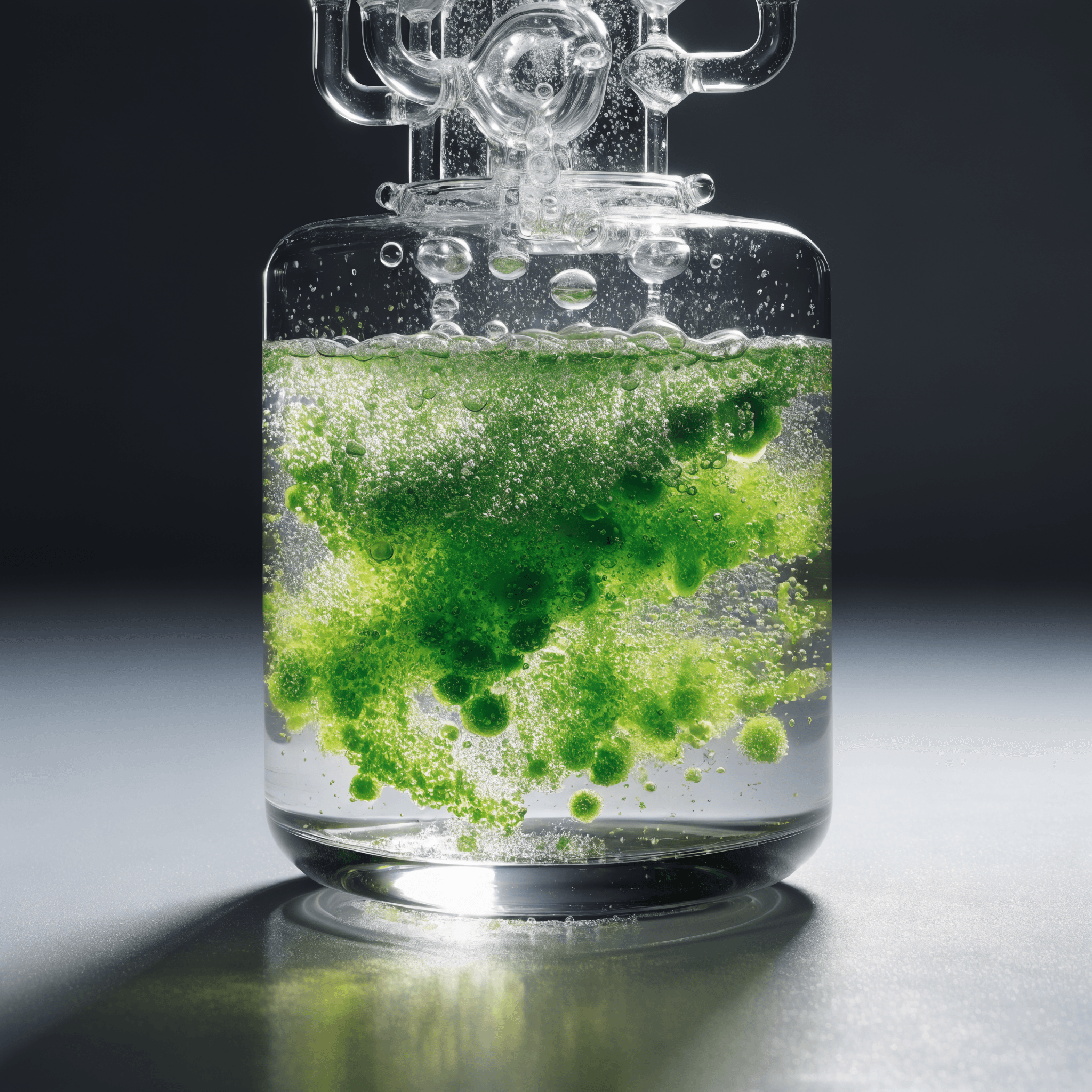
Fermentation-based marine ingredients such as algal DHA, astaxanthin and beta-glucan offer food manufacturers a more resilient supply chain during periods of global shipping disruption. Procurement teams should understand why production geography matters as much as ingredient performance.
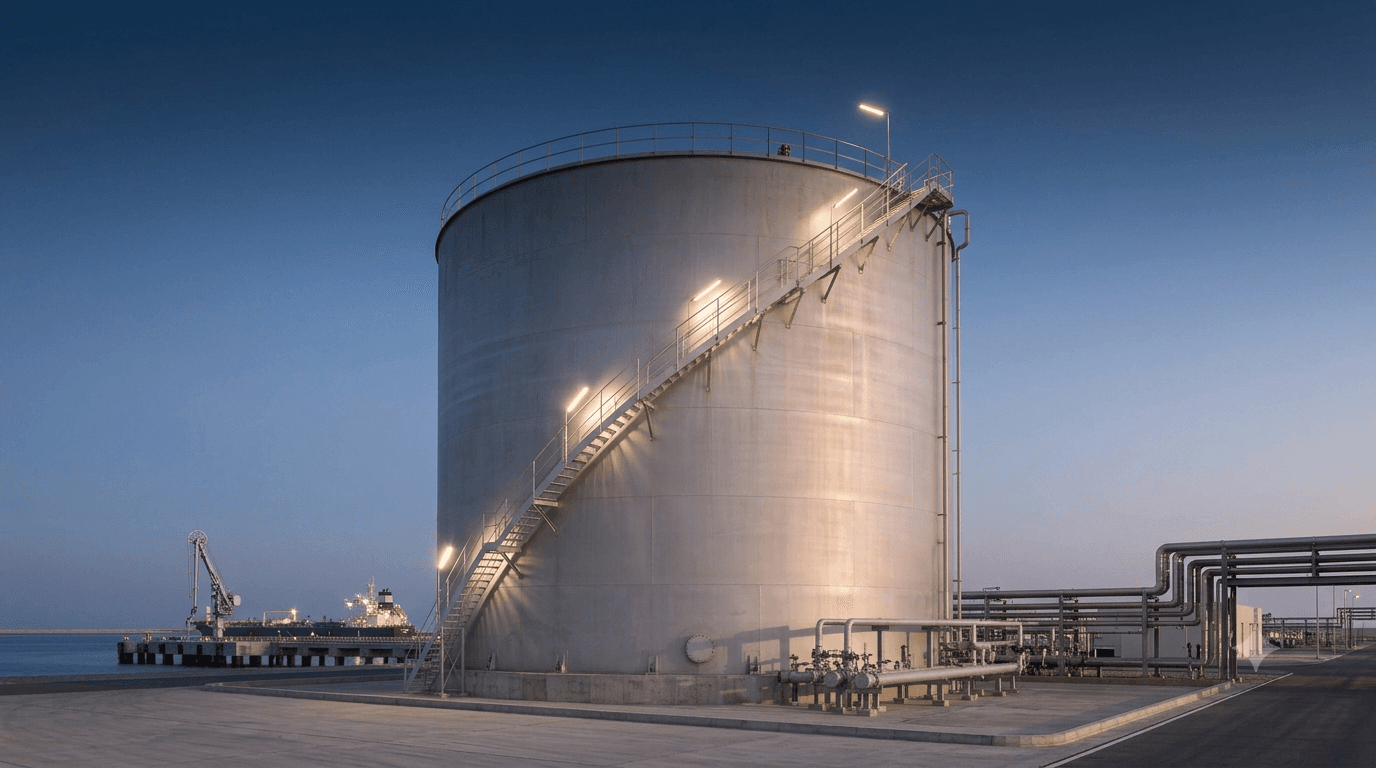
Thailand's emergency fuel export ban highlighted how government intervention can rapidly disrupt downstream chemical supply chains. Procurement teams that rely on Thai petrochemical exports can use this case to strengthen sourcing strategies and reduce exposure to sudden market shocks.
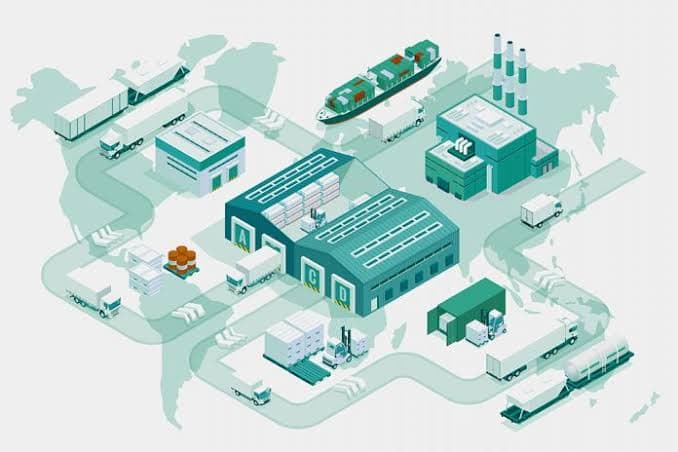
The Hormuz ceasefire agreement reduced immediate disruption risks, but unresolved transit fee negotiations may create a new layer of uncertainty for chemical shippers planning H2 2026 cargo movements.
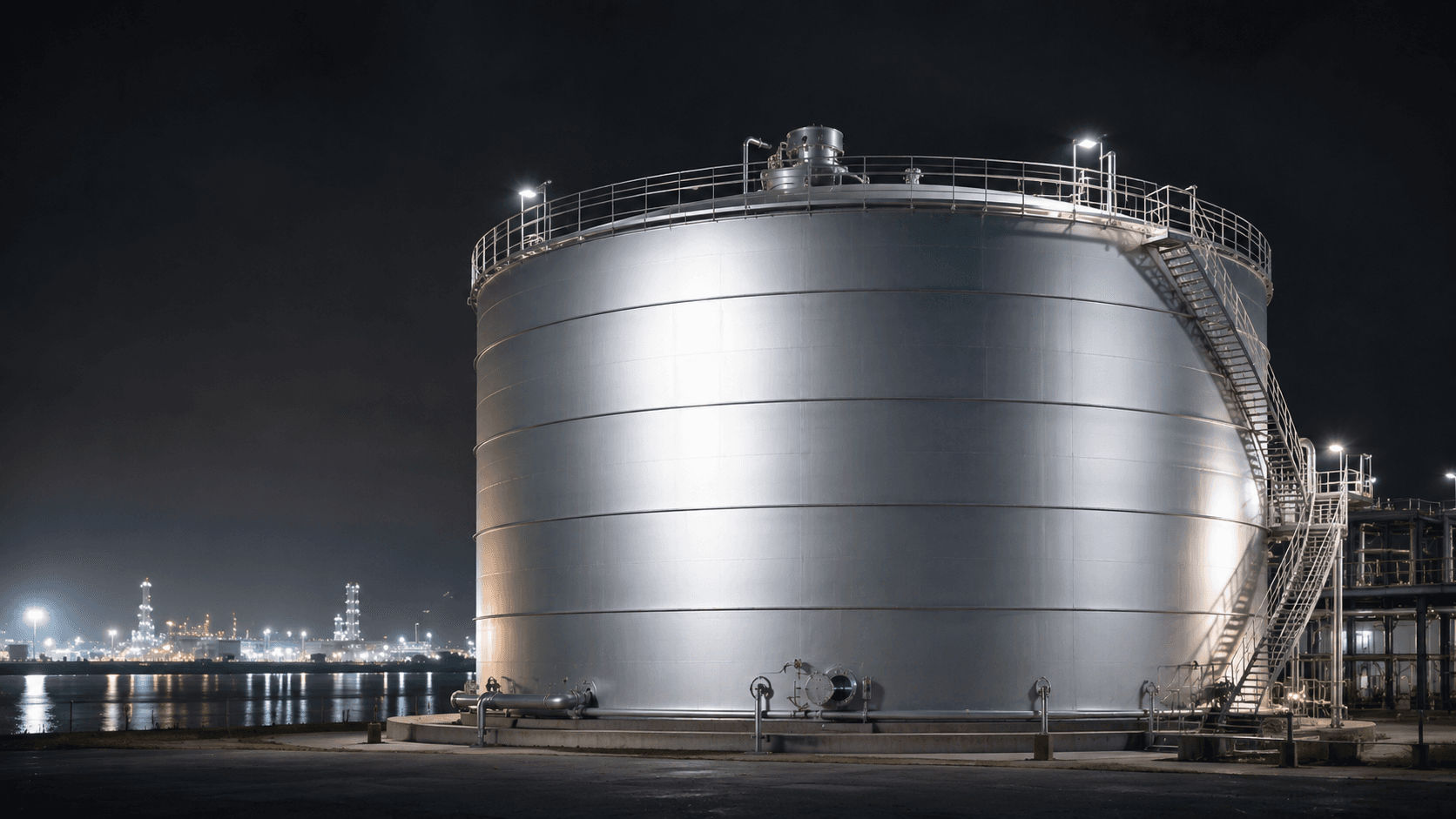
Naphtha markets remain under pressure as Japan relies on strategic reserves and South Korean producers declare force majeure across downstream contracts. Procurement teams across plastics and fibers face difficult sourcing decisions while waiting for post-ceasefire supply normalization.
PTA and paraxylene markets enter a critical phase as the Hormuz ceasefire changes supply expectations across Asia. Procurement teams must decide whether to secure volumes at current levels or wait for potential supply normalization during Q3 2026.
Caustic soda markets across Southeast Asia are entering a period of tighter availability as Middle East disruptions ripple through global supply chains. Higher spot prices, shifting trade flows and longer lead times are forcing procurement teams to reassess sourcing strategies for Q3 2026.
We're committed to your privacy. Tradeasia uses the information you provide to us to contact you about our relevant content, products, and services. For more information, check out our privacy policy.