
Related Insights

The 22,500 Mariners Stranded in the Gulf: What the Hormuz Human Cost Means for Chemical Procurement
More than 22,500 mariners remain stuck on over 1,550 vessels in the Persian Gulf, a human crisis behind every delayed chemical shipment. For procurement teams sourcing from Gulf producers, this is no longer a distant headline but a direct line item in supply chain risk.
Helium: Qatar's LNG Halt and the Forgotten Supply Chain
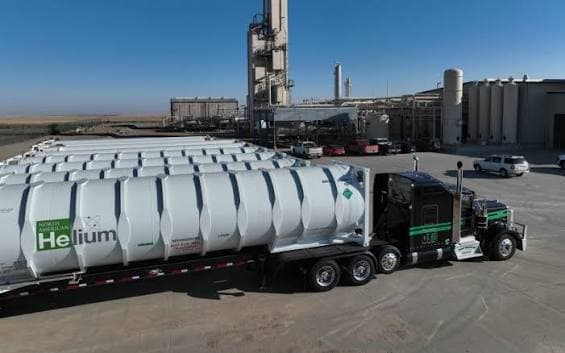
The 2026 Hormuz crisis created one of the most overlooked commodity disruptions in global markets: helium. Damage to Qatar’s Ras Laffan LNG infrastructure reduced helium production capacity, creating a structural supply shortage that may persist for years even as shipping conditions across Hormuz begin improving.
Strait of Hormuz Supply Risk: What Chemical Buyers Should Do Amid Iran Talks Uncertainty
Conflicting statements about Iran negotiations create uncertainty for global chemical procurement teams. The latest Strait of Hormuz supply signals show why buyers should rely on verified logistics data instead of political headlines.

Top 10 Commercial Beneficiaries of the 2026 Hormuz Crisis: Final H1 Ranking
The 2026 Hormuz crisis disrupted global chemical trade, but created major commercial winners. From OCP Morocco and Nutrien to Wanhua Chemical and US exporters, H1 2026 proved that supply chain disruption often shifts value rather than destroying it.
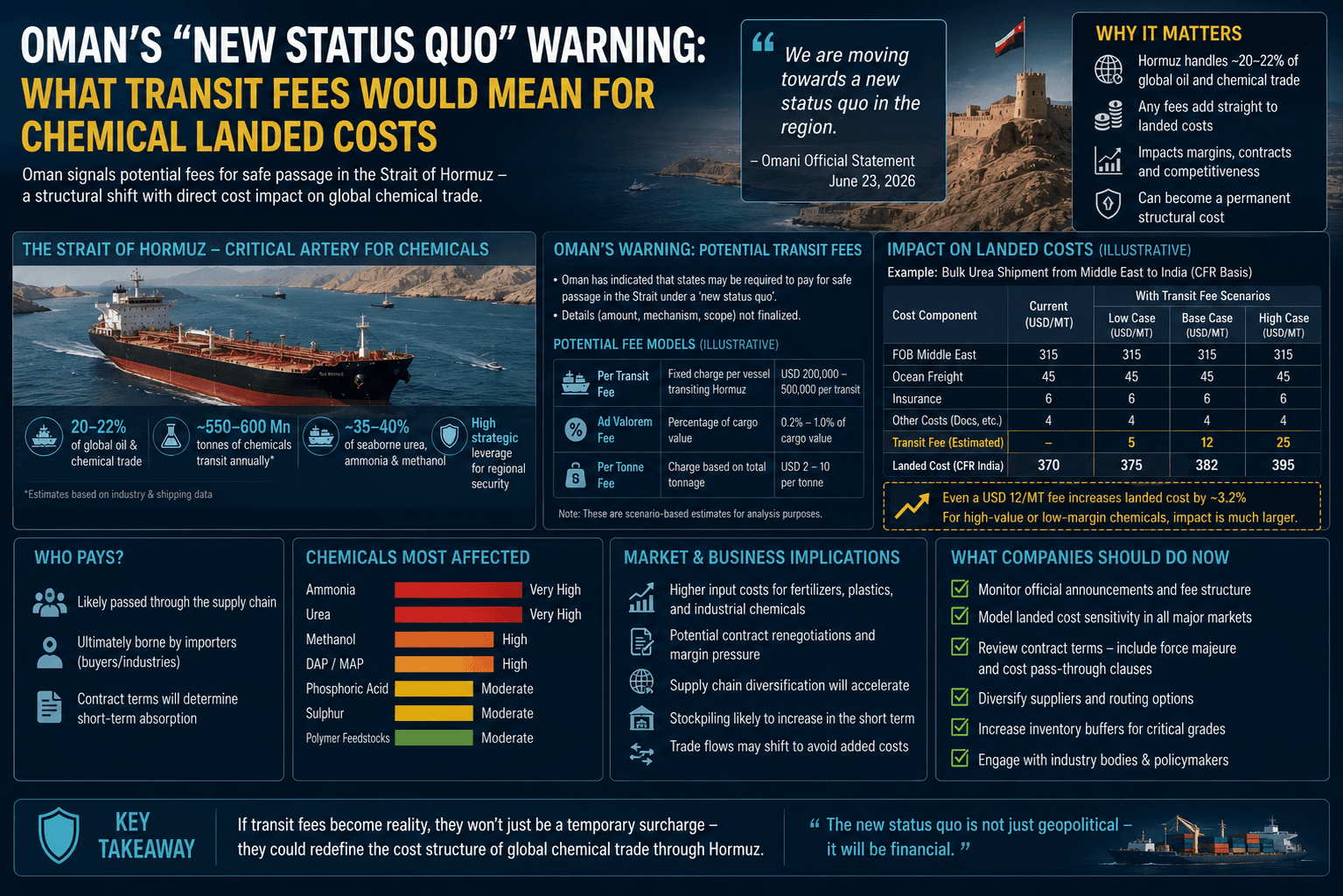
Oman’s “New Status Quo” Warning: What Transit Fees Would Mean for Chemical Landed Costs
Oman’s warning that Hormuz may never return to pre-war conditions raises the prospect of permanent transit fees for commercial vessels. Chemical buyers should immediately model higher landed costs into H2 2026 procurement planning as Gulf shipping economics may have changed permanently.
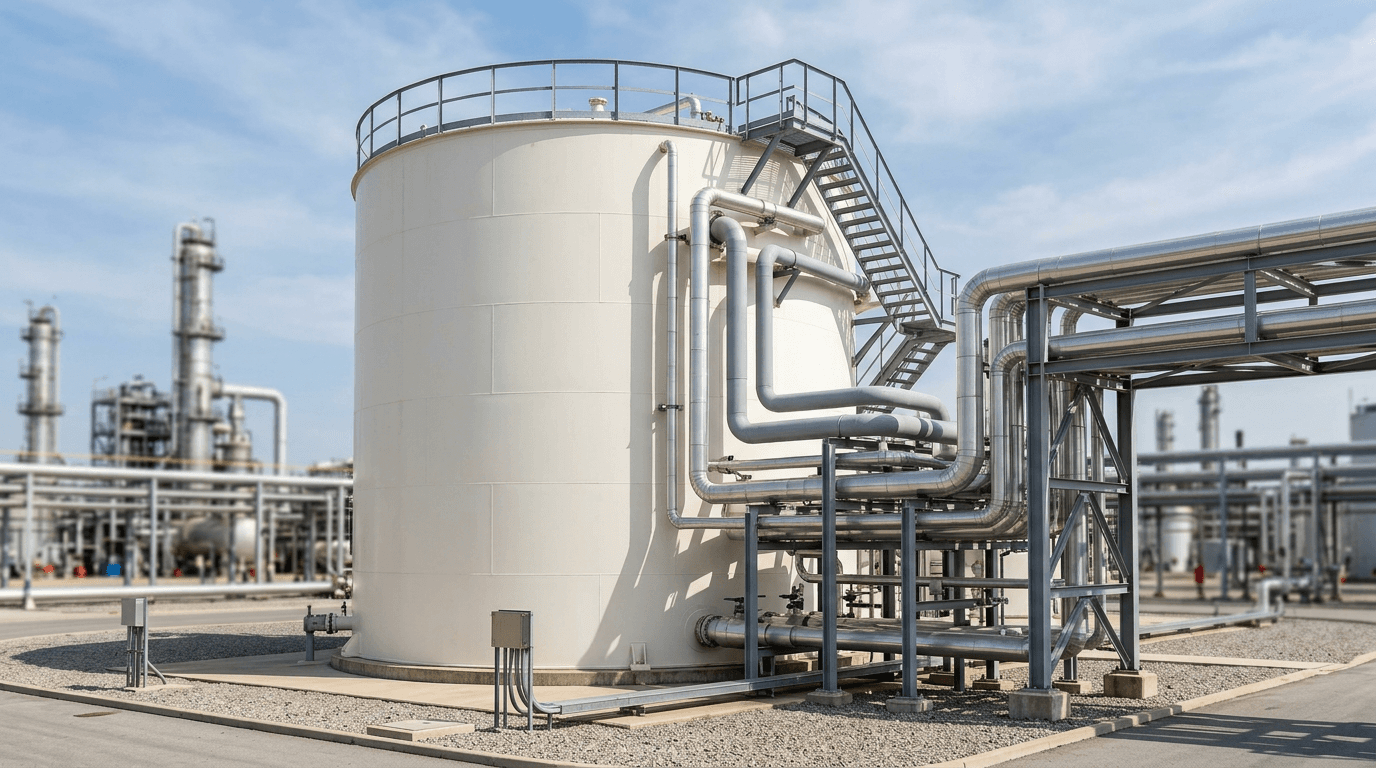
Benzene Market Outlook as Northeast Asia Supply Tightness Begins to Ease
Northeast Asia’s benzene market is showing early signs of recovery as cracker operations improve and Gulf supply routes reopen. This analysis explains how gradual supply restoration may affect downstream chemical buyers in Q3 2026.
Don't miss out on our updates! Subscribe to our newsletter now
We're committed to your privacy. Tradeasia uses the information you provide to us to contact you about our relevant content, products, and services. For more information, check out our privacy policy.