
Related Insights
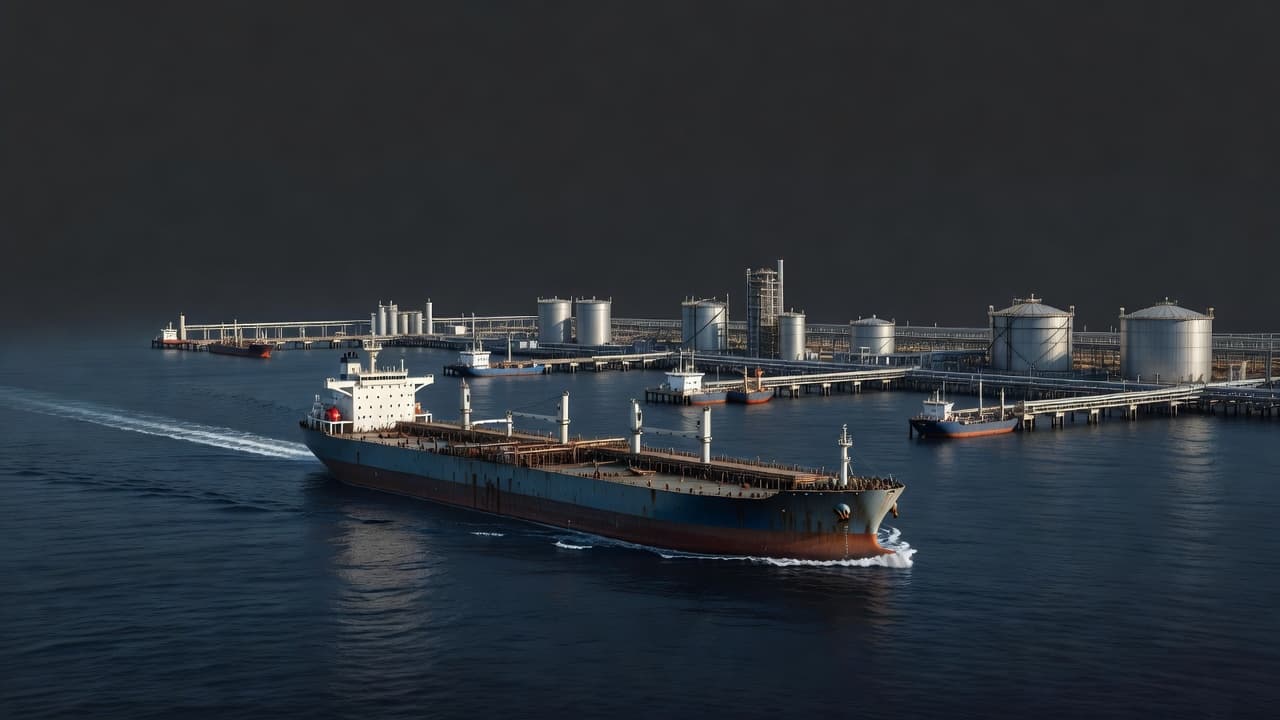
Energy Policy Whiplash: What Wright's "Hormuz Tolls Are Off the Table" Comment Means for Chemical Trade
Recent comments from Energy Secretary Wright indicating that Hormuz tolls are no longer under consideration have introduced a new policy signal for global energy and chemical markets. Procurement and compliance teams should understand how changing policy direction can influence logistics planning, freight costs and sourcing strategies.

Heparin and Biologics Raw Materials: Supply Chain Review and Procurement Outlook for H2 2026
The biologics supply chain remained resilient through H1 2026 despite higher logistics costs. As heparin production stays concentrated and biologics demand grows, procurement teams should focus on diversification, quality assurance, and long-term supplier partnerships.
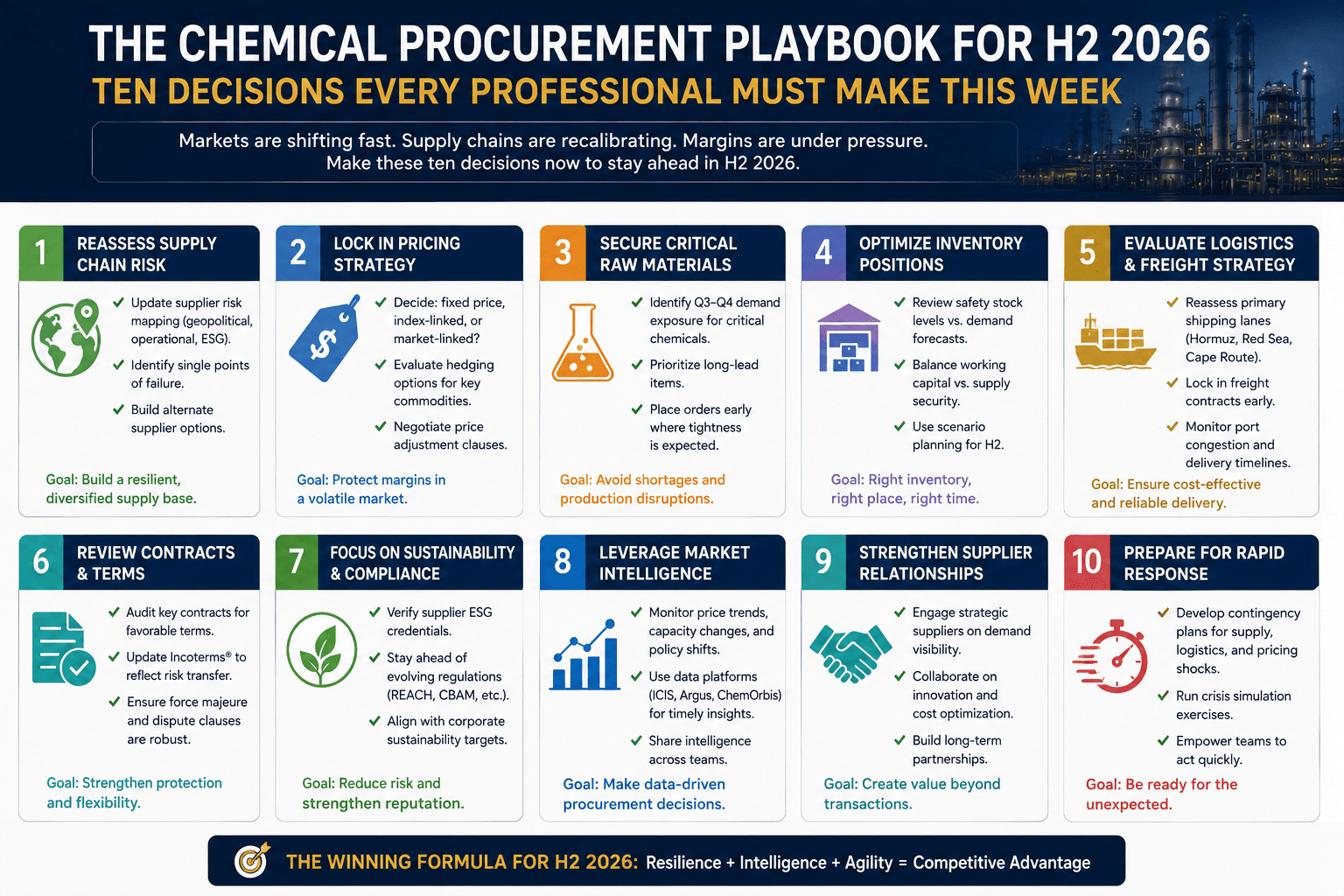
The Chemical Procurement Playbook for H2 2026: Ten Decisions Every Professional Must Make This Week
H2 2026 begins with a critical decision window for chemical procurement professionals. From India duty deadlines and Gulf supply recovery to freight renegotiation, fertilizer contracts, and regulatory compliance, these ten strategic decisions could define procurement performance for the rest of the year.
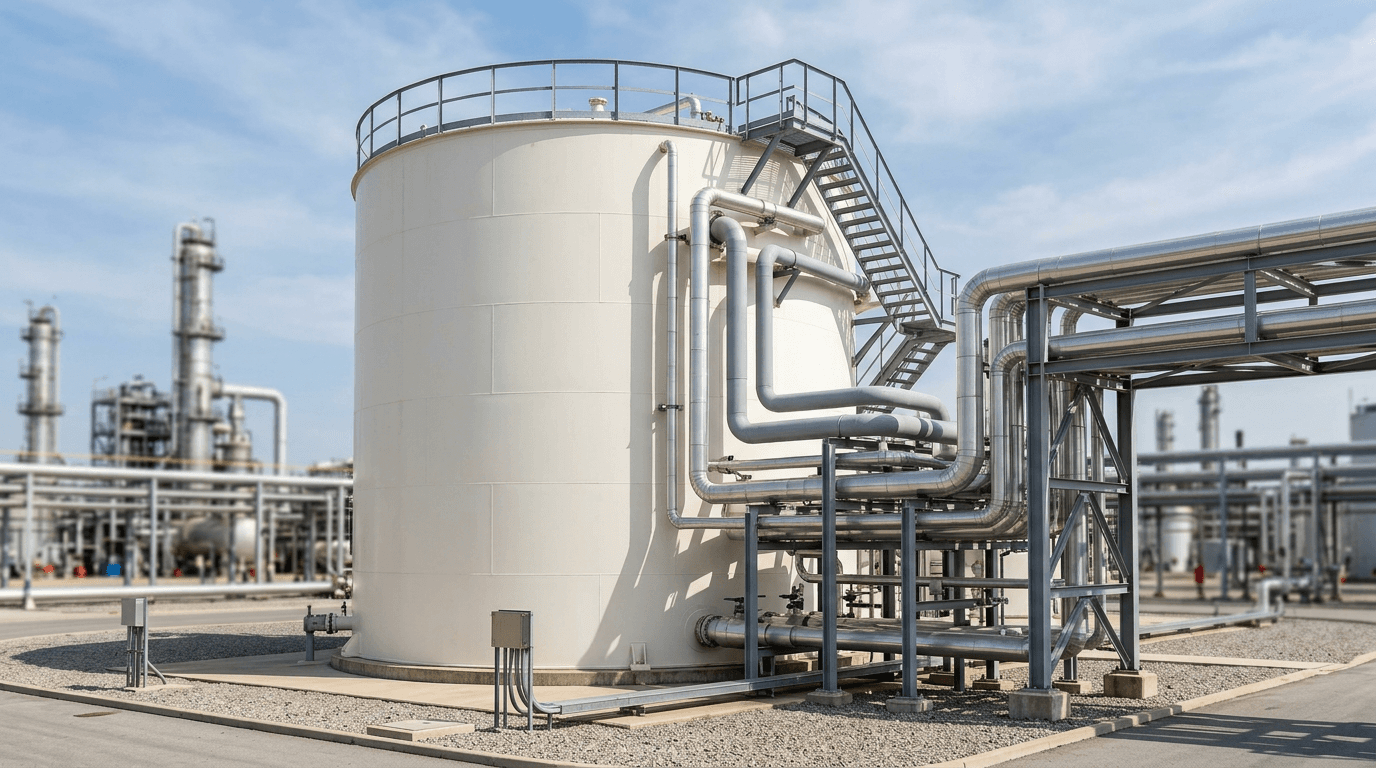
Benzene Market Outlook as Northeast Asia Supply Tightness Begins to Ease
Northeast Asia’s benzene market is showing early signs of recovery as cracker operations improve and Gulf supply routes reopen. This analysis explains how gradual supply restoration may affect downstream chemical buyers in Q3 2026.

US-Iran MOU: 60-Day Nuclear Negotiation Window Is the Next Chemical Market Risk Event
The US-Iran MOU has initiated a 60-day nuclear negotiation window running to August 2026, creating a key risk horizon for global chemical markets. Any breakdown in talks could escalate tensions around the Hormuz Strait, potentially disrupting supply chains and triggering volatility in commodity chemical pricing.

Shipping Route Resilience: Which Chemical Supply Chains Are Most Exposed to Chokepoint Risk?
The 2026 Hormuz crisis demonstrated that shipping chokepoints are no longer theoretical risks. For chemical buyers, understanding which products depend on vulnerable trade corridors has become essential for procurement planning and supply chain resilience.
Don't miss out on our updates! Subscribe to our newsletter now
We're committed to your privacy. Tradeasia uses the information you provide to us to contact you about our relevant content, products, and services. For more information, check out our privacy policy.