
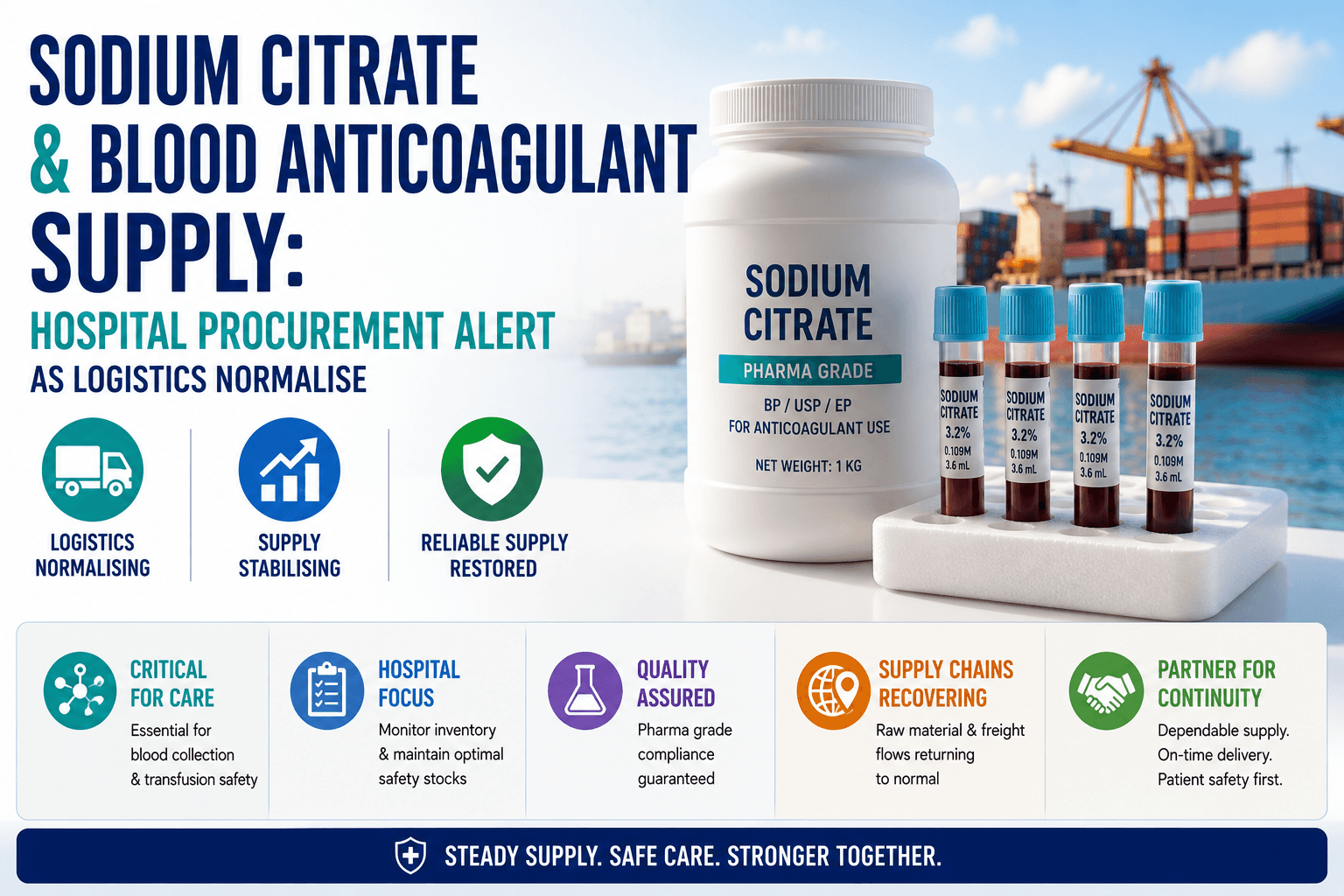
Trisodium Citrate Dihydrate (E331(iii)) CAS: 6132-04-3
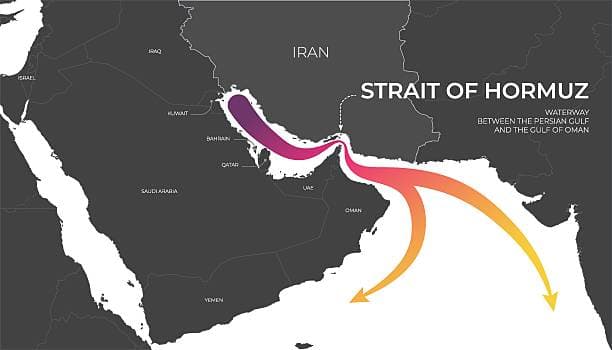
Simultaneous threats to the Hormuz and Bab el-Mandeb choke points could ripple through global shipping and chemical supply chains, demanding urgent resilience measures. This article examines the risks, impacts, and strategies to mitigate disruption.

The withdrawal of P&I insurance during the earlier Hormuz disruption sparked discussion about government-backed insurance solutions for commercial shipping. Chemical procurement and compliance teams should understand how future insurance frameworks could influence freight costs and supply chain resilience.

Healthcare policy changes and renewed trade disruptions are creating a complex compliance environment for pharmaceutical and chemical companies. Procurement and compliance teams should prepare for simultaneous regulatory, logistics and supply chain challenges.
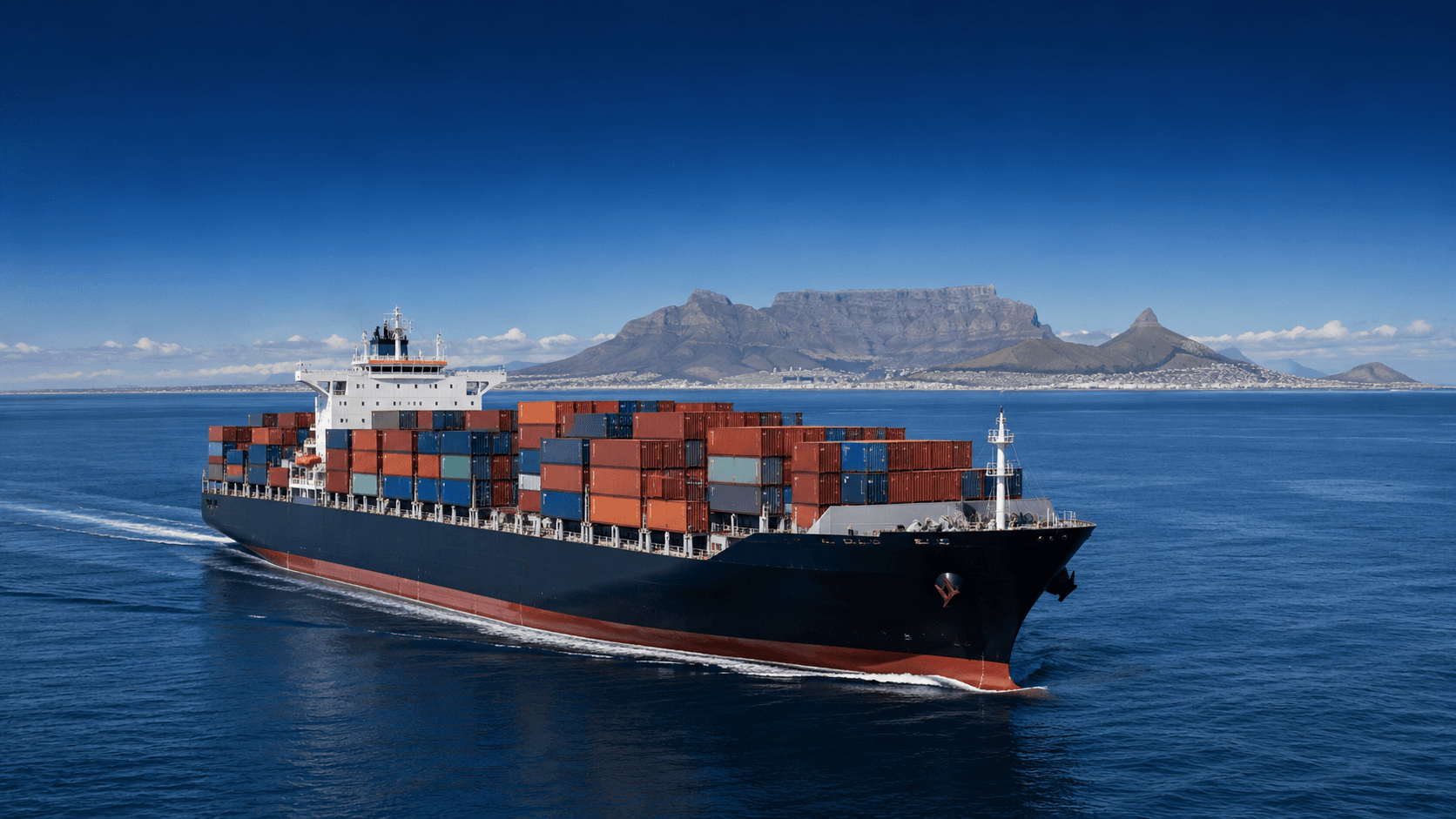
The Red Sea double closure continues to reshape food ingredient logistics between Asia and Europe despite improving Gulf shipping conditions. Procurement teams now face longer transit times, higher freight costs and new sourcing strategies as Cape routing remains the only practical option.

China's chemical industry ended H1 2026 as the world's primary swing supplier, filling supply gaps created by disruptions in Gulf exports. As Middle Eastern production steadily returns, procurement teams must determine which Chinese export advantages remain permanent and which were driven by exceptional market conditions.

India's temporary customs duty waiver on key pharmaceutical packaging polymers expires, reshaping procurement costs for medical packaging manufacturers. Here's what pharmaceutical companies should expect in Q3 2026.
We're committed to your privacy. Tradeasia uses the information you provide to us to contact you about our relevant content, products, and services. For more information, check out our privacy policy.