
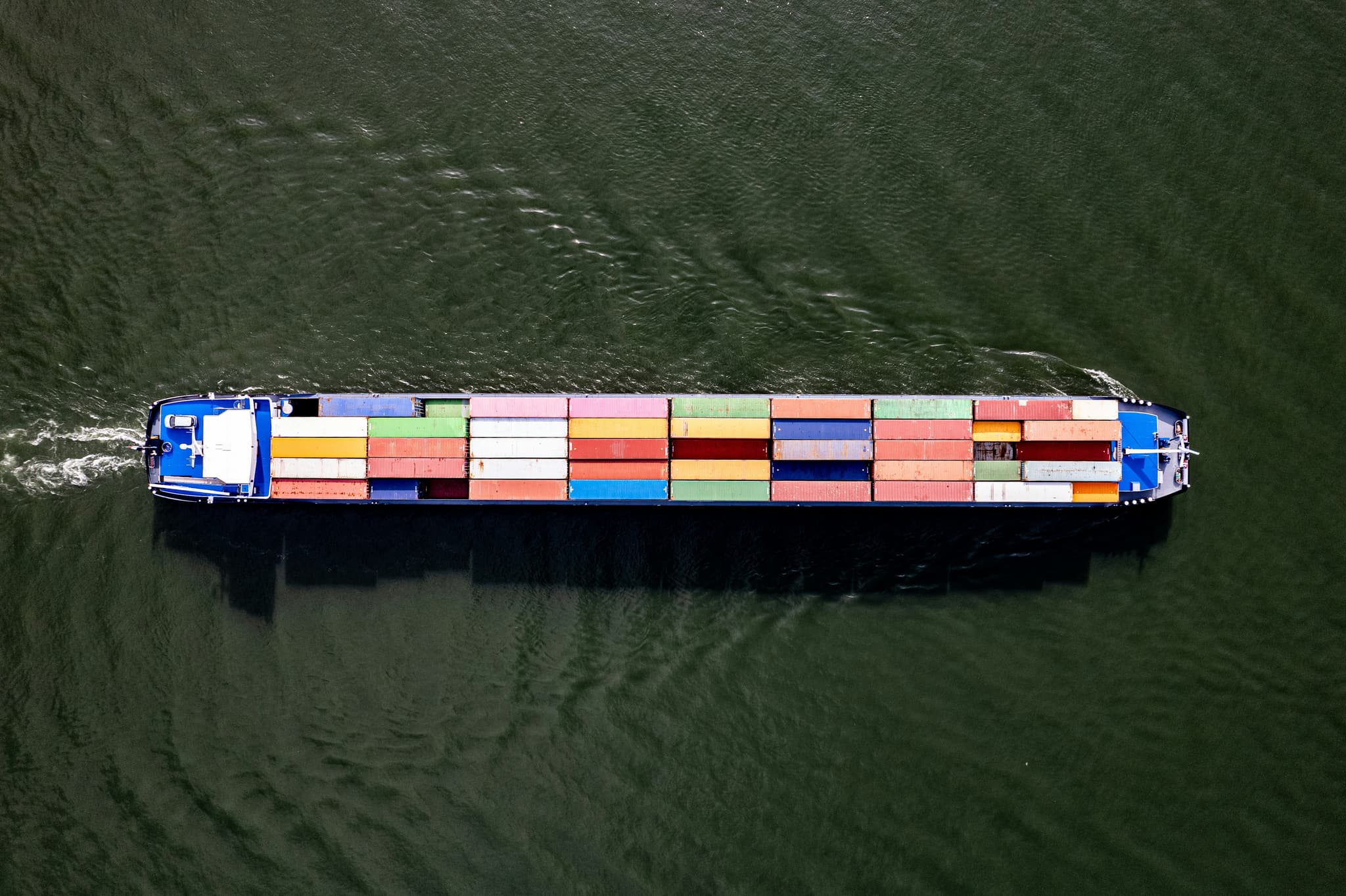
In the chemical industry, supply chain disruptions can lead to costly downtime, regulatory fines, and reputational damage. Traditional risk assessment relies on intuition and static spreadsheets, but the growing volume of incident data offers a powerful, evidence‑based alternative. A dedicated supply chain incident database aggregates real‑world events—transport delays, storage failures, regulatory breaches—providing a searchable, up‑to‑date knowledge base for procurement professionals.
Why Incident Databases Matter
Incident databases transform scattered reports into actionable intelligence. They enable teams to:
Identify patterns across suppliers, regions, and transport modes.
Quantify risk exposure with metrics like incident frequency and severity.
Benchmark performance against industry peers.
Data‑driven insights replace gut feeling, accelerating decision cycles and reducing the margin for error.
Assessing Logistics Risks with Data
Logistics is a major risk vector for chemicals: temperature excursions, hazardous material spills, and port congestion can all derail deliveries. A well‑structured incident database allows procurement to:
Map risk hotspots by geolocation and mode of transport.
Simulate scenarios using historical event frequencies.
Prioritize mitigation actions based on quantified impact.
For example, if the database shows a 5% higher incident rate for refrigerated containers in Southeast Asia, the team can negotiate stricter temperature controls or select alternative carriers.
Strengthening Sourcing Strategies
Supplier selection is no longer a blind gamble. With incident data, teams can:
Score suppliers on a risk index derived from past incidents.
Detect early warning signs such as repeated safety violations.
Diversify sourcing by identifying low‑risk regions and modes.
Integrating the database into the supplier evaluation workflow ensures that risk factors are weighted alongside cost, quality, and lead time.
Improving Business Continuity
Continuity planning thrives on foresight. Incident databases provide:
Real‑time alerts for emerging crises.
Contingency validation by comparing planned responses to מנ successful past actions.
Regulatory compliance support by tracking compliance‑related incidents.
Consequently, organizations can pre‑empt disruptions, maintain inventory buffers, and satisfy stakeholder expectations.
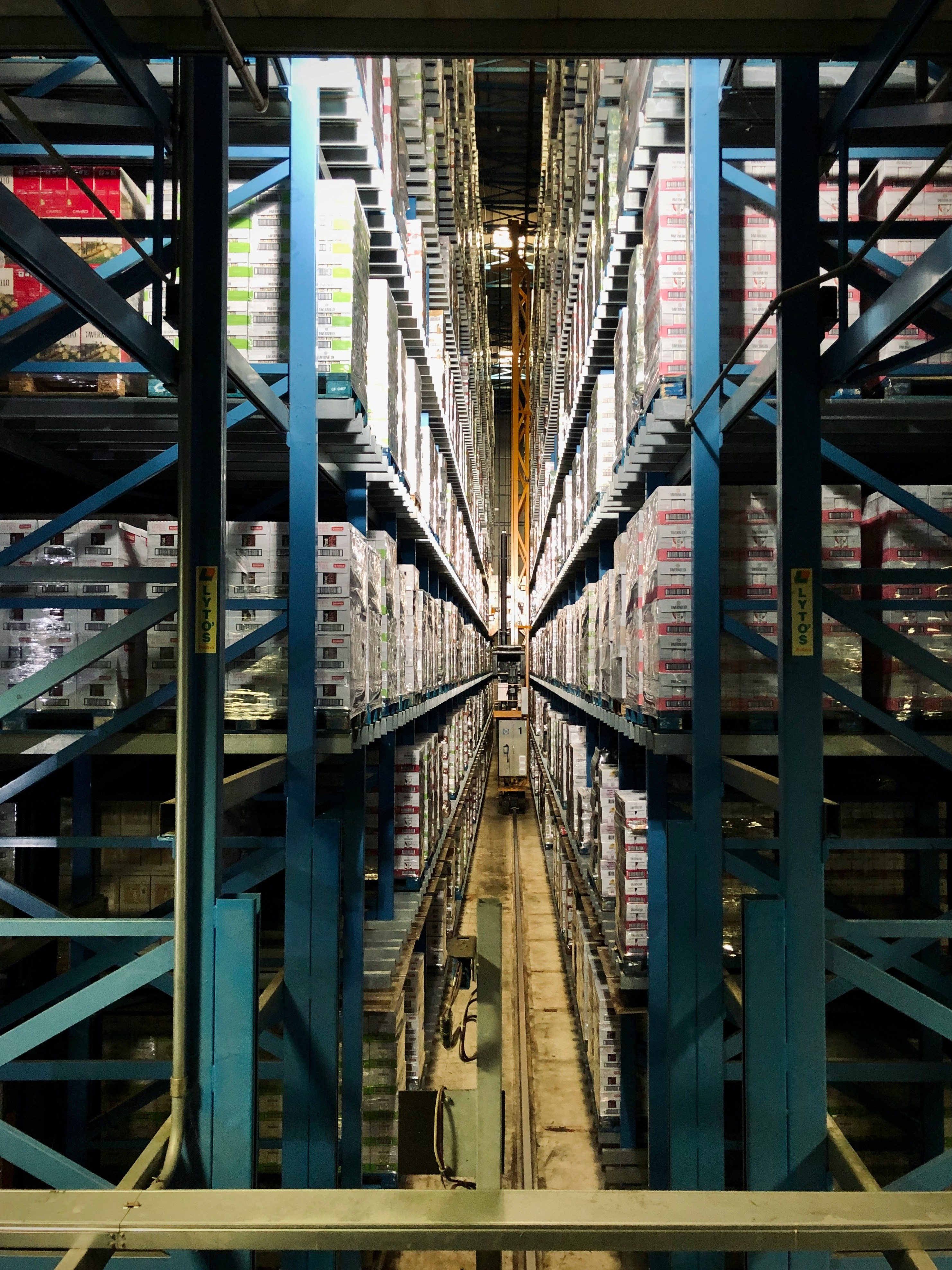
Implementation Tips
Adopting an incident database requires strategic alignment:
Define objectives—risk assessment, sourcing, or continuity—and tailor data fields accordingly.
Integrate data sources—incident reports, transport logs, incident management systems—to ensure completeness.
Establish governance—data quality checks, access controls, and responsibility mapping.
Train users—equip procurement, logistics, and risk teams with analytical skills.
Iterate—refine risk models as new incidents feed into the database.
Choosing a platform that supports customizable dashboards and advanced analytics (e.g., GIS mapping, predictive modeling) maximizes ROI.
Conclusion
A supply chain incident database is more than a repository; it is an engine for smarter procurement. By turning past events into predictive insights, chemical companies can assess logistics risks, strengthen sourcing strategies, and boost business continuity—all while driving down costs and regulatory exposure.
Acrylonitrile CAS: 107-13-1