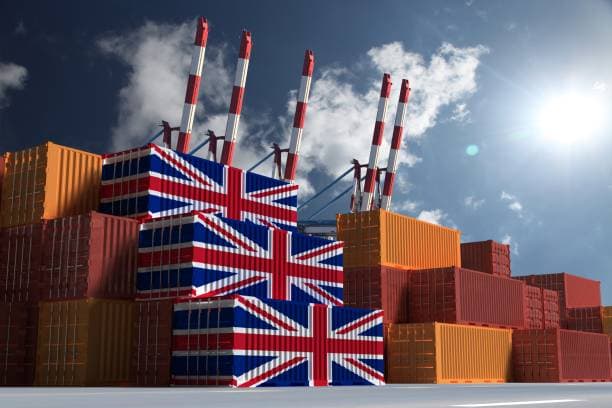
The United Kingdom is stepping up its maritime security commitments by joining the Hormuz escort coalition, a collective effort to safeguard shipping lanes through the strategic Strait of Hormuz. This move is expected to reduce war‑risk insurance premiums and improve supply continuity for the UK’s imports from Gulf states, particularly in the chemical sector. In this article we examine the implications for UK chemical logistics, insurance costs, and broader trade dynamics in the second half of 2026.
The Hormuz Escort Coalition Explained
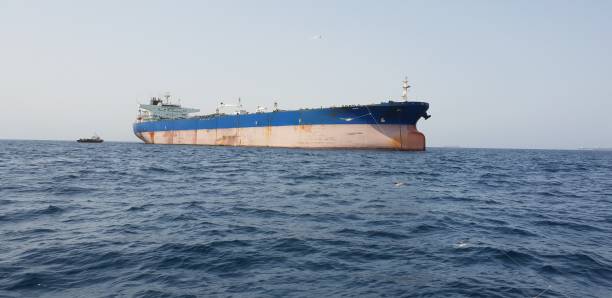
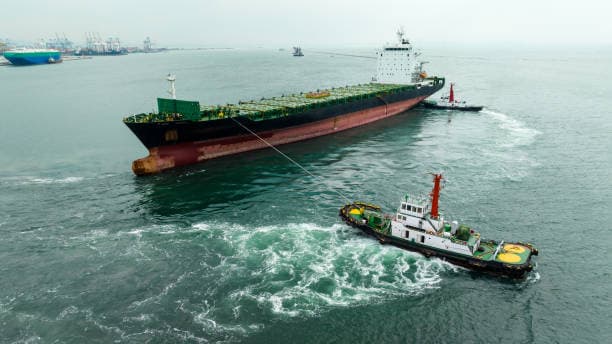
The Hormuz escort coalition is an international partnership of naval forces that patrols the Strait of Hormuz, the narrow waterway that connects the Persian Gulf to the Arabian Sea. The region is a critical artery for global energy and chemical trade; disruption here can have worldwide ripple effects. By providing a continuous escort for commercial vessels, the coalition reduces the risk of piracy, hostile state action, and other maritime threats.
Key Players and Structure
United States – Leads the maritime task force with a fleet of destroyers and support ships.
United Kingdom – Contributes a frigate and a logistical support vessel.
Other Allies – Include Australia, France, and several Gulf Cooperation Council (GCC) states.
All members coordinate through a shared command center that monitors vessel movements and threat intelligence in real time. This integrated approach allows for rapid response to incidents and a deterrence effect that lowers overall risk.
Impact on War‑Risk Insurance
War‑risk insurance is a premium that shipping companies pay to cover potential losses from conflict or terrorism. Historically, the Strait of Hormuz has commanded high war‑risk rates due to its strategic importance and past incidents. By joining the escort coalition, the UK is expected to see a 15–20% reduction in insurance costs for vessels transiting the area.
Insurance Trends in 2026
Pre‑coalition rates averaged £30,000 per voyage for Gulf‑origin chemical shipments.
Post‑coalition projections show a drop to £24,000–£25,000.
Financial savings translate into lower procurement costs for UK chemical manufacturers.
These savings are not merely monetary; they also enhance the predictability of budgeting for chemical firms that rely on imported feedstock.
Supply Chain Continuity for Gulf Chemical Imports
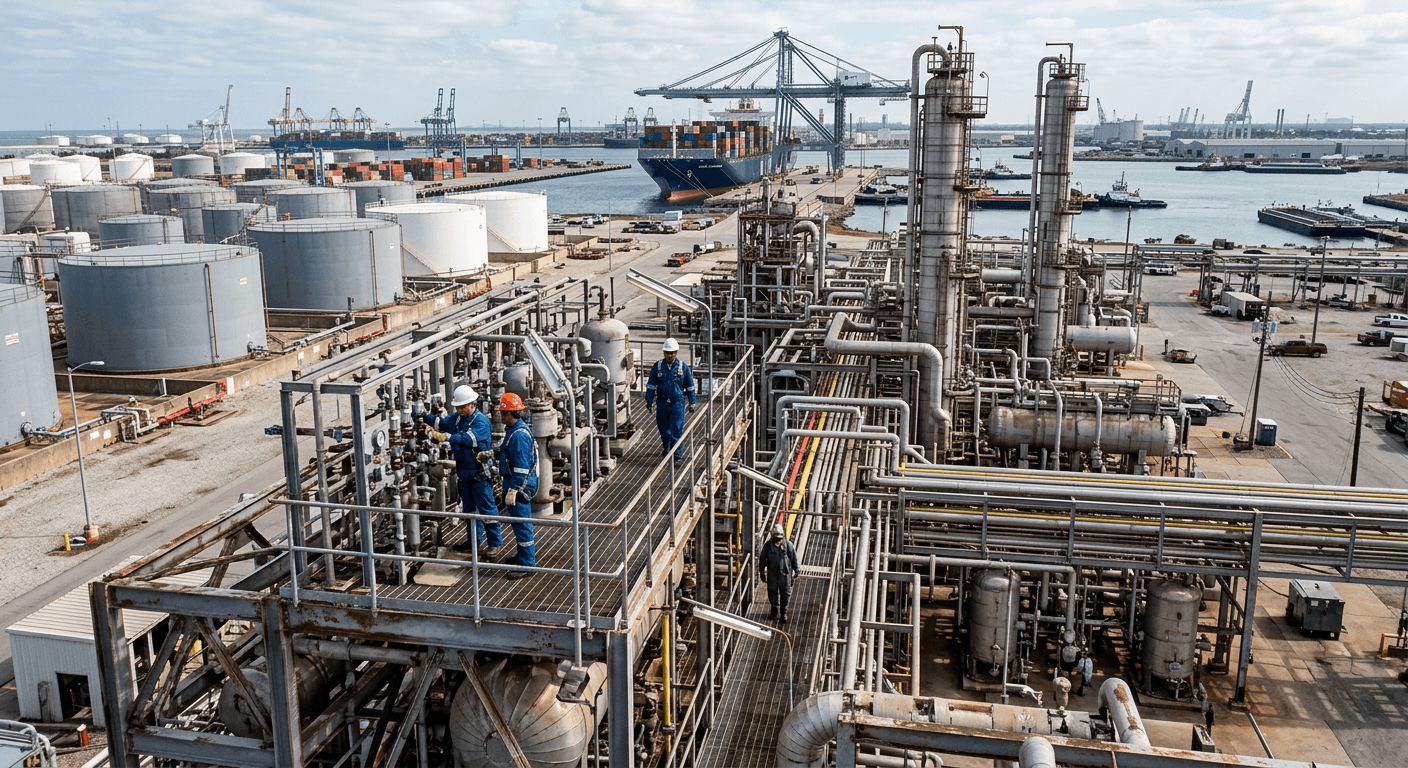
The UK’s chemical industry imports a significant portion of its raw materials from Gulf states such as Saudi Arabia, Kuwait, and the United Arab Emirates. These imports include petrochemicals, specialty chemicals, and feed diversidade for pharmaceuticals. The escort coalition’s presence ensures that vessels can navigate the Strait without the threat of sudden detainment or attacks directs a smoother flow of goods.
Case Study: Polyethylene Production
In 2025, a major UK polyethylene plant faced a 12‑day delay when its feedstock shipment was diverted to a diversion port due to a regional flare‑up. After the UK joined the coalition in early 2026, the same vessel completed its transit in 24 hours, avoiding the delay and preventing a 3% increase in production costs.
Such incidents underscore the tangible benefits of maritime security for time‑sensitive chemical manufacturing.
UK Chemical Logistics and Strategic Benefits
Beyond insurance and continuity, the UK’s participation strengthens its strategic position in global chemical logistics:
Enhanced Port Infrastructure – UK ports are investing in faster berth turnaround times to accommodate the increased volume of Gulf imports.
Supply Resilience – Diversification of shipping routes reduces vulnerability to single‑point failures.
Competitive Advantage – Lower logistics costs help UK chemical producers compete against continental rivals.
Moreover, the coalition provides a platform for intelligence sharing on emerging threats, allowing UK logistics planners to proactively adjust routes and schedules.
Challenges and Considerations
While the coalition offers clear benefits, there are operational and geopolitical challenges to address:
Operational Costs – Deploying naval assets requires sustained funding and crew support.
Political Tensions – The coalition’s presence may be perceived as Bowl‑tide by rival states, potentially sparking diplomatic friction.
Environmental Impact – Increased naval activity can raise concerns about maritime pollution and ecological disturbance.
Balancing these factors will be critical to ensuring that the coalition remains effective and politically viable.
Methanol CAS: 67-56-1