
Related Insights

Ecolab's Semiconductor Water Pivot and Environmental Compliance: What It Means for Chemical Procurement
Ecolab's acquisition of Ovivo's electronics ultrapure water business strengthens its role in semiconductor manufacturing, where water management is critical. Procurement and sustainability teams should understand how this development may influence supplier engagement and environmental reporting.
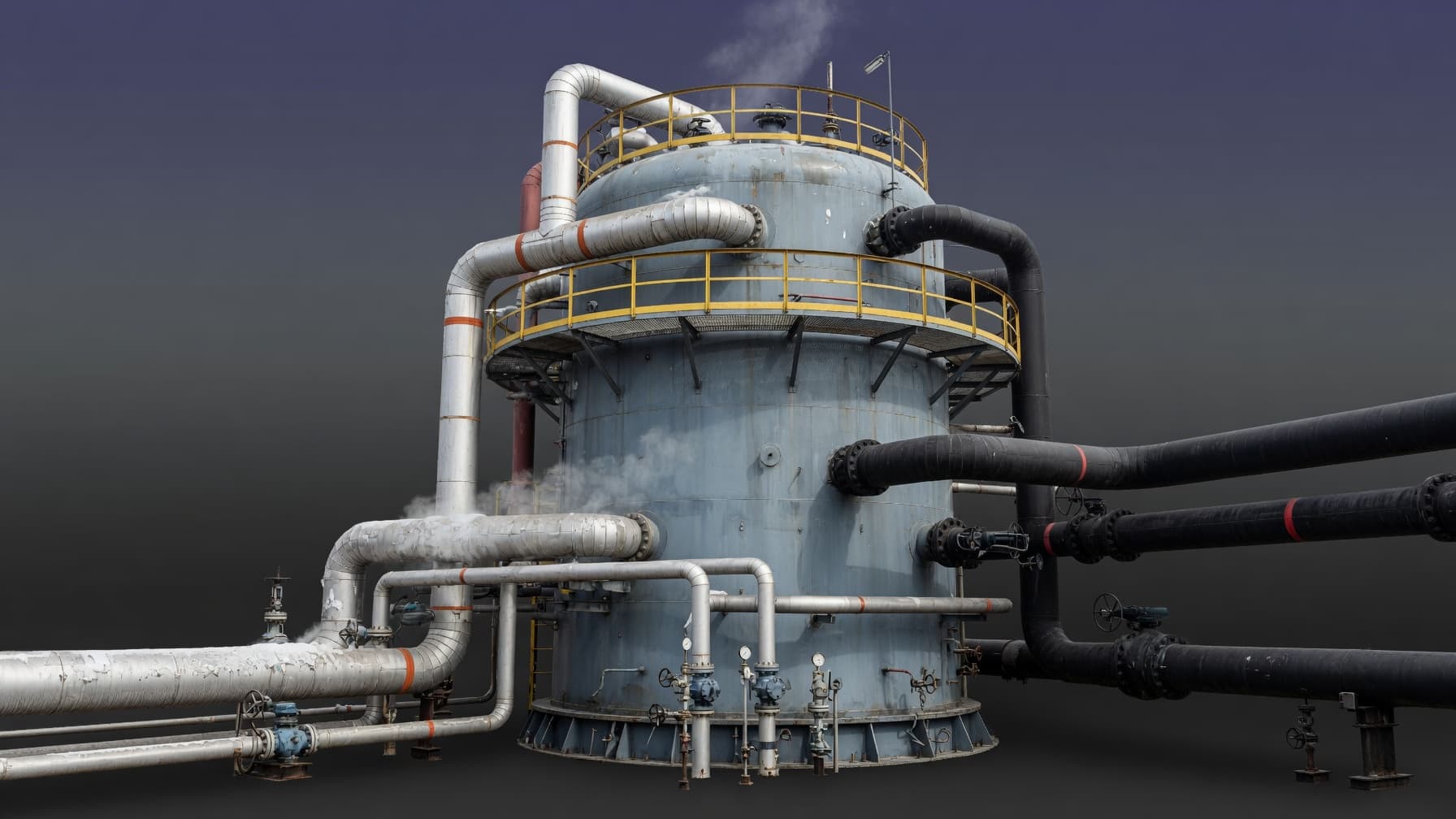
Germany's Chemical Capacity Utilization Stuck at 75.1%: What VCI's Unprofitable Threshold Means for Buyers
German chemical capacity utilization improved slightly to 75.1% but remains below the level needed for profitable production. With VCI expecting output to fall again across 2026, procurement teams should prepare for restructuring, reduced local availability and greater import dependence.

The Chemical Procurement Profession After 125 Days: What Has Permanently Changed
A definitive analytical article for Day 125 of the Hormuz crisis: what has permanently changed about the chemical procurement profession itself, not just the market conditions it manages.

Navigating Drug Shortages: Using IMO Incident Data to Mitigate Strait of Hormuz Supply Risks
The IMO dataset of 49 confirmed maritime incidents gives hospital pharmacy teams a structured roadmap to assess pharmaceutical exposure in the Gulf. By mapping API and chemical routes against high‑risk zones, procurement leaders can strategically plan Q3 logistics and safeguard patient care.

Green Ammonia: Post-Bürgenstock Timeline for Gulf Projects
Green ammonia projects across the Gulf have been delayed following the Hormuz crisis, pushing major timelines into 2027–2028. For long-term hydrogen buyers, the disruption strengthens the case for diversifying supply beyond the Gulf into Europe, Africa, and Australia.

Electronic Chemicals: Semiconductor Demand Structural — Not Hormuz Dependent
Unlike many chemical markets affected by the Hormuz disruption, electronic chemicals remain constrained due to structural semiconductor demand driven by AI and advanced chip manufacturing. Buyers should not expect supply conditions to ease alongside broader chemical markets in H2 2026.
Don't miss out on our updates! Subscribe to our newsletter now
We're committed to your privacy. Tradeasia uses the information you provide to us to contact you about our relevant content, products, and services. For more information, check out our privacy policy.