
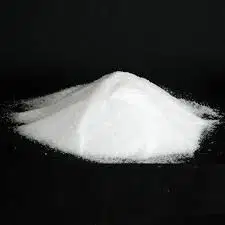
Polyvinyl Alcohol (24-88) - China
- IUPAC Name
- polyvinyl alcohol
- Molecular Formula
- (C2H4O)n partially hydrolyzed PVAc
- Synonyms & Trade Names
- PVA; Polyvinyl alcohol; PVOH; Elvanol
- Purity / Assay (%)
- Degree of hydrolysis 88±1%
- Grade / Quality Level
- Industrial Grade
- Physical Form
- Solid
Categories
Technical Document
Brief Overview
Polyvinyl alcohols, also known as Polyethanol or PVA, are polymers from its monomer vinyl alcohol. Polyvinyl alcohol is physically odorless and tasteless, translucent, non- toxic, white or cream colored granular powder. The specific functional and physical characteristics of polyvinyl alcohol will depend on the degree of hydrolysis and the degree of polymerization. Because of that, polyvinyl alcohol is classified into two classes namely: partially hydrolyzed and fully hydrolyzed. Partially hydrolyzed PVA is usually applied in the food industry. Certain grades of PVA also exhibit biodegradability, adding to its appeal as a more environmentally conscious material.
Manufacturing Process
Polyvinyl Alcohol (PVA) is mainly produced in two steps: first, vinyl acetate is polymerized into polyvinyl acetate (PVAc). Then, PVAc undergoes hydrolysis in an alcohol solution with an alkaline catalyst to replace acetate groups with hydroxyl groups, forming PVA. The degree of this replacement dictates PVA's final properties, like water solubility. Finally, the resulting PVA is separated, purified, and dried