
 Reuters reported Middle Eastern crude prices in Asia dropped to their lowest point inmonths as Asian refiners held off on spot purchases and China and India gorged on cheap Russian oil.
In accordance with traders, Saudi Arabia, the world's largest exporter, may lower rates for its term cargoes to Asia for a second consecutive month in July as a result of the price decline. On Wednesday, the benchmark Dubai crude premium dropped to a 4-month low of 70 cents per barrel over Dubai quotes, and Qatar set the price of al-Shaheen for the July term at a 27-month low after increasing supplies.
China and India, the world's No. 1 and No. 3 crude importers, respectively, are purchasing record amounts of Russian crude at the highest prices since the December embargo, in contrast to Europe and the United States where sour crude prices have weakened due to the boycott of Russia's oil and the strong demand for alternative supplies.
Some Asian refiners reduced output in April 2023 as a result of low refining profits, according to traders.
Russian crude arrivals in China in May are predicted by shiptracking data from Kpler to be approximately 44 million barrels, the second-highest level ever. According to Vortexa statistics, China's commercial crude inventory increased to 950 million barrels this week from less than 900 million barrels two months prior, indicating that its refiners are not in a rush to purchase additional oil.
In June and July, Taiwan's Formosa Petrochemical (6505.TW) intends to reduce the amount of oil processed at its 450,000 bpd Mailiao refinery.
Following the closure of a 129,000 bpd unit last week by another Japanese refiner, Eneos (5020.T), Cosmo Oil (5021.T) of Japan shut down a 102,000 bpd crude processing facility on Wednesday.
Since lighter grades produce products of greater quality, their prices are often higher than those of heavier grades.
Additionally, American crude is becoming more expensive than Middle Eastern oil for Asian consumers, thereby narrowing the opportunity for arbitrage for American oil supplies to Asia.
References:
Xu, Muyu. 2023. Reuters: Sour crude prices weaken in Asia despite OPEC+ cuts. Retrieved from https://www.reuters.com/markets/commodities/sour-crude-prices-weaken-asia-despite-opec-cuts-2023-05-19/
Image by atlascompany via https://www.freepik.com/
Reuters reported Middle Eastern crude prices in Asia dropped to their lowest point inmonths as Asian refiners held off on spot purchases and China and India gorged on cheap Russian oil.
In accordance with traders, Saudi Arabia, the world's largest exporter, may lower rates for its term cargoes to Asia for a second consecutive month in July as a result of the price decline. On Wednesday, the benchmark Dubai crude premium dropped to a 4-month low of 70 cents per barrel over Dubai quotes, and Qatar set the price of al-Shaheen for the July term at a 27-month low after increasing supplies.
China and India, the world's No. 1 and No. 3 crude importers, respectively, are purchasing record amounts of Russian crude at the highest prices since the December embargo, in contrast to Europe and the United States where sour crude prices have weakened due to the boycott of Russia's oil and the strong demand for alternative supplies.
Some Asian refiners reduced output in April 2023 as a result of low refining profits, according to traders.
Russian crude arrivals in China in May are predicted by shiptracking data from Kpler to be approximately 44 million barrels, the second-highest level ever. According to Vortexa statistics, China's commercial crude inventory increased to 950 million barrels this week from less than 900 million barrels two months prior, indicating that its refiners are not in a rush to purchase additional oil.
In June and July, Taiwan's Formosa Petrochemical (6505.TW) intends to reduce the amount of oil processed at its 450,000 bpd Mailiao refinery.
Following the closure of a 129,000 bpd unit last week by another Japanese refiner, Eneos (5020.T), Cosmo Oil (5021.T) of Japan shut down a 102,000 bpd crude processing facility on Wednesday.
Since lighter grades produce products of greater quality, their prices are often higher than those of heavier grades.
Additionally, American crude is becoming more expensive than Middle Eastern oil for Asian consumers, thereby narrowing the opportunity for arbitrage for American oil supplies to Asia.
References:
Xu, Muyu. 2023. Reuters: Sour crude prices weaken in Asia despite OPEC+ cuts. Retrieved from https://www.reuters.com/markets/commodities/sour-crude-prices-weaken-asia-despite-opec-cuts-2023-05-19/
Image by atlascompany via https://www.freepik.com/Regardless of Cuts from OPEC+, Sour Crude Prices Declined in Asia
 Reuters reported Middle Eastern crude prices in Asia dropped to their lowest point inmonths as Asian refiners held off on spot purchases and China and India gorged on cheap Russian oil.
In accordance with traders, Saudi Arabia, the world's largest exporter, may lower rates for its term cargoes to Asia for a second consecutive month in July as a result of the price decline. On Wednesday, the benchmark Dubai crude premium dropped to a 4-month low of 70 cents per barrel over Dubai quotes, and Qatar set the price of al-Shaheen for the July term at a 27-month low after increasing supplies.
China and India, the world's No. 1 and No. 3 crude importers, respectively, are purchasing record amounts of Russian crude at the highest prices since the December embargo, in contrast to Europe and the United States where sour crude prices have weakened due to the boycott of Russia's oil and the strong demand for alternative supplies.
Some Asian refiners reduced output in April 2023 as a result of low refining profits, according to traders.
Russian crude arrivals in China in May are predicted by shiptracking data from Kpler to be approximately 44 million barrels, the second-highest level ever. According to Vortexa statistics, China's commercial crude inventory increased to 950 million barrels this week from less than 900 million barrels two months prior, indicating that its refiners are not in a rush to purchase additional oil.
In June and July, Taiwan's Formosa Petrochemical (6505.TW) intends to reduce the amount of oil processed at its 450,000 bpd Mailiao refinery.
Following the closure of a 129,000 bpd unit last week by another Japanese refiner, Eneos (5020.T), Cosmo Oil (5021.T) of Japan shut down a 102,000 bpd crude processing facility on Wednesday.
Since lighter grades produce products of greater quality, their prices are often higher than those of heavier grades.
Additionally, American crude is becoming more expensive than Middle Eastern oil for Asian consumers, thereby narrowing the opportunity for arbitrage for American oil supplies to Asia.
References:
Xu, Muyu. 2023. Reuters: Sour crude prices weaken in Asia despite OPEC+ cuts. Retrieved from https://www.reuters.com/markets/commodities/sour-crude-prices-weaken-asia-despite-opec-cuts-2023-05-19/
Image by atlascompany via https://www.freepik.com/
Reuters reported Middle Eastern crude prices in Asia dropped to their lowest point inmonths as Asian refiners held off on spot purchases and China and India gorged on cheap Russian oil.
In accordance with traders, Saudi Arabia, the world's largest exporter, may lower rates for its term cargoes to Asia for a second consecutive month in July as a result of the price decline. On Wednesday, the benchmark Dubai crude premium dropped to a 4-month low of 70 cents per barrel over Dubai quotes, and Qatar set the price of al-Shaheen for the July term at a 27-month low after increasing supplies.
China and India, the world's No. 1 and No. 3 crude importers, respectively, are purchasing record amounts of Russian crude at the highest prices since the December embargo, in contrast to Europe and the United States where sour crude prices have weakened due to the boycott of Russia's oil and the strong demand for alternative supplies.
Some Asian refiners reduced output in April 2023 as a result of low refining profits, according to traders.
Russian crude arrivals in China in May are predicted by shiptracking data from Kpler to be approximately 44 million barrels, the second-highest level ever. According to Vortexa statistics, China's commercial crude inventory increased to 950 million barrels this week from less than 900 million barrels two months prior, indicating that its refiners are not in a rush to purchase additional oil.
In June and July, Taiwan's Formosa Petrochemical (6505.TW) intends to reduce the amount of oil processed at its 450,000 bpd Mailiao refinery.
Following the closure of a 129,000 bpd unit last week by another Japanese refiner, Eneos (5020.T), Cosmo Oil (5021.T) of Japan shut down a 102,000 bpd crude processing facility on Wednesday.
Since lighter grades produce products of greater quality, their prices are often higher than those of heavier grades.
Additionally, American crude is becoming more expensive than Middle Eastern oil for Asian consumers, thereby narrowing the opportunity for arbitrage for American oil supplies to Asia.
References:
Xu, Muyu. 2023. Reuters: Sour crude prices weaken in Asia despite OPEC+ cuts. Retrieved from https://www.reuters.com/markets/commodities/sour-crude-prices-weaken-asia-despite-opec-cuts-2023-05-19/
Image by atlascompany via https://www.freepik.com/Related Insights
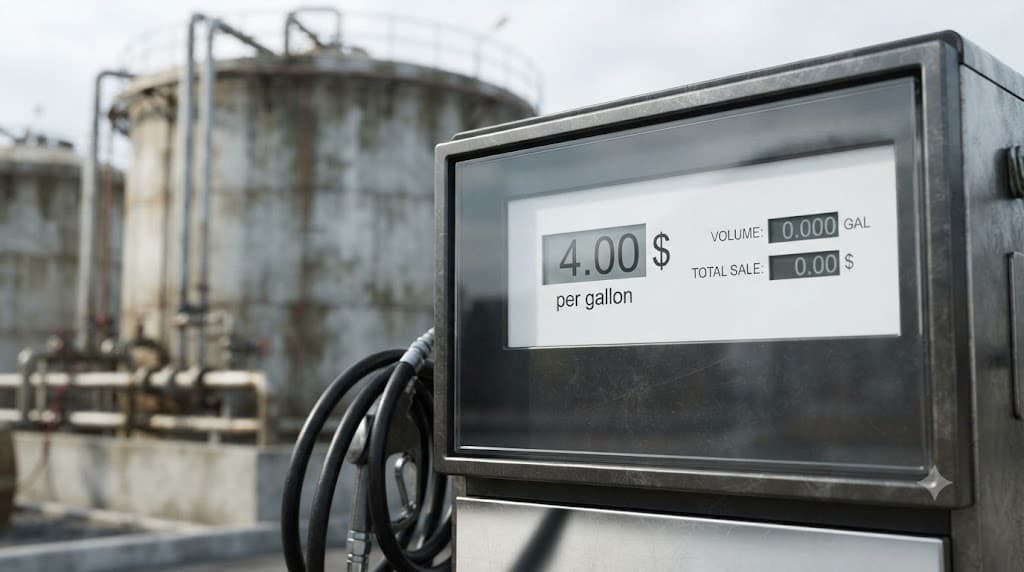
Gasoline Above $4 Per Gallon: Impact on Downstream Commodity Chemical Pricing
Rising gasoline prices above $4 per gallon are reshaping commodity chemical costs across multiple sectors. Procurement teams need to understand the pricing pressures and adjust sourcing strategies now.

South Korea's Small Cracker Shutdowns: What Asia's Petrochemical Consolidation Means for Buyers
South Korea's planned petrochemical restructuring is expected to close smaller stand-alone naphtha crackers, signalling a broader wave of capacity consolidation across Asia. Procurement teams should assess how fewer production assets may influence polymer supply, feedstock pricing and regional sourcing strategies.

Methanol: Ar-Razi's Suspended Exports and the Japanese JV's Q3 Supply Gap
The suspension of methanol exports from Ar-Razi Saudi Methanol, one of the world’s largest methanol producers and a critical Mitsubishi Gas Chemical joint venture, became one of the most important supply disruptions of the 2026 Hormuz crisis. This week may determine whether improving shipping conditions finally allow commercial supply recovery to begin.
India Duty Waiver Ends Tonight, The Most Critical Monoethylene Glycol Procurement Moment of 2026
India's temporary customs duty exemption on Monoethylene Glycol expires at midnight, creating a major turning point for polyester manufacturers and chemical buyers. As Gulf supply improves and production costs ease, procurement teams must balance lower international prices against higher landed costs before finalizing Q3 purchasing strategies.

The Paradox of June 29, 2026: Why Brent Is Below Pre-War Levels Despite Active Drone Strikes
Brent crude has fallen below pre-war levels despite active military escalation in the Gulf, creating a rare market paradox. For chemical procurement teams, falling feedstock costs and unresolved logistics risk are sending completely opposite signals into H2 2026.

Polypropylene Market Tightens as Asian PDH Units Increase LPG Demand and Propylene Supply Shrinks
The polypropylene market is entering a new phase of supply pressure as Asian PDH units increase LPG consumption while propylene availability tightens. Rising PP resin prices in China and uncertainty around Indian import policies are creating fresh challenges for buyers across the region.
Don't miss out on our updates! Subscribe to our newsletter now
We're committed to your privacy. Tradeasia uses the information you provide to us to contact you about our relevant content, products, and services. For more information, check out our privacy policy.