Understanding the 2026 Congestion Landscape
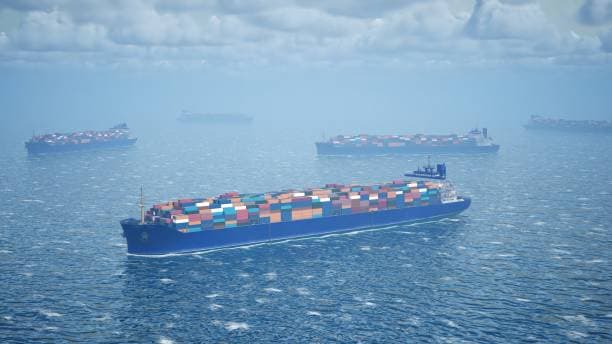
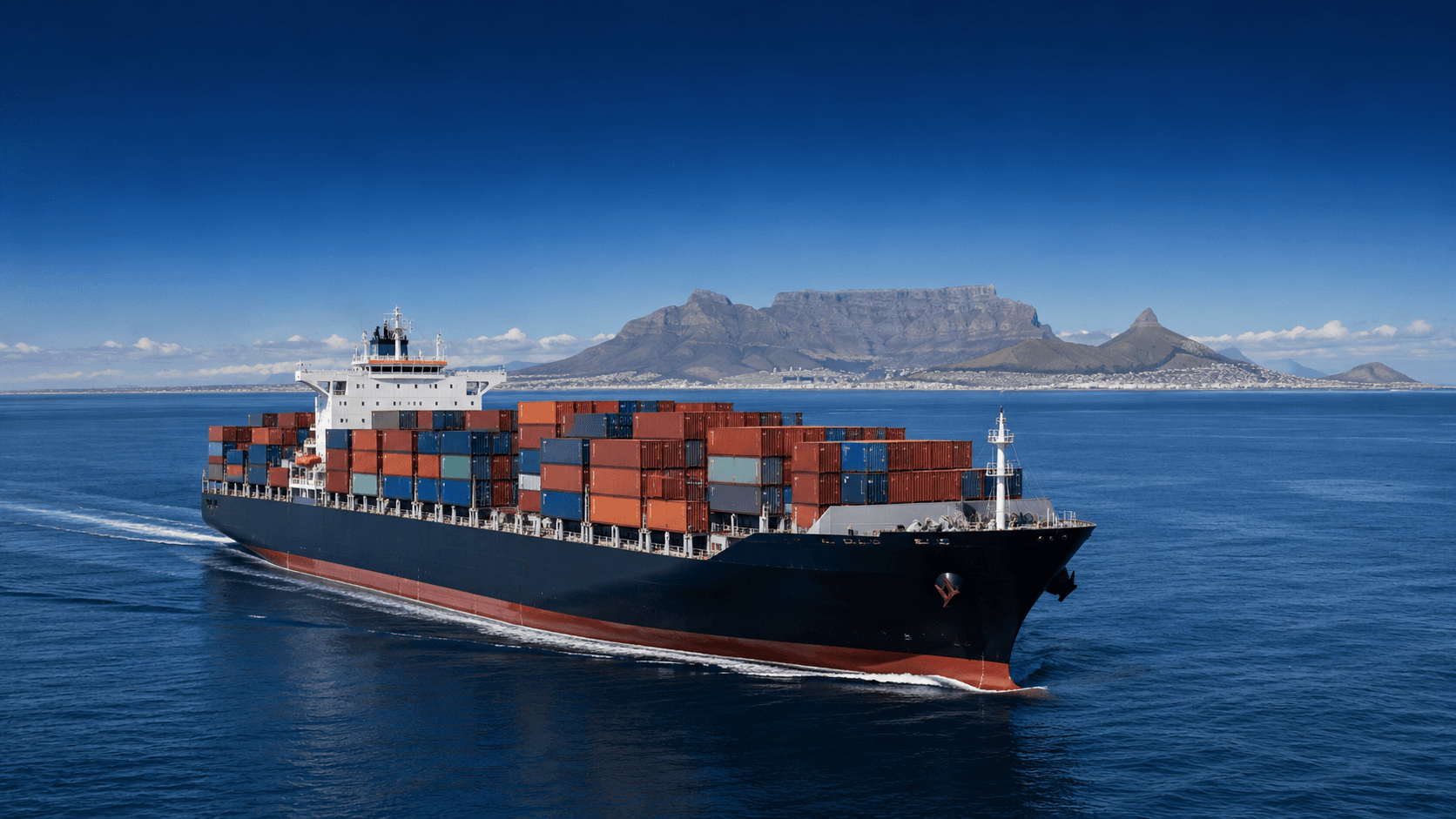
In 2026 the global shipping community faced a seismic shift when the Cape of Good Hope was closed, forcing vessels to detour eastwards around the southern tip of Africa. The detour added 10 to 14 days of transit time and increased effective shipping distances by roughly 25%. For the chemical sector, where timing is critical, the impact was immediate: fleet capacity fell by 15–20%, and vessels began arriving at destination ports in tightly packed “bunches.”
Key Congested Ports for Chemical Tankers
The rerouting pushed bulk carriers toward a handful of high‑traffic hubs. Singapore, Port Klang, Colombo, Rotterdam, and Antwerp became the convergence points for the majority of the chemical traffic. These ports already shoulder heavy traffic loads; the influx of rerouted vessels has strained berth availability, particularly for tankers carrying caustic soda, methanol, and various acids.
Berth Compatibility and Cleaning Delays
Each port has strict berth compatibility requirements. A vessel carrying caustic soda cannot berth in a berth previously used for a highly corrosive acid without a thorough cleaning. The cleaning process can take 3 to 5 days, which is a critical loss of effective tanker capacity. The cumulative effect of these cleaning windows is a 10–12% drop in the number of cargoes a single tanker can deliver in a year.
Implications for Chemical Supply Chains
With reduced fleet capacity and longer transit times, the entire chemical supply chain feels the strain. The “bunching” effect leads to congestion at the port, which in turn delays unloading, customs clearance, and onward transportation. For manufacturers and distributors, these delays translate into production slow‑downs and inventory shortages.
Risk Amplification During Crisis Events
Port congestion is a structural risk, but it is dramatically amplified during crisis events such as natural disasters, geopolitical tensions, or pandemics. The already strained capacity can collapse, causing cascading delays that ripple across continents.
Strategies for Mitigation
1. Build Buffer Inventory
Buyers should hold a buffer inventory of 45–60 days for critical chemicals. This cushion can absorb the 10–14 day transit delay and the 3–5 day cleaning window.
2. Diversify Shipping Routes
Explore alternative routes that avoid the most congested ports. While longer, the trade‑off can be lower berth wait times.
3. Collaborative Port Planning
Work with port authorities to schedule berth allocations, ensuring that high‑priority cargoes receive timely access.
4. Invest in On‑Demand Cleaning
Partner with on‑docks cleaning services to streamline the cleaning process, potentially reducing the window to 1–2 days.
Procurement Risk Management
Implement a dynamic risk assessment model that flags shipments when berth wait times exceed 48 hours. Use this data to trigger alternative sourcing or expedited transport.
Industry Trends to Watch
- Growth of digital berth‑allocation platforms.
- Increased use of on‑docks cleaning robots.
- Expansion of alternative chemical hubs in the Indian Ocean.
Conclusion
Port congestion is no longer a peripheral issue; it is a core determinant of chemical logistics success in 2026. By understanding the root causes, anticipating the cascading delays, and proactively building inventory buffers, companies can maintain resilience in the face of global freight disruptions.