
Related Insights

How Second‑Half Guidance Shapes Chemical Logistics Planning
Corporate second‑half guidance can redefine supply chains overnight. This article examines how the new outlook influences procurement, inventory, forecasting, and strategic decisions in the chemical industry. Learn what planners need to anticipate.

Natural Gas Trade Flows Stay Calm as Oil Markets Turbulent
While oil prices swing wildly, natural gas trade remains relatively steady. Analysts point to long‑term contracts, robust LNG logistics, and diversified supply chains as key stabilizers. This article explains why gas markets are weathering oil volatility and geopolitical tension.
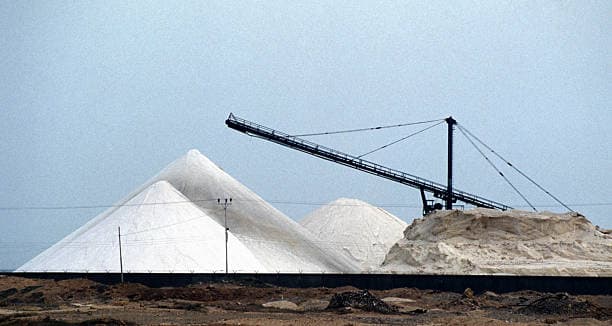
China’s Phosphate Export Halt Extends Trade Friction Into August
China’s ongoing ban on phosphate exports pushes global fertilizer markets into uncertainty, tightening DAP and MAP supplies, reshaping shipping routes, and forcing buyers to rethink procurement strategies. The ripple effect underscores the fragility of the agricultural input supply chain.

Germany's Chemical-Pharma Production Falls 2.8%: What the Q1 2026 Contraction Means for Global Buyers
Germany's seasonally adjusted chemical and pharmaceutical production declined 2.8% in the first quarter of 2026 and nearly 6% compared with the previous year. Procurement teams should assess how weaker European output may influence sourcing strategies, inventories and regional supply.

PFAS EPA Hearings One Week Away: Commercial Stakes for Specialty Chemical Formulators
The upcoming EPA PFAS hearings could reshape sourcing decisions for specialty chemical formulators across the United States. Procurement teams should prepare for changing compliance requirements, evolving customer expectations and a more complex regulatory landscape.

Ras Tanura Restart Fuels Q3 Export Surge for Saudi Chemical Industry
After months of disruption, the Ras Tanura terminal has officially resumed operations, marking a pivotal moment for Saudi Arabia’s chemical export landscape. Trading Economics data now shows Gulf chemical exports climbing to 75% of pre‑war levels, a clear signal that supply chains are tightening and demand is returning.
Don't miss out on our updates! Subscribe to our newsletter now
We're committed to your privacy. Tradeasia uses the information you provide to us to contact you about our relevant content, products, and services. For more information, check out our privacy policy.