Understanding Africa’s Chemical Import Landscape
Across the African continent, methanol, urea and a suite of basic industrial chemicals constitute the backbone of manufacturing, agriculture and energy sectors. Historically, these commodities have been sourced almost exclusively from countries in the Middle East, particularly Saudi Arabia and the UAE, whose vast reserves and export infrastructure have made them the primary suppliers to Africa.
- ~70% of methanol consumed in Africa is imported.
- ~65% of urea—essential for fertilizer—comes from the Gulf.
- Basic chemicals such as acetone, benzene and formaldehyde are largely purchased from Middle Eastern refineries.
While this arrangement has delivered cost advantages, it has also created a single point of failure that became starkly apparent in 2026.
The 2026 Strait of Hormuz Crisis
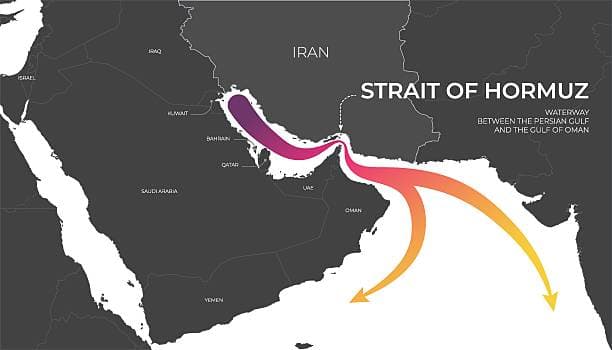
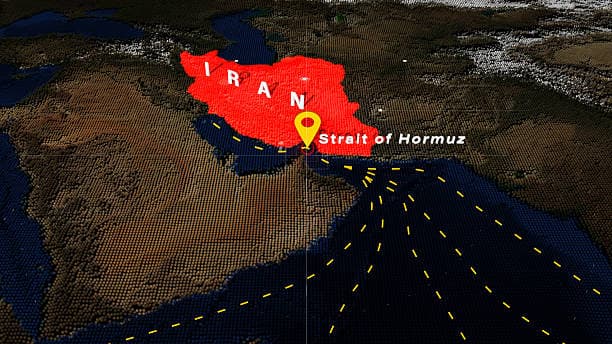
In early 2026, geopolitical tensions escalated around the Strait of Hormuz, a critical chokepoint for global oil and chemical shipments. Blockades, maritime skirmishes and sanctions on key exporting nations disrupted the flow of crude, liquefied natural gas (LNG) and derivative chemicals. As a result, African importers faced unprecedented shortages: methanol deliveries were delayed by weeks, urea shipments were cut in half, and the price of basic chemicals spiked by up to 35%.
The World Economic Forum (WEF) reported that these disruptions led to a measurable slowdown in industrial output across several African economies. Manufacturing sectors—particularly textiles, plastics, and agrochemicals—struggled to maintain production schedules, while fertilizer production plants faced raw material deficits that threatened food security.
Industrial Slowdowns: Key Figures from the WEF Report
- Kenya: 12% decline in fertilizer output; 8% drop in textile manufacturing.
- South Africa: 9% reduction in plastic production; 5% slowdown in steel manufacturing.
- Ethiopia: 15% decrease in agrochemical production; significant impact on maize yields.
These numbers illustrate the domino effect: a supply shock in one commodity can ripple through entire value chains, affecting employment, trade balances and national budgets.
Why the Dependency is Dangerous
Relying on a narrow supplier base exposes Africa to political, economic and logistical risks:
- Geopolitical volatility can halt supply abruptly.
- Price volatility in global markets erodes local competitiveness.
- Long lead times for import shipments create inventory black holes.
- Environmental regulations in exporting countries can change export policies, affecting supply certainty.
Moreover, the lack of domestic production capacity for methanol and urea means African countries cannot quickly pivot or scale up to meet local demand during crises.
Pathways to Mitigation and Resilience
Addressing this dependency requires a multifaceted strategy that combines short‑term relief with long‑term industrial development:
1. Diversifying Import Sources
Engage with alternative suppliers in the United States, China, Europe and even emerging producers in Latin America. Establishing bilateral trade agreements can reduce the risk of a single chokepoint.
2. Developing Regional Production Hubs
Invest in methanol synthesis plants powered by renewable energy or low‑cost natural gas. For urea, consider co‑located plants utilizing locally available feedstocks such as agricultural biomass or municipal waste gases.
3. Strengthening Supply Chain Infrastructure
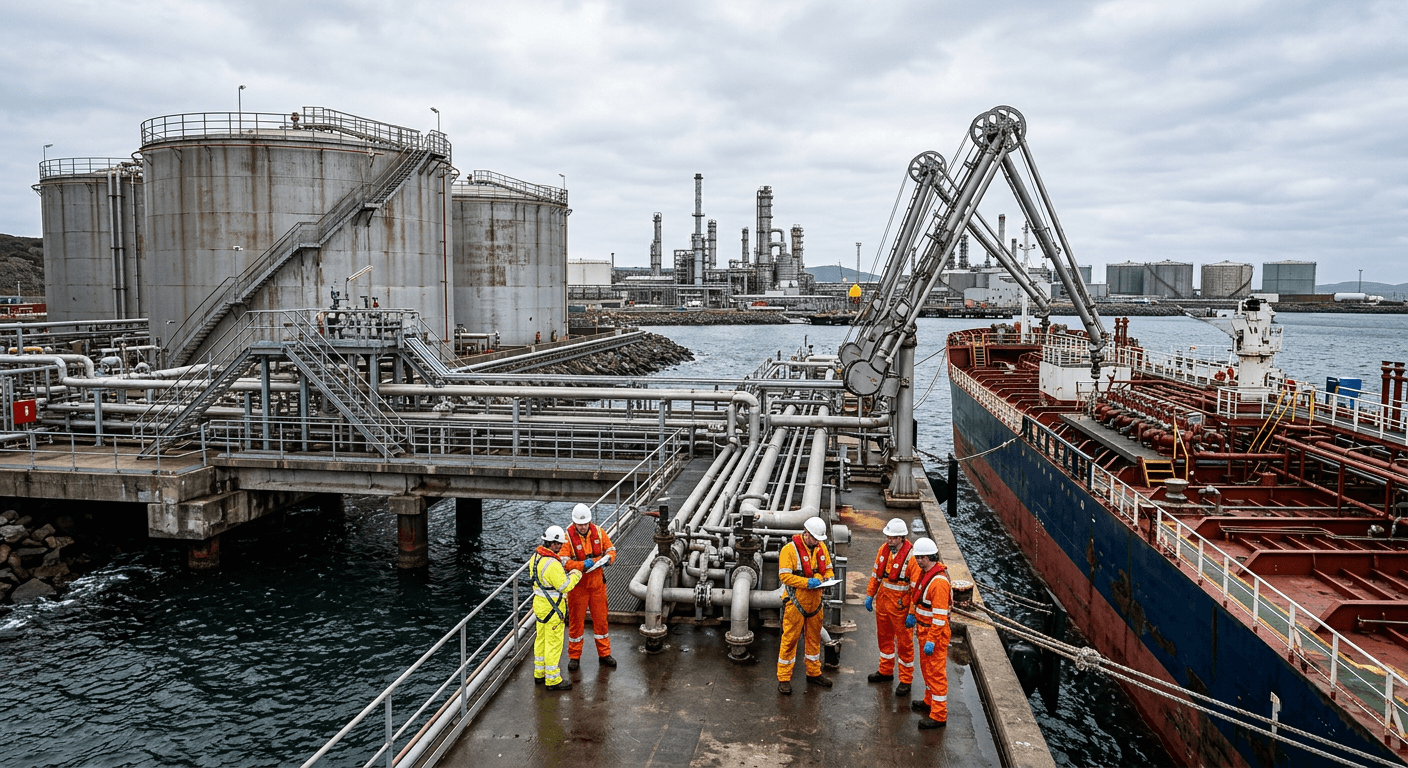
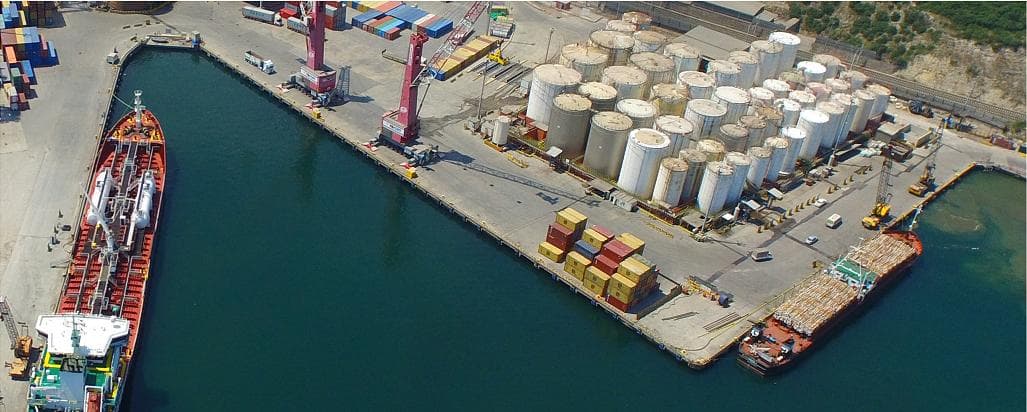
Upgrade port facilities, create strategic stockpiles for key chemicals, and improve logistics networks to shorten delivery times and reduce bottlenecks.
4. Leveraging Public‑Private Partnerships
Governments can provide tax incentives, low‑interest loans and technical assistance to attract foreign direct investment in chemical manufacturing and related sectors.
Case Study: Ethiopia’s Urea Production Expansion
Ethiopia has already begun to recognize the urgency of self‑sufficiency. In 2025, the government signed a memorandum of understanding with a Chinese conglomerate to establish a 2.5 million tonnes per year urea plant. The project is slated for completion in 2028 and will dramatically reduce the country’s import bill while creating thousands of jobs.
Benefits for the Region
- Reduced reliance on Middle Eastern imports.
- Lower fertilizer costs for farmers, boosting agricultural output.
- Catalyzed growth in downstream industries such as plastics and pharmaceuticals.
Conclusion: Building a Resilient Chemical Ecosystem
The 2026 Strait of Hormuz crisis laid bare the fragility of Africa’s chemical supply chain. By diversifying import sources, investing in regional production, and fortifying logistics infrastructure, African economies can transform vulnerability into opportunity. The path forward is clear: resilience, not dependency, must become the guiding principle of the continent’s industrial strategy.