
Mono Propylene Glycol (E1520) CAS: 57-55-6
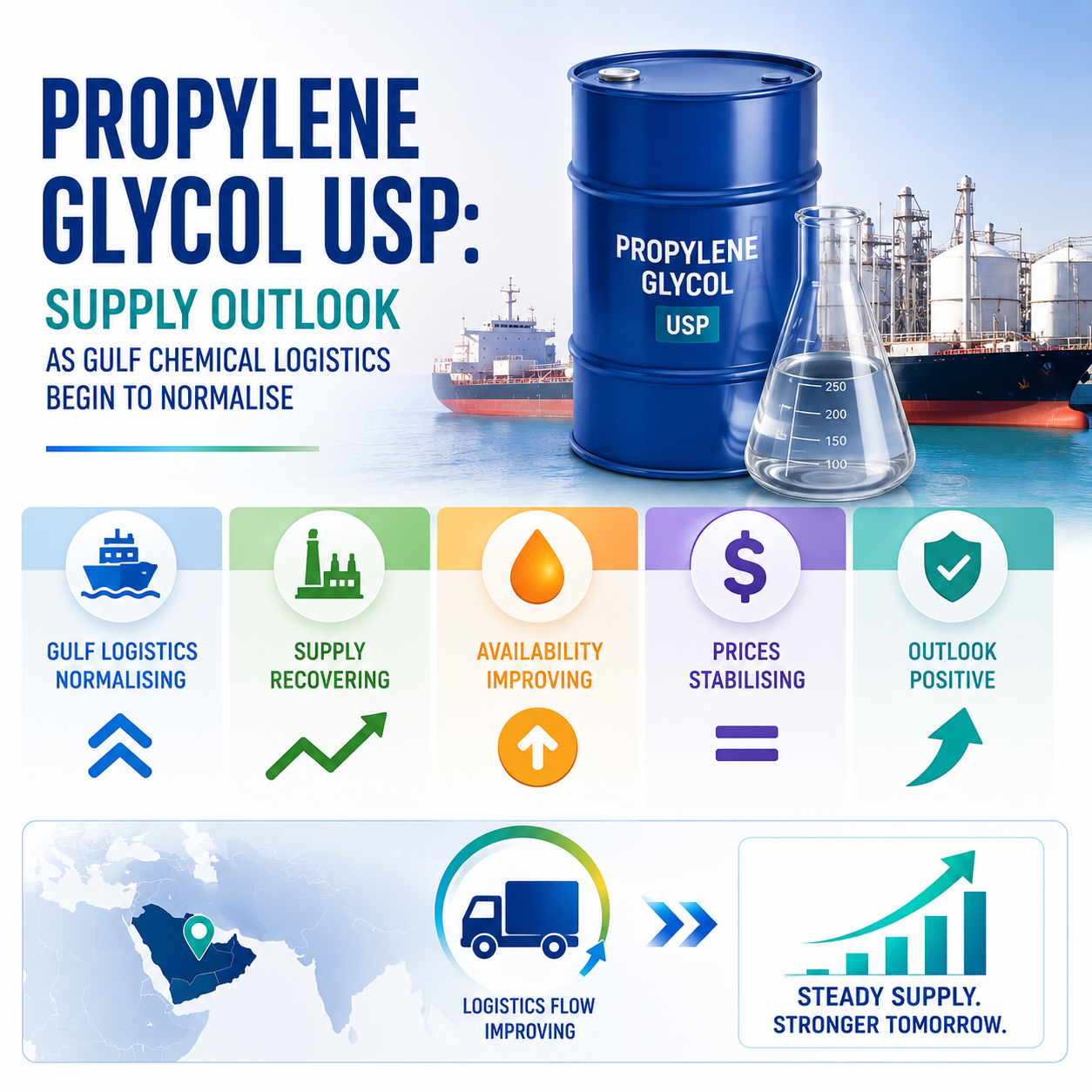
Mono Propylene Glycol (E1520) CAS: 57-55-6
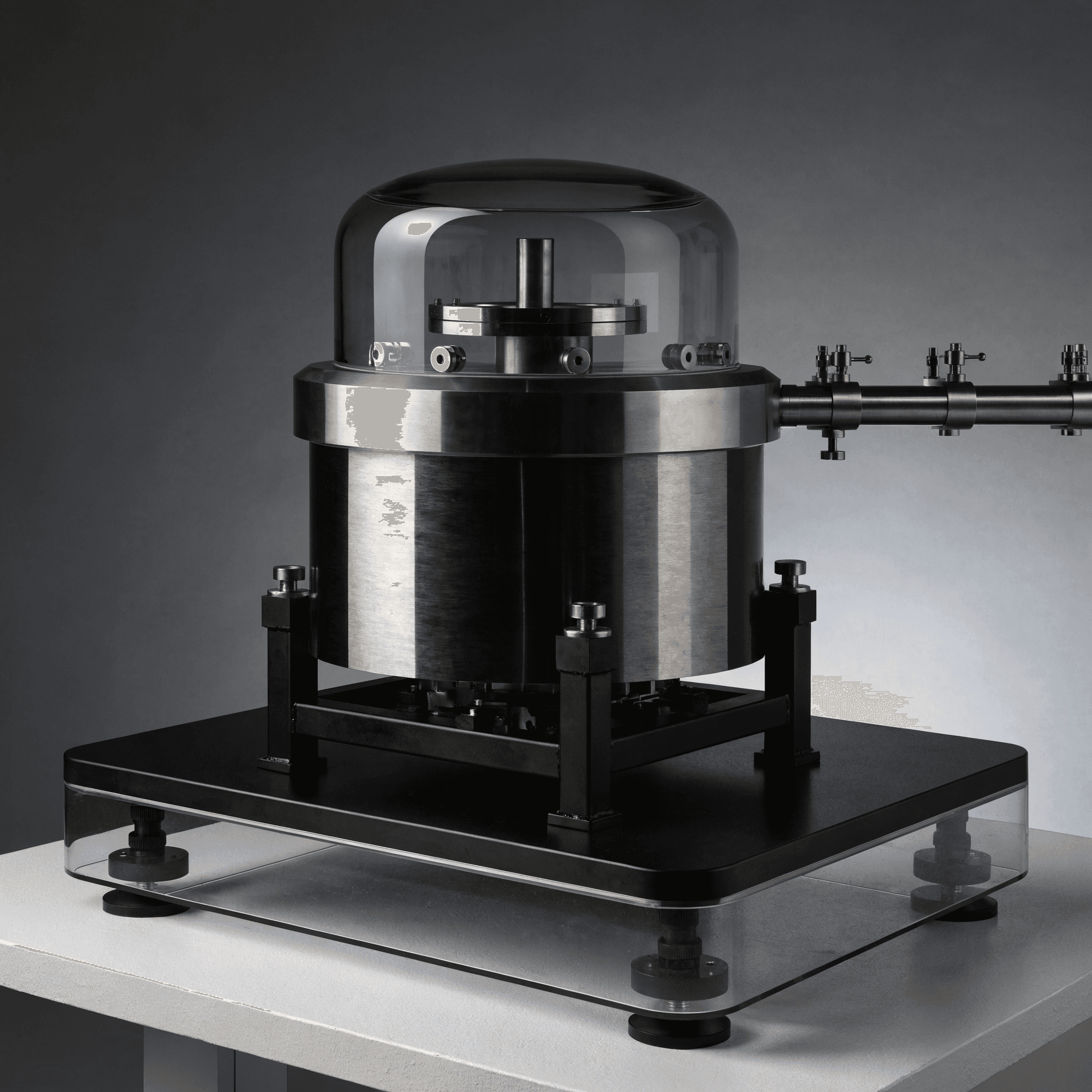
Helium supply constraints are creating new challenges for pharmaceutical laboratories that rely on NMR spectroscopy for quality control. Procurement teams should review helium inventories, supplier allocations and long term supply resilience before laboratory operations are affected.

The UK’s entry into the Hormuz escort coalition is set to slash war‑risk insurance costs and strengthen supply chains for Gulf‑origin chemical imports in H2 2026. By bolstering maritime security, Britain can ensure safer, more reliable logistics for its critical chemical sector.

Despite volatile monoethanolamine and ethylene oxide markets, taurine supply remains resilient. Chinese producers are offsetting feedstock pressures, offering stability for H2 2026. Supplement makers must reassess sourcing strategies to secure this dependable supply.
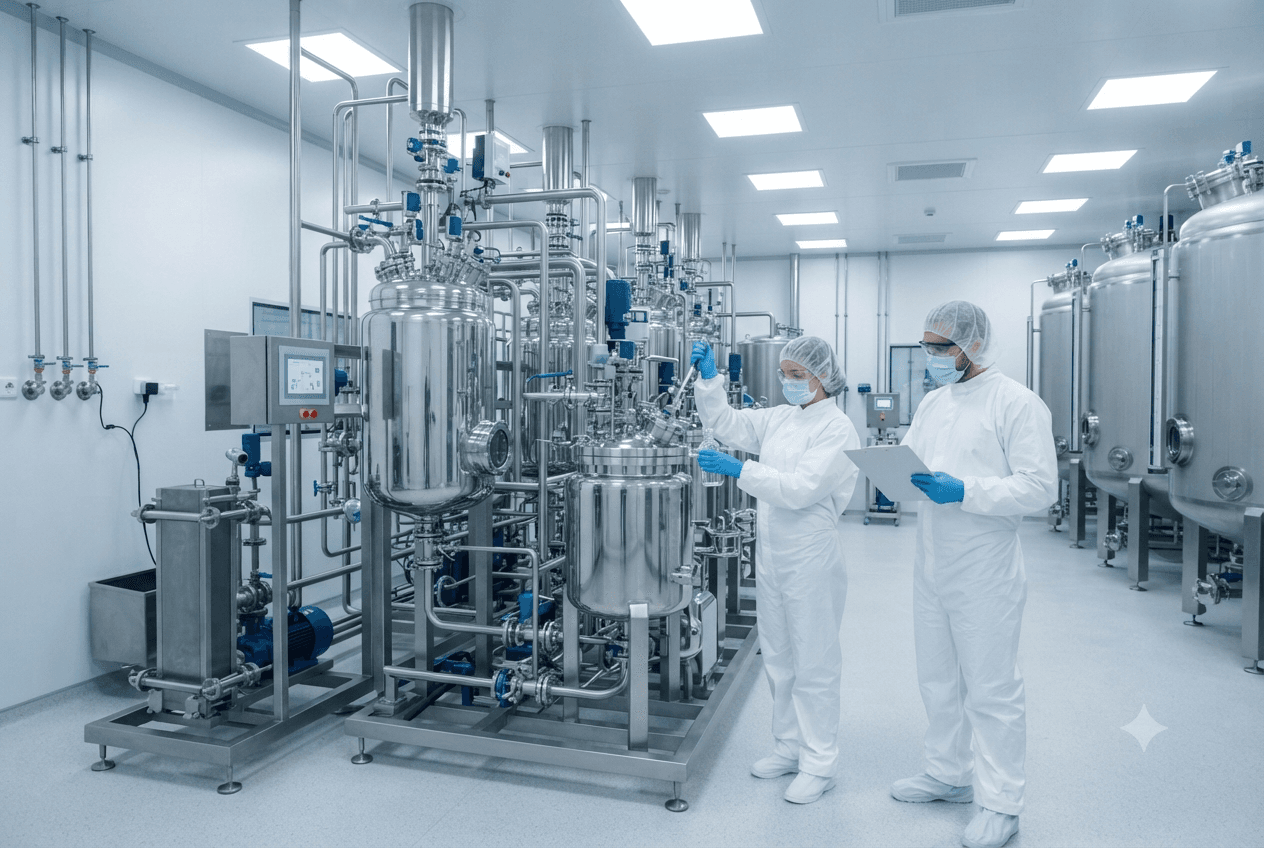
China’s summer porcine processing season is maintaining a healthy heparin supply, while freight costs are easing. Hospital pharmacies and procurement teams can now focus Q3 planning on logistics, documentation, and future supply trends. This guide outlines key priorities for a secure and cost‑effective heparin supply chain.

The gradual restart of Gulf sulfur exports is expected to improve global sulfur availability and ease sulfuric acid market tightness. Fertilizer, mining, and battery manufacturers should prepare for improving supply conditions during Q3 2026.
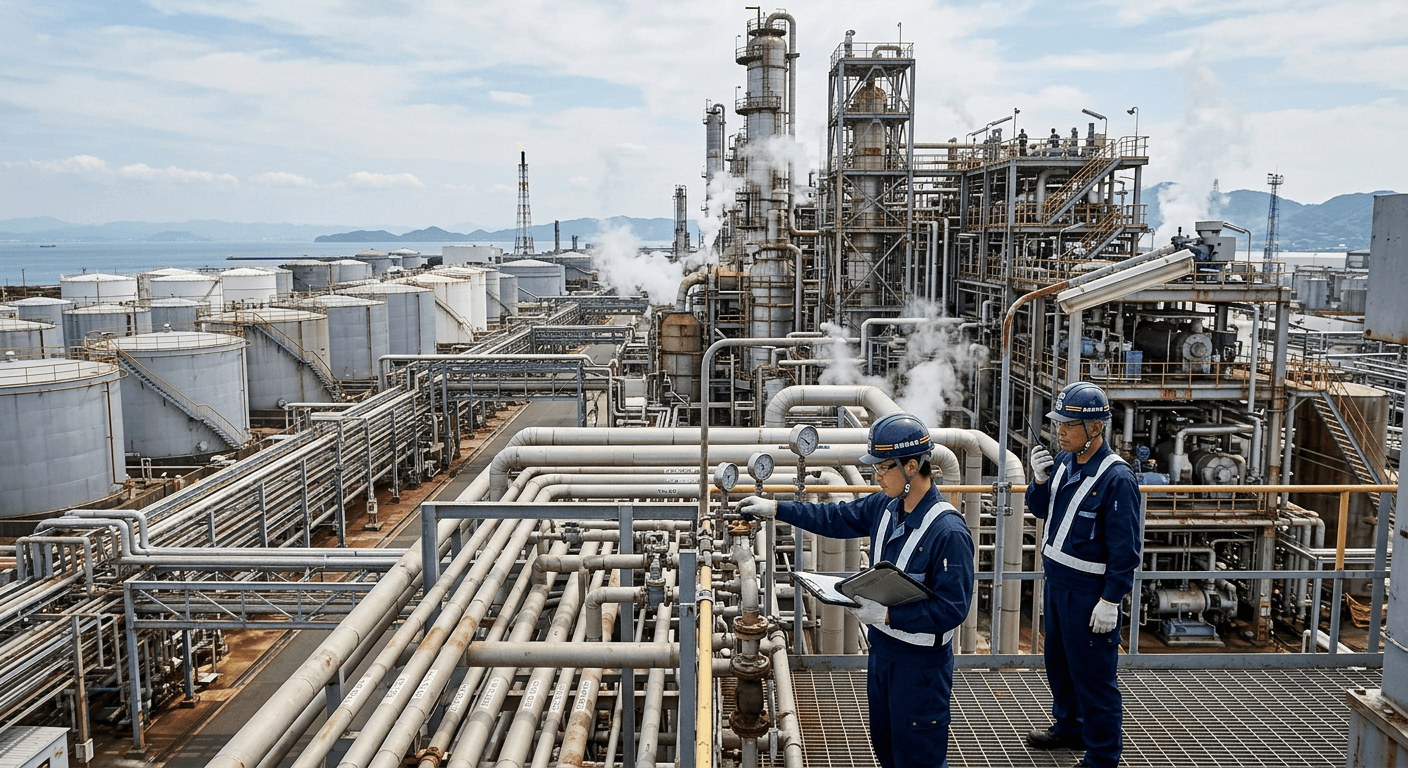
Methanol buyers are facing a critical Q3 planning challenge as Strait of Hormuz transit remains far below normal levels. Physical shipping data now matters more than diplomatic signals when assessing supply availability and pricing risk.
We're committed to your privacy. Tradeasia uses the information you provide to us to contact you about our relevant content, products, and services. For more information, check out our privacy policy.