
 According to Chief Financial Officer Shou Donghua, Sinopec, the largest refiner in the world by capacity, increased its refining profits in the first quarter by 17.5% year over year to $8.70 per barrel. With that increment, compared to the first three months of 2023, Sinopec Corp forecasts that China's demand for diesel and gasoline would increase in the second quarter.
Vice President Huang Wensheng informed the media and investors that China's apparent refined gasoline consumption had increased 6.7% year over year in the first quarter as the country's economy was rebounding after Beijing removed COVID regulations.
As per Reuters reports, Sinopec's first-quarter net income fell by 12% year over year as a result of lower global oil prices, according to company executives who spoke at the earnings briefing. However, improving refined margins, more gasoline sales, and higher natural gas prices helped to counterbalance this trend.
While domestic refined sales increased by 8.5% over the same period, Sinopec also profited from a lucrative export market, increasing fuel shipments by 112% year over year, according to Chief Financial Officer Shou. As Sinopec increased gasoline purchases from independent refiners by roughly 30%, Shou added, the company's domestic fuel sales increased in contrast to a 3% fall in its crude runs.
Due to western sanctions, China's independent refiners, often known as "teapots," have benefited in recent years from inexpensive crude oil from Iran, Venezuela, and more lately, Russia, oil dealers and analysts said.
Privately owned Jiangsu Shenghong Petrochemical and PetroChina's Guangdong Petrochemical, two recently opened refinery complexes, have added to the booming supplies of petrochemicals coming from mega-private refiner Zhejiang Petrochemical Corp and Hengli Petrochemical that began just a few years ago.
Vice President Huang stated without going into further detail that Sinopec, which also generates chemicals from coal and accounts for 10% of its chemicals sector, is moving forward with plans to invest in coal mines in Inner Mongolia, northern China.
References:
Chen AIzhu. 2023. Reuters: Sinopec sees China's fuel demand recovery gaining momentum. Retrieved from https://www.reuters.com/business/energy/sinopec-sees-chinas-q2-refined-fuel-demand-recovering-more-than-q1-2023-04-28/
Photo by freepik via https://www.freepik.com/
According to Chief Financial Officer Shou Donghua, Sinopec, the largest refiner in the world by capacity, increased its refining profits in the first quarter by 17.5% year over year to $8.70 per barrel. With that increment, compared to the first three months of 2023, Sinopec Corp forecasts that China's demand for diesel and gasoline would increase in the second quarter.
Vice President Huang Wensheng informed the media and investors that China's apparent refined gasoline consumption had increased 6.7% year over year in the first quarter as the country's economy was rebounding after Beijing removed COVID regulations.
As per Reuters reports, Sinopec's first-quarter net income fell by 12% year over year as a result of lower global oil prices, according to company executives who spoke at the earnings briefing. However, improving refined margins, more gasoline sales, and higher natural gas prices helped to counterbalance this trend.
While domestic refined sales increased by 8.5% over the same period, Sinopec also profited from a lucrative export market, increasing fuel shipments by 112% year over year, according to Chief Financial Officer Shou. As Sinopec increased gasoline purchases from independent refiners by roughly 30%, Shou added, the company's domestic fuel sales increased in contrast to a 3% fall in its crude runs.
Due to western sanctions, China's independent refiners, often known as "teapots," have benefited in recent years from inexpensive crude oil from Iran, Venezuela, and more lately, Russia, oil dealers and analysts said.
Privately owned Jiangsu Shenghong Petrochemical and PetroChina's Guangdong Petrochemical, two recently opened refinery complexes, have added to the booming supplies of petrochemicals coming from mega-private refiner Zhejiang Petrochemical Corp and Hengli Petrochemical that began just a few years ago.
Vice President Huang stated without going into further detail that Sinopec, which also generates chemicals from coal and accounts for 10% of its chemicals sector, is moving forward with plans to invest in coal mines in Inner Mongolia, northern China.
References:
Chen AIzhu. 2023. Reuters: Sinopec sees China's fuel demand recovery gaining momentum. Retrieved from https://www.reuters.com/business/energy/sinopec-sees-chinas-q2-refined-fuel-demand-recovering-more-than-q1-2023-04-28/
Photo by freepik via https://www.freepik.com/Sinopec Expects China's Fuel Demand Recovery to Pick Up Steam
 According to Chief Financial Officer Shou Donghua, Sinopec, the largest refiner in the world by capacity, increased its refining profits in the first quarter by 17.5% year over year to $8.70 per barrel. With that increment, compared to the first three months of 2023, Sinopec Corp forecasts that China's demand for diesel and gasoline would increase in the second quarter.
Vice President Huang Wensheng informed the media and investors that China's apparent refined gasoline consumption had increased 6.7% year over year in the first quarter as the country's economy was rebounding after Beijing removed COVID regulations.
As per Reuters reports, Sinopec's first-quarter net income fell by 12% year over year as a result of lower global oil prices, according to company executives who spoke at the earnings briefing. However, improving refined margins, more gasoline sales, and higher natural gas prices helped to counterbalance this trend.
While domestic refined sales increased by 8.5% over the same period, Sinopec also profited from a lucrative export market, increasing fuel shipments by 112% year over year, according to Chief Financial Officer Shou. As Sinopec increased gasoline purchases from independent refiners by roughly 30%, Shou added, the company's domestic fuel sales increased in contrast to a 3% fall in its crude runs.
Due to western sanctions, China's independent refiners, often known as "teapots," have benefited in recent years from inexpensive crude oil from Iran, Venezuela, and more lately, Russia, oil dealers and analysts said.
Privately owned Jiangsu Shenghong Petrochemical and PetroChina's Guangdong Petrochemical, two recently opened refinery complexes, have added to the booming supplies of petrochemicals coming from mega-private refiner Zhejiang Petrochemical Corp and Hengli Petrochemical that began just a few years ago.
Vice President Huang stated without going into further detail that Sinopec, which also generates chemicals from coal and accounts for 10% of its chemicals sector, is moving forward with plans to invest in coal mines in Inner Mongolia, northern China.
References:
Chen AIzhu. 2023. Reuters: Sinopec sees China's fuel demand recovery gaining momentum. Retrieved from https://www.reuters.com/business/energy/sinopec-sees-chinas-q2-refined-fuel-demand-recovering-more-than-q1-2023-04-28/
Photo by freepik via https://www.freepik.com/
According to Chief Financial Officer Shou Donghua, Sinopec, the largest refiner in the world by capacity, increased its refining profits in the first quarter by 17.5% year over year to $8.70 per barrel. With that increment, compared to the first three months of 2023, Sinopec Corp forecasts that China's demand for diesel and gasoline would increase in the second quarter.
Vice President Huang Wensheng informed the media and investors that China's apparent refined gasoline consumption had increased 6.7% year over year in the first quarter as the country's economy was rebounding after Beijing removed COVID regulations.
As per Reuters reports, Sinopec's first-quarter net income fell by 12% year over year as a result of lower global oil prices, according to company executives who spoke at the earnings briefing. However, improving refined margins, more gasoline sales, and higher natural gas prices helped to counterbalance this trend.
While domestic refined sales increased by 8.5% over the same period, Sinopec also profited from a lucrative export market, increasing fuel shipments by 112% year over year, according to Chief Financial Officer Shou. As Sinopec increased gasoline purchases from independent refiners by roughly 30%, Shou added, the company's domestic fuel sales increased in contrast to a 3% fall in its crude runs.
Due to western sanctions, China's independent refiners, often known as "teapots," have benefited in recent years from inexpensive crude oil from Iran, Venezuela, and more lately, Russia, oil dealers and analysts said.
Privately owned Jiangsu Shenghong Petrochemical and PetroChina's Guangdong Petrochemical, two recently opened refinery complexes, have added to the booming supplies of petrochemicals coming from mega-private refiner Zhejiang Petrochemical Corp and Hengli Petrochemical that began just a few years ago.
Vice President Huang stated without going into further detail that Sinopec, which also generates chemicals from coal and accounts for 10% of its chemicals sector, is moving forward with plans to invest in coal mines in Inner Mongolia, northern China.
References:
Chen AIzhu. 2023. Reuters: Sinopec sees China's fuel demand recovery gaining momentum. Retrieved from https://www.reuters.com/business/energy/sinopec-sees-chinas-q2-refined-fuel-demand-recovering-more-than-q1-2023-04-28/
Photo by freepik via https://www.freepik.com/Related Insights
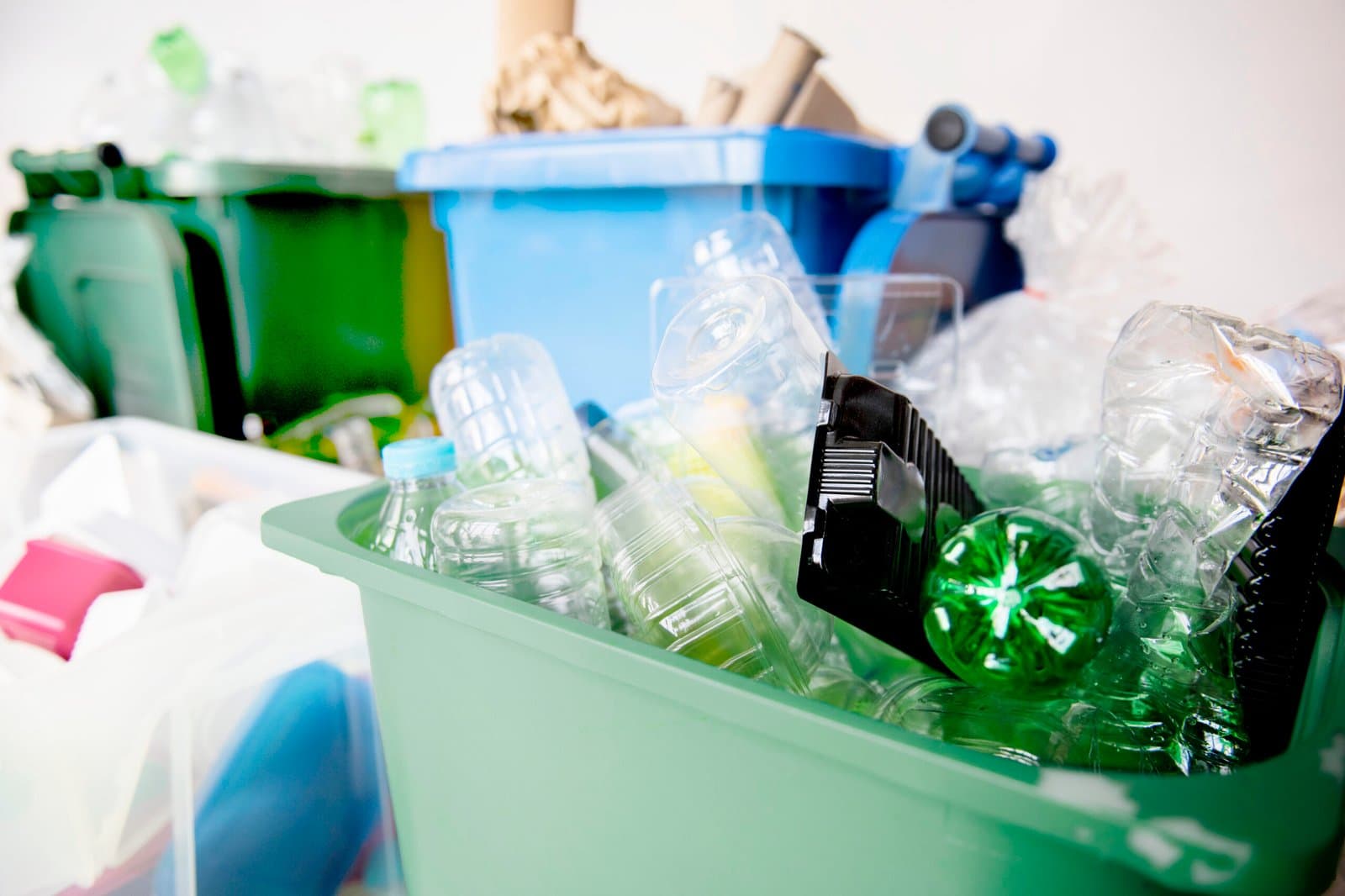
Bioplastics in the Spotlight: Brands Cautious Amid Biodiversity and Recycling Concerns
According to trade group European Bioplastics, the capacity to produce bioplastics globally is expected to increase from roughly 2.23 million tonnes in 2022 to about 6.3 million tonnes in 2027. Numerous firms are now considering bio-based solutions in response to consumer concerns about plastic poll

Isobornyl Acetate: From Pine Chemistry to Premium Natural Fragrance
Isobornyl acetate, a terpene ester derived from pine, is gaining traction as a renewable fragrance ingredient. This article explains its chemistry, production from camphene, and the market forces driving demand for natural aroma chemicals.

UAN Demand Surges in Europe as Subsidy Rules Shift Buyers Away from NPK
Europe’s fertilizer market is witnessing a sharp rise in UAN fertilizer demand as new subsidy policies redirect growers from traditional NPK blends. This shift is reshaping procurement strategies and regional supply chains, with significant implications for agricultural chemicals. The article explores the drivers, impacts, and future outlook for UAN in the continent.
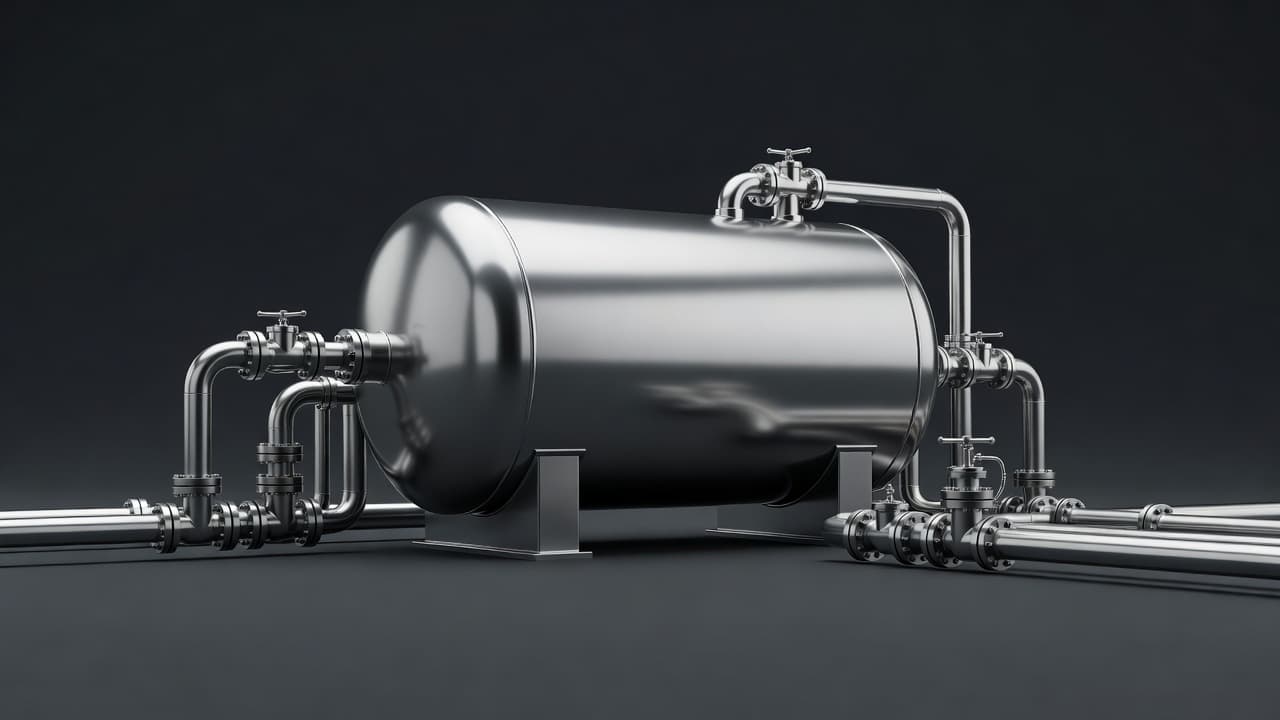
Acetic Acid and Ethyl Acetate Tick Up: Why July's Price Increases Matter for Petrochemical Buyers
Modest price increases for acetic acid and ethyl acetate in early July 2026 may signal changing market sentiment in China's petrochemical sector. Procurement teams should monitor these movements closely, as small upstream price adjustments often precede broader changes across downstream chemical markets.
Steam Cracker Economics: How China's High Utilization Is Squeezing European Petrochemical Producers
Chinese steam crackers operating near maximum capacity can spread fixed costs across larger output volumes and export surplus petrochemicals into global markets. European crackers averaging around 75% utilization face a widening cost disadvantage that could reshape polymer pricing, regional production and procurement strategies
Methanol-to-Olefins and the Coal Chemistry Carbon Question
China's methanol-to-olefins (MTO) production,which expanded during the Hormuz crisis to fill the Gulf chemical supply gap
Don't miss out on our updates! Subscribe to our newsletter now
We're committed to your privacy. Tradeasia uses the information you provide to us to contact you about our relevant content, products, and services. For more information, check out our privacy policy.