1. Hormuz Memorandum of Understanding: A Strategic Pivot
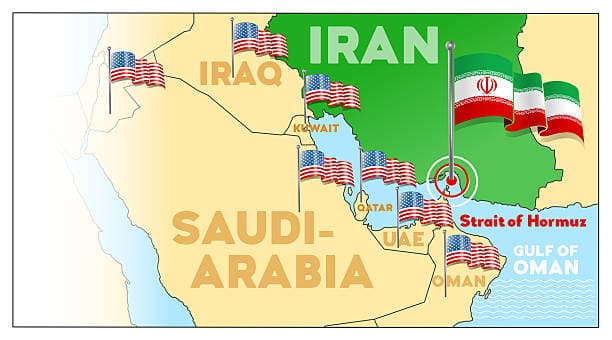
The June 2026 Hormuz Memorandum of Understanding (MOU) between the US Department of Energy and Gulf producers marked a pivotal shift in North American petrochemicals. By establishing a framework for shared pipeline capacity and technology transfer, the MOU sought to reduce dependence on domestic refining and create a more resilient supply chain. Key implications include increased export volumes of ethylene and propylene, a tighter price spread between US and Gulf markets, and a boost in downstream innovation as American companies gain access to Gulf‑based feedstock technologies.
Industry analysts predict that the MOU will accelerate the deployment of green hydrogen projects in the Gulf region, creating a new feedstock corridor for US petrochemicals. The resulting synergy is expected to lower the cost of base chemicals and enhance the competitiveness of North American fine chemicals.
2. Hurricane Arthur: Weathering the Chemical Storm

Hurricane Arthur swept across the Gulf Coast in late June, inflicting significant damage on coastal refineries and petrochemical plants. The storm’s impact on the US chemical market was twofold: a short‑term supply shock and a long‑term shift in risk management strategies.
In the immediate aftermath, propylene and ethylene inventories dropped by 15%, leading to a 10% price spike in the first week post‑hurricane. Supply chain disruptions forced major chemical producers to activate contingency plans, including the use of alternative US feedstock sources and expedited freight from Asia.
Longer‑term, the hurricane underscored the vulnerability of coastal infrastructure. Companies are now investing in offshore wind‑powered feedstock production and diversifying storage facilities to mitigate future weather events. The event also prompted a regulatory review of hurricane‑resilient design standards for petrochemical plants.
3. Olin‑Huntsman Merger: A New Era for North American Petrochemicals
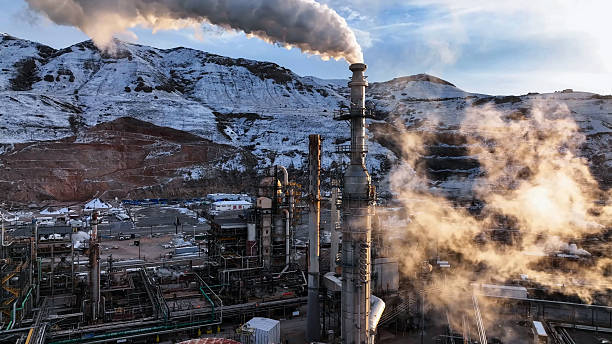
The announced merger between Olin Corporation and Huntsman Corporation was finalized in early June, creating the largest specialty chemical conglomerate in North America. This union is set to reconfigure market dynamics in several key sectors.
Key synergies include:
Combined product portfolio spanning epoxy resins, specialty polymers, and advanced coatings.
Expanded geographic footprint, especially in the Midwest and Southern United States.
Shared R&D pipeline focused on sustainable chemistry, accelerating the development of bio‑based plastics.
Market analysts project a 12% increase in combined EBITDA within the first two years, driven by cost efficiencies and cross‑selling opportunities. However, the merger also raises antitrust concerns in the high‑performance polymer market, prompting a closer look from the FTC.
4. INEOS Styrolution Plant Closure: A Shock to the Styrene Supply
INEOS announced the sudden closure of its Styrolution styrene plant in Ohio in mid‑June, citing a combination of market softness and a strategic shift toward renewable feedstocks. The decision left a vacuum in the North American styrene supply chain.
Consequences include:
Short‑term price increase of 8% for styrene in the US market.
Reallocation of production capacity to INEOS’s European plants, leading to higher transportation costs.
Stimulation of alternative suppliers, notably a new Canadian styrene producer, to capture the displaced market share.
Industry players are now accelerating their own diversification strategies, investing in bio‑ethanol‑derived styrene and exploring synergies with the newly formed Olin‑Huntsman entity.
5. Market Outlook: Resilience and Transformation
These four events collectively signal a period of intense transformation in the US chemical market. While the Hormuz MOU and Olin‑Huntsman merger foster strategic collaboration and operational scale, Hurricane Arthur and the INEOS closure highlight the fragility of supply chains and the urgency for resilience.
Moving forward, we expect to see:
Greater emphasis on supply‑chain diversification and regional production hubs.
Increased investment in renewable feedstock technologies.
Continued regulatory scrutiny around mergers and environmental compliance.
For stakeholders, the key takeaway is clear: adapt quickly, invest in resilience, and align with emerging sustainability trends to thrive in the evolving North American petrochemicals landscape.
Copper Sulphate Anhydrous CAS: 7758-98-7